
Real-World Retinal Treatment Patterns Reflect Evidence-Based Practice in PCV and Diabetic Retinopathy: Study
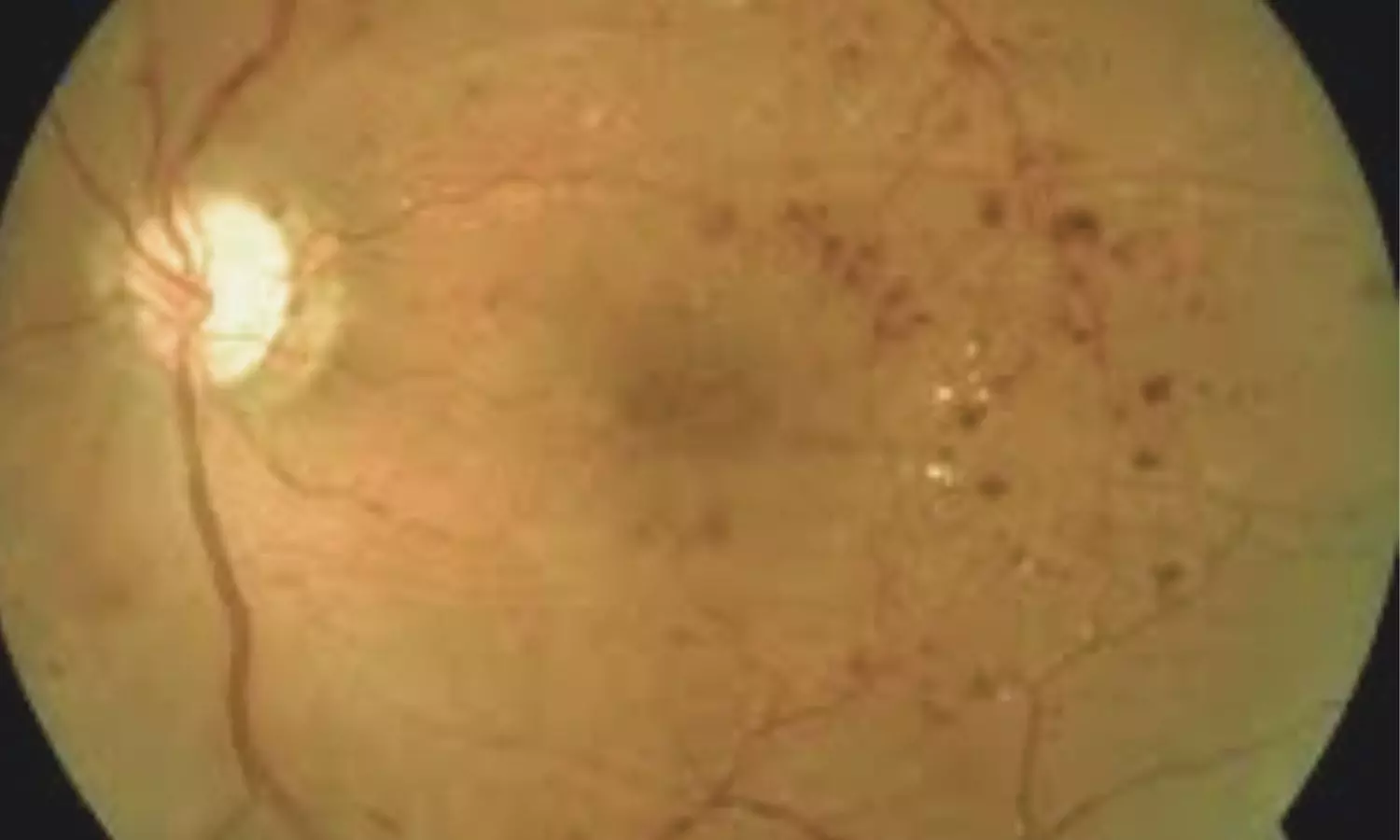


A recent cross-sectional survey published in the Indian Journal of Ophthalmology in October 2025 highlights distinct therapeutic shifts-favoring anti-VEGF monotherapy for polypoidal choroidal vasculopathy (PCV) and pan-retinal photocoagulation (PRP) for diabetic retinopathy (DR)-demonstrating how real-world clinical decisions actively align with established evidence.
Building on prior surveys, Sindal and colleagues aimed to document the 2024 real-world management preferences for polypoidal choroidal vasculopathy (PCV) and diabetic retinopathy (DR) among Indian vitreoretinal specialists, highlighting how clinical practices adapt to regional economic, demographic, and healthcare access constraints.
Therefore, the descriptive, cross-sectional survey evaluated the real-world diagnostic and therapeutic practices of 289 urban Indian vitreoretinal surgeons using a 62-item questionnaire. Conducted over six weeks in mid-2024, the study utilized descriptive statistics to establish baseline clinical practice frequencies without strict exclusion criteria.
Key Clinical Findings of the survey Includes:
• Diagnostic Modalities: Surveyors found that a significant majority of practitioners (44.85%) favor a comprehensive multimodal imaging approach—including fundus fluorescein angiography, indocyanine green angiography, and optical coherence tomography—for confirming PCV.
• PCV Medical Therapy: Researchers noted that 91.81% of surgeons report a lack of photodynamic therapy access, driving 84.7% to rely on anti-VEGF monotherapy, with 63.12% initiating treatment with aflibercept.
• Switching Protocols: Investigators observed that for suboptimal PCV responses, 57.45% of clinicians switch agents after three injections, with a strong comparative preference for brolucizumab (63.93%) over faricimab (23.93%).
• Diabetic Retinopathy Management: Authors highlighted that PRP remains the primary treatment for proliferative diabetic retinopathy (PDR) (80.29%), though 37.42% combine it with anti-VEGF for high-risk cases compared to just 9.68% for non-high-risk cases.
• Diabetic Macular Edema (DME) Preferences: Analysis reported that clinicians initiate center-involving DME therapy predominantly with ranibizumab biosimilars (40.79%) using a pro re nata regimen (53.21%), and 54.48% opt to switch to steroids if initial anti-VEGF doses yield suboptimal results.
The results suggest that contemporary Indian vitreoretinal practices closely align with established clinical evidence despite regional resource limitations, heavily favoring anti-VEGF monotherapy and revealing specific switching patterns like the 63.93% preference for brolucizumab in refractory PCV and the strong reliance on PRP for PDR.
Thus, the study concludes practitioners have a valuable benchmark for comparing their personal therapeutic strategies against prevailing national norms, potentially aiding in the optimization of localized, evidence-based patient care protocols.
While the low response rate of 16.71% may not fully capture the diverse perspectives of the entire professional society, improved voluntary participation in forthcoming surveys could further strengthen the foundation for developing robust, India-centric clinical trials and guidelines.
Reference
Sindal MD, Mahendrakar P, Kothari A, Tyagi M, Mishra D, Tagare S, et al. Management of polypoidal choroidal vasculopathy and diabetic retinopathy - practice patterns amongst vitreoretinal surgeons of India - A VRSI survey. Indian J Ophthalmol 2025;73:1581-9.
