
Retinopathy of Prematurity Increases Risk of Strabismus later on: Study
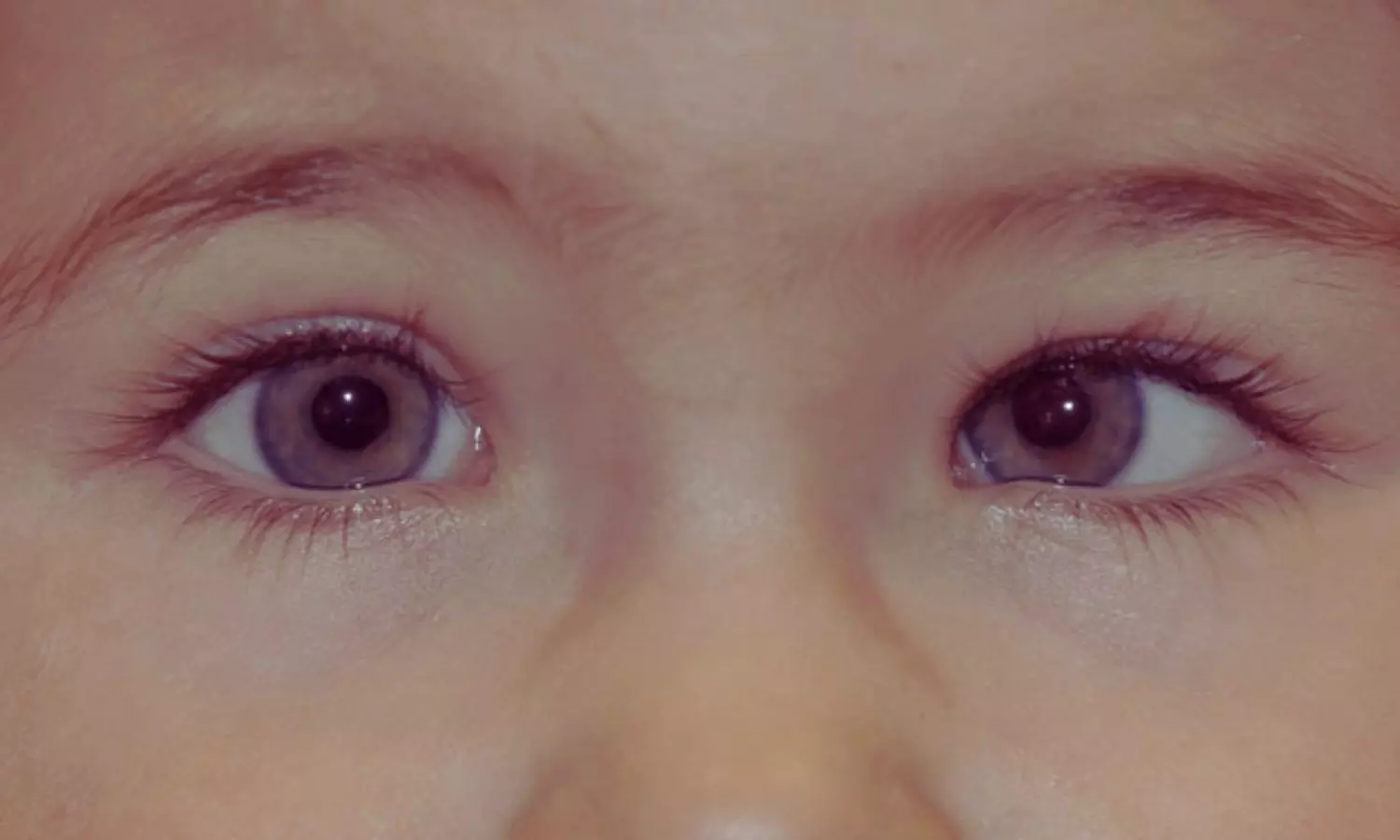


A new study published in the American Journal of Ophthalmology revealed that retinopathy of prematurity (ROP) is associated with a higher risk of developing strabismus later in life, with the cumulative incidence being even greater in children who require treatment for retinopathy of prematurity.
This research analyzed data from 27,720 patients aged 18 years or younger who had been diagnosed with ROP. Among them, 973 children received laser photocoagulation and/or intravitreal anti-vascular endothelial growth factor (VEGF) injections, while the remaining 26,747 did not undergo such interventions. The study aimed to estimate the cumulative incidence of strabismus over time and identify key risk factors associated with its development.
This investigation used Kaplan-Meier survival analysis calculated the cumulative incidence of strabismus at one, three, and five years following ROP diagnosis. These results consistently showed higher incidence rates among treated patients at every time point. By the 5-year mark, 34.78% of treated children had developed strabismus, when compared to 22.14% in the untreated group.
The most common subtype identified was esodeviation, a condition where one or both eyes turn inward. This subtype occurred in 22.35% of treated patients, nearly double the 11.87% observed in untreated children. These findings highlight a clear association between treatment exposure and increased likelihood of ocular misalignment.
By employing Cox proportional hazards models, and adjusting for demographic variables and other eye-related conditions, the ROP treatment emerged as an independent risk factor for strabismus, with an adjusted hazard ratio (aHR) of 1.58. This indicates a 58% higher risk when compared to untreated patients.
In addition to treatment exposure, other ocular comorbidities significantly elevated risk. Children with amblyopia had more than double the risk of developing strabismus (aHR 2.58). Also, nystagmus, characterized by involuntary eye movements, was associated with a 76% increased hazard (aHR 1.76).
While treatment for ROP is often necessary to prevent severe vision loss or blindness, the study illuminated the importance of long-term ophthalmologic monitoring. Early detection and management of strabismus can improve visual outcomes and quality of life for affected children.
Overall, the findings of this study emphasize that ROP itself is a strong predictor of future visual complications, and that interventions, while beneficial, may also contribute to additional risks.
Reference:
Almobayed, A., Dihan, Q., Cohen, A. K., Oke, I., Abdelnaem, S. E., Phillips, P. H., & Elhusseiny, A. M. (2026). Incidence of strabismus in children with retinopathy of prematurity. American Journal of Ophthalmology. https://doi.org/10.1016/j.ajo.2026.04.025

