
Tirzepatide Linked to Lower Glaucoma Risk in Type 2 Diabetes Compared to Other Weight Loss Drugs: Study
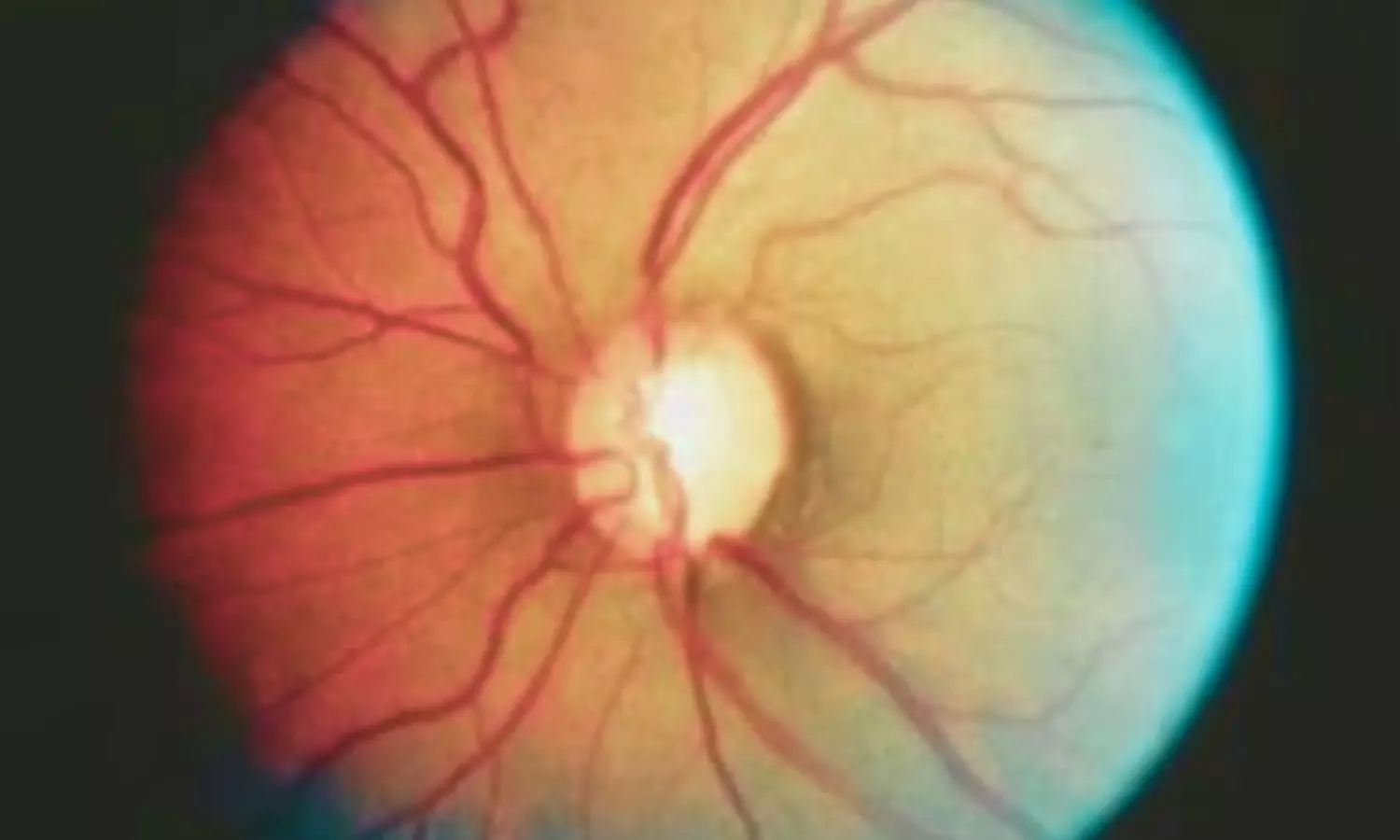


USA: A large retrospective cohort study found that the dual GIP/GLP-1 receptor agonist tirzepatide was associated with a significantly reduced risk of glaucoma compared with GLP-1 receptor agonists in patients with type 2 diabetes.
Previous research has also shown that GLP-1 receptor agonists used for obesity are linked to a lower glaucoma risk versus other weight-loss medications. Additionally, tirzepatide use was associated with a lower risk of ocular hypertension and a reduced need for glaucoma treatment, suggesting potential ocular protective effects beyond glycemic control.
Published in the American Journal of Ophthalmology, the study was led by Alexander T. Hong from the Keck School of Medicine of the University of Southern California, Los Angeles, along with colleagues. The researchers explored whether tirzepatide, a newer dual incretin therapy, confers additional eye-related benefits compared with selective GLP-1 receptor agonists among adults with type 2 diabetes mellitus (T2DM). While GLP-1 receptor agonists are already known for their glucose-lowering and weight-loss effects, emerging evidence has pointed to possible neuroprotective properties that may be relevant in glaucoma. However, the ocular impact of dual GIP/GLP-1 receptor agonists had not been well established.
For this purpose, the researchers conducted a retrospective clinical cohort study using data from a large nationwide electronic health records network, covering the period from June 2022 to May 2025. Adults with T2DM who newly initiated either tirzepatide or a selective GLP-1 receptor agonist were included. To minimize bias, individuals with prior exposure to either drug class, recent escalation of second-line antihyperglycemic therapy, a previous diagnosis of glaucoma, history of glaucoma surgery, or ocular trauma were excluded.
Data were drawn from 71 healthcare organizations across the United States. To ensure comparability between treatment groups, the investigators used 1:1 propensity score matching, balancing key variables such as age, sex, comorbid conditions, medication use, and frequency of ophthalmic visits. The primary outcomes assessed were the incidence of primary open-angle glaucoma (POAG), ocular hypertension (OHTN), and initiation of first-line glaucoma treatment, including medications or surgical interventions.
Key Findings:
- The analysis included 41,850 patients who initiated tirzepatide therapy and 147,828 patients who started selective GLP-1 receptor agonists.
- After 1:1 propensity score matching, 41,849 patients were included in each treatment group.
- Initiation of tirzepatide was associated with a substantially lower risk of developing primary open-angle glaucoma, with a risk ratio of 0.50 compared with selective GLP-1 receptor agonists.
- Tirzepatide use was also linked to a reduced risk of ocular hypertension, with a risk ratio of 0.59.
- The likelihood of requiring first-line glaucoma treatment was lower among patients receiving tirzepatide, with a risk ratio of 0.54.
- The reduced risks associated with tirzepatide persisted in patients who were concurrently treated with metformin or insulin.
- Sensitivity analyses limited to patients aged 60 years and older demonstrated similar risk reductions.
- Comparisons with individual GLP-1 receptor agonists, including semaglutide and dulaglutide, showed consistent protective trends with tirzepatide use.
The findings suggest that tirzepatide may provide additional ocular benefits beyond metabolic control in patients with type 2 diabetes mellitus (T2DM). While the observational nature of the study precludes causal conclusions, the results support further prospective research to clarify the potential role of tirzepatide in the prevention and management of glaucoma.
Reference:
Hong AT, Lin F, Baxter S, Weinreb RN. Tirzepatide is Associated with Reduced Risk of Primary Open-Angle Glaucoma and Ocular Hypertension in Patients with Type 2 Diabetes. Am J Ophthalmol. 2025 Dec 6:S0002-9394(25)00653-1. doi: 10.1016/j.ajo.2025.12.003. Epub ahead of print. PMID: 41360342.

Next Story