Rare Serpentine Soft-Tissue Calcifications Linked to Chronic Knee Pain, Case Report Finds
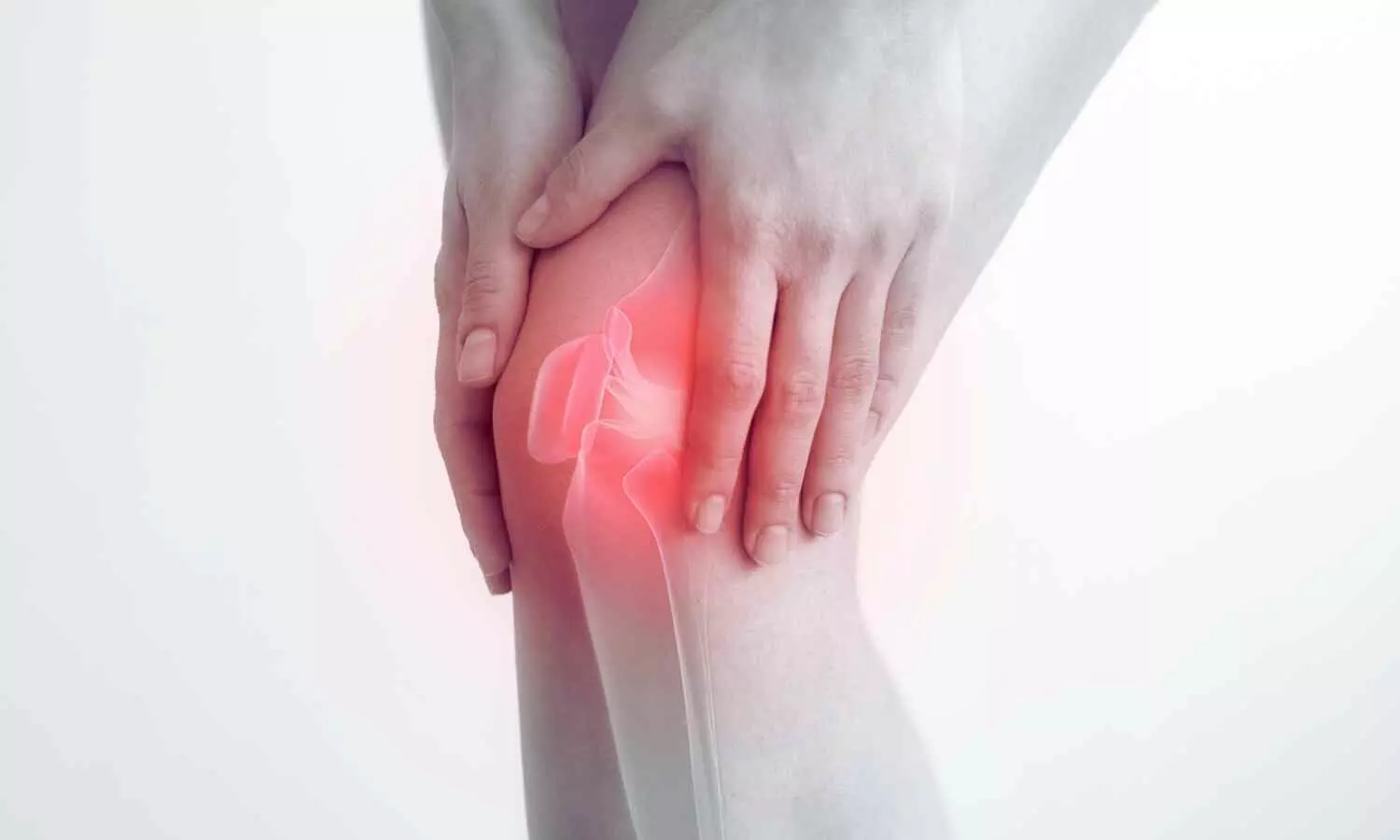


A recently published case report details the evaluation and interventional management of chronic severe knee pain associated with periarticular serpentine soft-tissue calcifications from dead Dracunculus medinensis.
The case report findings were published in September 2026 in the Indian Journal of Pain by T. K. Abins and a research team from the Department of Physical Medicine and Rehabilitation at All India Institute of Medical Sciences, Jodhpur, India.
A 66-year-old male evaluated at an outpatient rehabilitation service presented with a three-year history of constant, sharp left knee pain. The patient reported severe disability with a baseline Numeric Rating Scale score of 8/10 and a WOMAC score of 79, causing marked daily activity limitation and sleep disruption.
Physical examination of the left knee revealed joint-line swelling and tenderness without warmth or erythema. Range of motion was restricted and painful, though ligamentous and meniscal tests were negative. His right knee displayed a postsurgical fixed flexion deformity locked at zero degrees from an intervention one year prior for a similar condition. Left knee radiographs revealed extensive serpentine and amorphous soft-tissue calcifications surrounding the joint. Vascular Doppler studies were normal, and blood panels showed no inflammatory or metabolic abnormalities.
Initial pharmacological management using nonsteroidal anti-inflammatory drugs, tramadol, duloxetine, gabapentin, and buprenorphine patches yielded partial pain relief. Clinicians subsequently performed an ultrasound-guided genicular nerve block targeting the superomedial, superolateral, and inferomedial genicular nerves. Each site received three milliliters of injectate containing triamcinolone acetonide (80 mg), 2% lignocaine, and normal saline using an in-plane technique. The patient achieved substantial symptomatic relief. By month three, his NRS score improved to 3/10, and the WOMAC score reached 48, enabling resumption of daily activities with only occasional paracetamol.
Dracunculiasis occurs after ingesting water contaminated with larvae-infected copepods. When the nematode dies within subcutaneous tissue before emerging, it calcifies, producing characteristic serpiginous or chainmail radiologic patterns. Because Guinea worm disease is officially eradicated in India, discovering these calcified remnants is rare, presenting diagnostic challenges near major joints.
Implications for Clinicians
Clinicians encountering unusual periarticular calcifications should consider historical parasitic endemicity alongside metabolic or degenerative etiologies. While calcified worms may represent incidental findings coexisting with osteoarthritis, periarticular deposits can induce pain, stiffness, and altered gait mechanics. Image-guided genicular nerve blocks combined with targeted physical rehabilitation offer effective non-surgical options for managing complex chronic joint pain and restoring function.
Reference
Abins, T. K., Gonnade, N. M., Gaur, R., Sheenam, N., Ghosh, A., & Udainiya, H. (2026). Chronic knee pain with serpentine calcifications: Diagnostic and rehabilitative challenges. Indian Journal of Pain, 0(0), 1–5.