Contemporary bicruciate-retaining TKA implants demonstrate favorable survivorship: Study
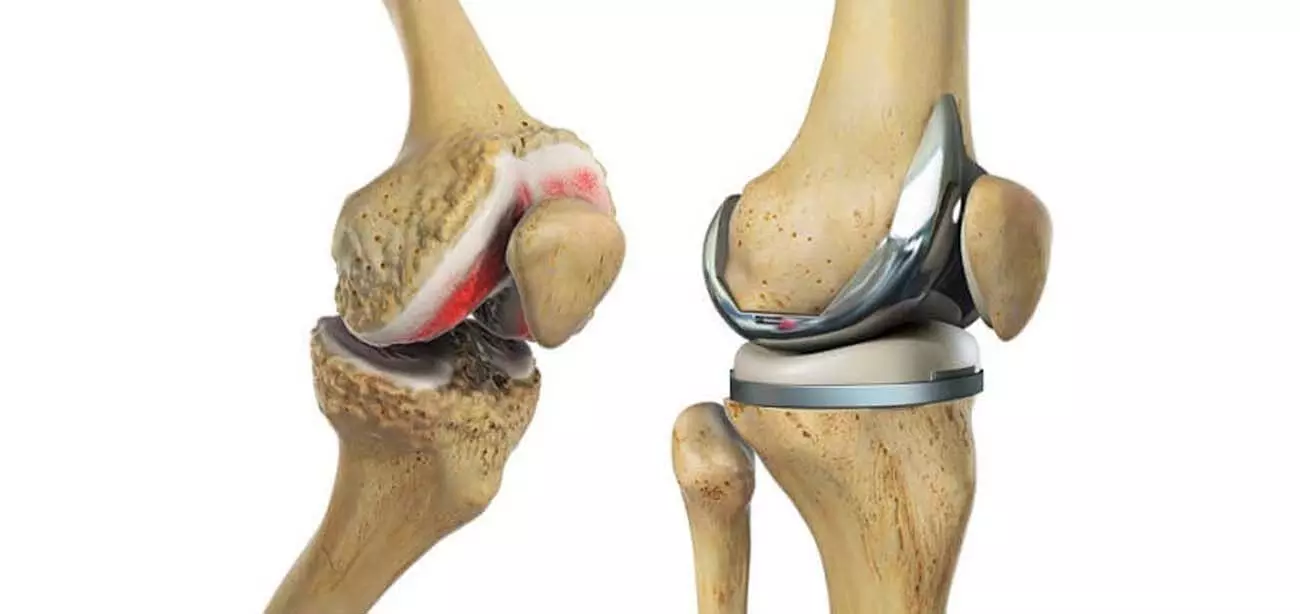


Bicruciate-retaining (BCR) total knee arthroplasty (TKA) was developed to better replicate native knee bio¬mechanics by preserving both cruciate ligaments. First-generation BCR implants were notorious for technical challenges and suboptimal survivorship. However, advancements in implant design and surgical techniques have renewed interest in second-generation BCR TKA systems. Varun Kompala et al conducted a study aimed to evaluate the overall survivorship of contemporary (second-generation) BCR primary TKA implants. The article has been published in ‘European Journal of Orthopaedic Surgery & Traumatology.’
A systematic review of PubMed, Scopus, Embase, Web of Science, and Cochrane databases was conducted from inception to January 3, 2025. Inclusion criteria were studies that reported the number of revisions following second-gener¬ation BCR TKA. We excluded case reports, review articles, and studies that evaluated first-generation BCR TKA. A total of 1046 articles were retrieved; ultimately, 13 were included. Events per person-years pooled analysis was performed to estimate the incidence of all-cause revision, adjusting for duration of follow-up. Heterogeneity was measured using I2 test. A p-value < 0.05 was considered statistically significant.
The key findings of the study were:
• A total of 1,087 BCR TKA implants among 13 studies were analyzed.
• The mean follow-up was 2.6 years.
• A total of 62 (5.7%) knees were revised.
• The overall pooled rate of all-cause revision was 1.6 per 100 person-years (95% confidence interval [CI] 0.009–0.023) Heterogeneity among the analyzed studies was significant (I2 = 75.5%, p < 0.001).
The authors concluded - “Contemporary BCR TKA implants showed improved survivorship compared to historical reports, with a low pooled all-cause revision rate of 1.6 per 100 person-years, corresponding to a 1.6% chance of revision per year of follow-up. Despite the associated heterogeneity, these findings suggest that modern BCR designs offer durable outcomes and sup¬port their continued use. Further long-term comparative data are needed to better define their role relative to modern knee implants.”
For further details on the article refer to:
Contemporary bicruciate-retaining total knee arthroplasty implants demonstrate favorable survivorship: a systematic review and meta-analysis of 1576 knees
Varun Kompala et al
European Journal of Orthopaedic Surgery & Traumatology (2026) 36:268
https://doi.org/10.1007/s00590-026-04811-0