
Exercise averts knee osteoarthritis in young people, suggests study
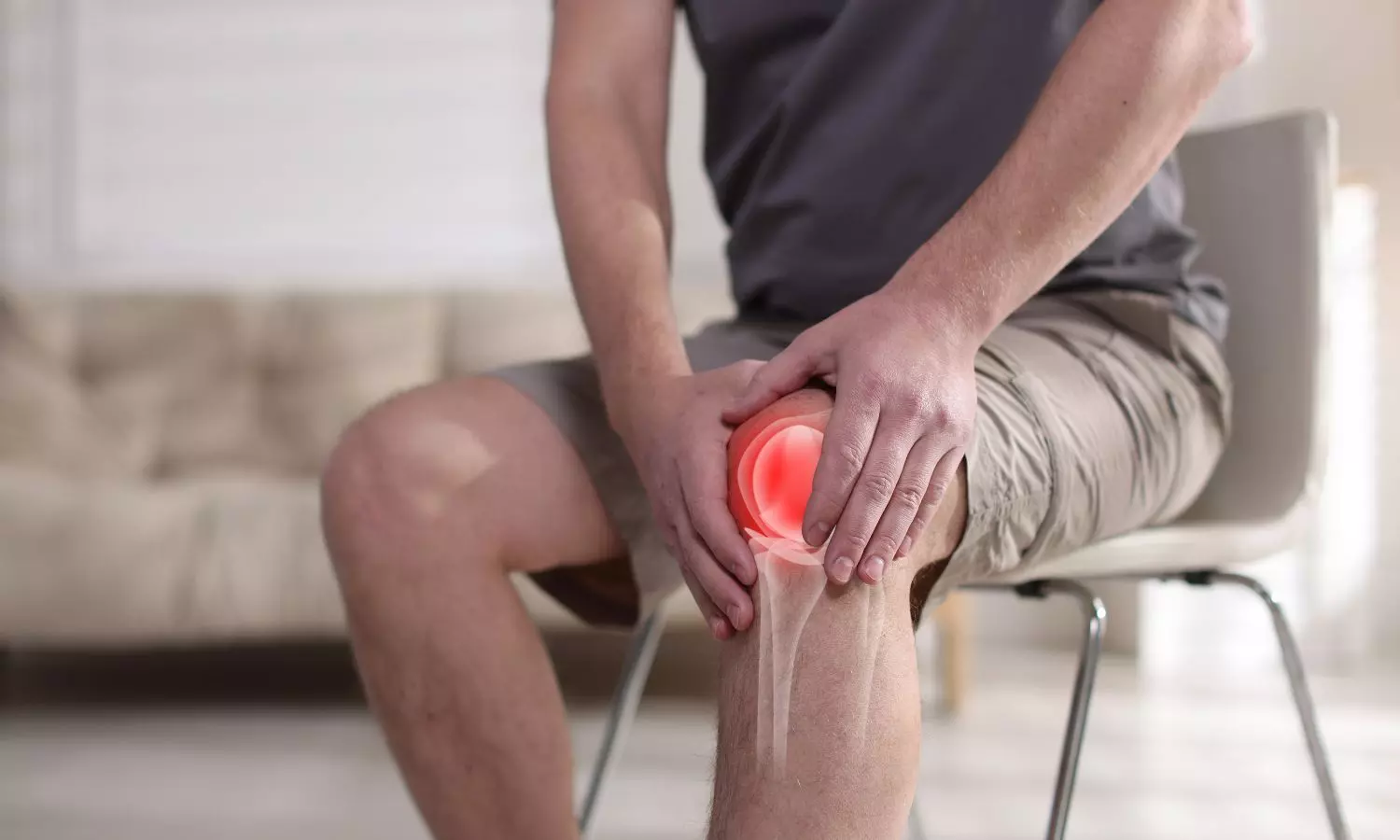


Exercise-based rehabilitation and education can reduce the chance of knee osteoarthritis following ACL reconstruction in people aged under 40, as well as improve pain and quality of life, a study by La Trobe University researchers has found.
Around half of people are dissatisfied with their knee health two years after ACL reconstruction, and within a decade half develop early-onset knee osteoarthritis before the age of 40.
Clinical guidelines recommend exercise-based rehabilitation with education after an ACL operation, but patients are often provided with care that does not follow these guidelines. Many patients and healthcare providers also believe that exercise is harmful for knee cartilage.
The La Trobe SUPER-Knee clinical trial was the first to assess the effectiveness of exercise-based rehabilitation and education beyond nine months of an ACL operation – when a full recovery is expected but often not achieved.
Researchers from the La Trobe Sport and Exercise Medicine Research Centre
studied 184 people between the ages of 18 and 40 with persistent knee problems between one and three years after ACL reconstruction, comparing a progressive exercise therapy program to a single education session.
The results have now been published in the Annals of Internal Medicine.
Lead researcher Associate Professor Adam Culvenor said that when participants followed the four-month physiotherapist-led exercise program they showed improvements in outcomes and muscle strength without any deterioration of knee cartilage and early osteoarthritis.
“Currently we don't have any high-quality evidence for what treatments should be offered to young people at risk of early-onset knee osteoarthritis. Our SUPER-Knee study changes this, and addresses a globally recognised research priority,” Associate Professor Culvenor said.
“Our study showed physiotherapist-supervised exercise-therapy and education is safe and should be recommended to improve the knee health of young people at high risk of early-onset osteoarthritis following ACL reconstruction.
“The evidence generated by the SUPER-Knee trial can be used to update international clinical practice guidelines for rehabilitation following ACL reconstruction and could be a lifeline for young people struggling after serious knee injuries.
“The intervention is ready to be used by local health professionals with minimal specialised equipment or staff training.”
Ruby Cumming tore her ACL when she was 24, playing AFL in 2019. She had a reconstruction within six weeks as she wanted to get back on the footy field as quickly as possible. However, rehabilitation has lasted years and she never returned to footy.
“I thought if I had the surgery and did the rehab I’d be able to get back to normal. After surgery impacted my entire life – not just footy – I changed my outlook and decided I wanted to avoid re-injuring my knee ever again so haven’t played contact sport since,” Ruby said.
“Experiencing regular pain, not being able to walk, getting public transport to work and living independently all became really challenging for me.”
Ruby said she was diligent with her rehab, visiting a physio regularly and doing her exercises daily and then weekly, but she continued to experience daily pain for 3-4 years at varying levels.
“When I joined the SUPER-Knee program and did weekly physio-supervised rehab, this improved my pain significantly,” Ruby said.
Reference:
Adam G. Culvenor, Andrea M. Bruder, Thomas J. West, Christian J. Barton, Ewa M. Roos, Edwin H. Oei, Steven M. McPhail, Richard B. Souza, Jusuk Lee, Brooke E. Patterson, Michael A. Girdwood, Jamon L. Couch, Mark J. Scholes, Kay M. Crossley, Exercise Therapy and Education for Young Adults With Persistent Knee Problems After Anterior Cruciate Ligament Reconstruction: A Randomized Clinical Trial, Journal Annals of Internal Medicine, DOI 10.7326/ANNALS-26-02460
