
Extended Bisphosphonate Therapy May Reduce Vertebral Fractures but Raise Atypical Fracture Risk: Study
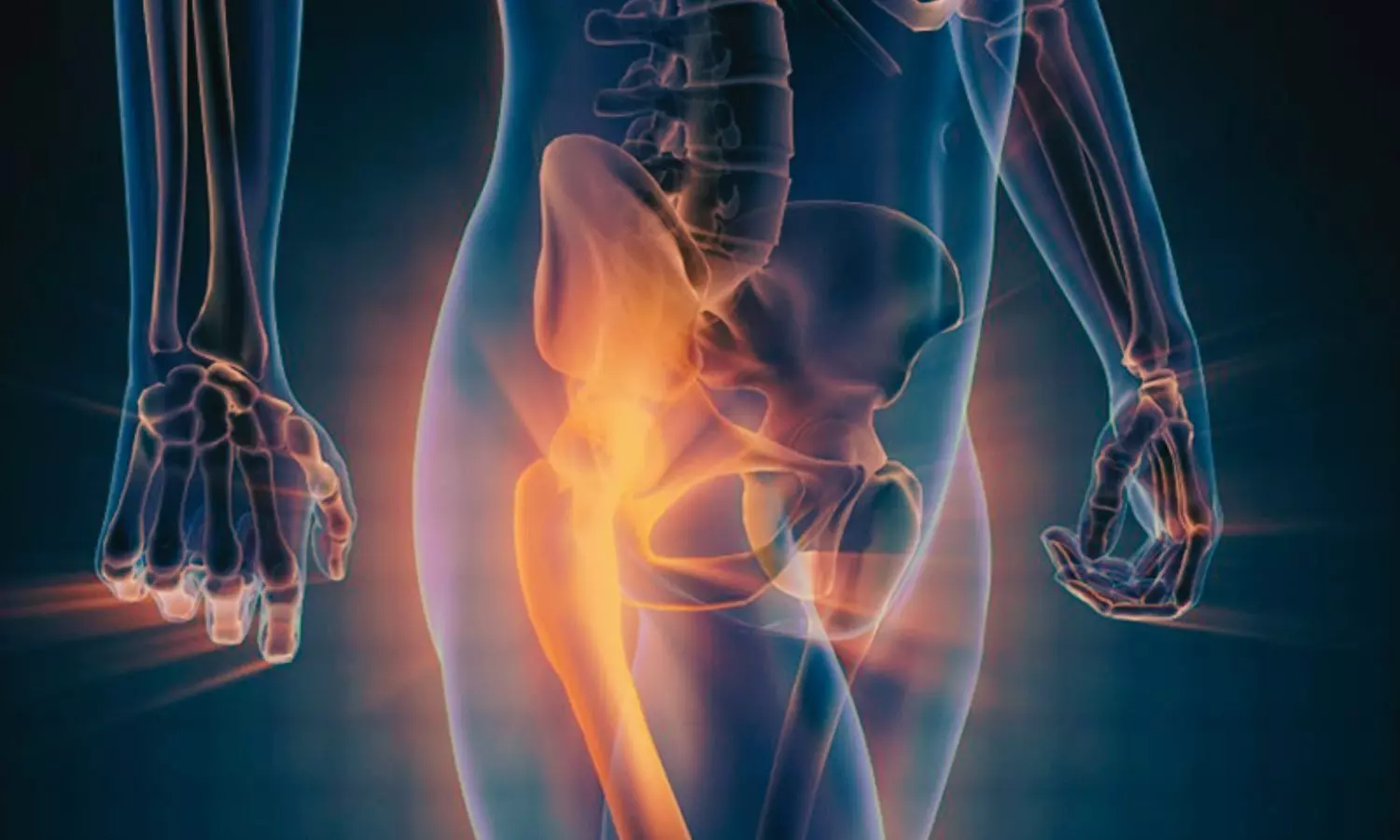


A new study published in the Journal of Clinical Endocrinology & Metabolism showed that extended bisphosphonate therapy may increase the risk of atypical fractures while decreasing vertebral fractures.
Reduced bone density and a high risk of fractures are the hallmarks of osteoporosis, a common metabolic bone disease that disproportionately affects older women and significantly increases mortality and morbidity. For postmenopausal women who are at high risk, oral bisphosphonates (oBP) are the recommended first-line treatment because they successfully reduce bone turnover and fracture risk over the first 5 years of treatment.
The therapeutic advantages of continuing oBP medication after five years are yet unknown, though. Long-term usage is associated with uncommon but serious side effects, such as atypical femur fractures and osteonecrosis of the jaw, even though it may further reduce osteoporotic fractures. The results of earlier systematic evaluations provide little assistance for primary care because they covered heterogeneous demographics and intravenous therapies. This systematic analysis assesses the particular health outcomes and adverse events linked to prolonging oBP medication beyond five years in postmenopausal women in order to answer this therapeutic conundrum.
From the beginning until March 15, 2024, a thorough search of Medline, EMBASE, and CINAHL was carried out. Included were observational and interventional studies that were published in English. Data extraction, screening, and quality evaluation using the NIH Quality Appraisal tool were carried out. The review was registered on PROSPERO and adhered to PRISMA criteria. Meta-analysis was not possible due to high heterogeneity.
Three of the eleven studies (four controlled trials and seven observational studies) were graded as excellent quality, seven as average, and one as poor. BMD at the hip (3/3 studies), femoral neck (3/3 studies), and lumbar spine (5/5 studies) increased when oBP treatment was continued for more than five years. Long-term use of oBP increased the incidence of atypical fractures (3/3 trials) and incomplete atypical femoral fractures (1/1 study) but decreased the risk of symptomatic vertebral fractures (1/6 studies).
ONJ was not evaluated or reported in any of the included trials. Overall, findings of prolonged oBP usage in postmenopausal women cannot be definitively drawn due to significant heterogeneity and a lack of high-quality research. Extended therapy may decrease vertebral fractures and enhance bone density, but it may potentially increase atypical fractures.
Source:
Oka, P., Moosa, A. S., Koh, E. Y. L., & Ng, C. J. (2026). Health and adverse events associated with extended oral bisphosphonates among postmenopausal women: a systematic review. The Journal of Clinical Endocrinology and Metabolism, 111(5), e1226–e1238. https://doi.org/10.1210/clinem/dgag057

