
Football & Handball Build Stronger Bones compared to Walking and weight training, suggests study
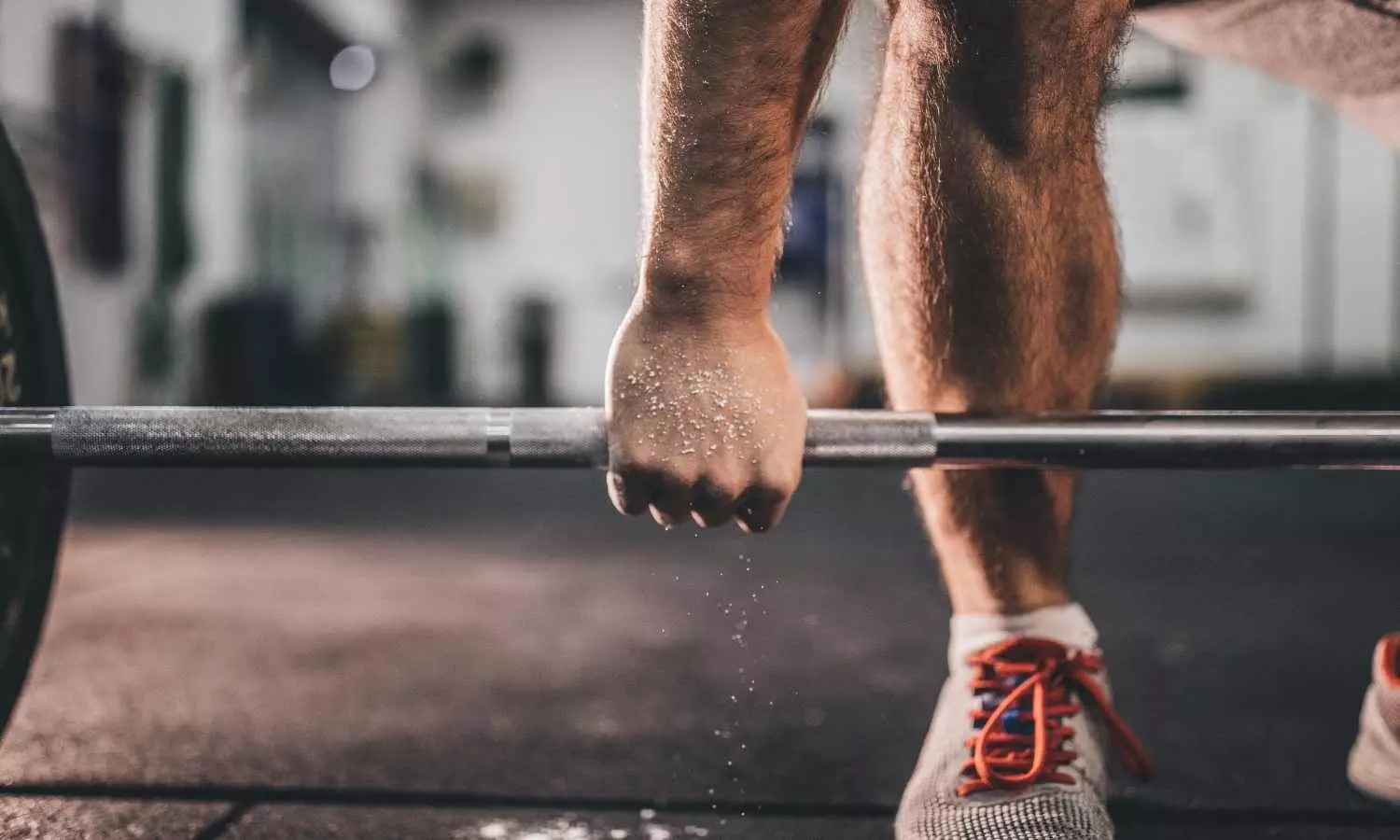


When it comes to maintaining healthy bones, how intensely we exercise may matter more than how much we exercise, according to researchers at Semmelweis University. Their study, published in Sports Medicine - Open, found that bone formation was stimulated most effectively by activities involving explosive movements, rapid changes of direction, and turning. The findings could help improve exercise programs designed to maintain bone health and prevent osteoporosis.
Researchers at Semmelweis University analyzed the results of 24 clinical studies involving a total of 1,238 healthy adult participants. Rather than tracking changes in bone mineral density, the studies measured substances in the blood that indicate whether the body is actively building new bone tissue. These so-called biomarkers can reflect the effects of exercise within just a few weeks, providing feedback much earlier than bone density measurements.
“What makes our study unique is that we examined not only the type of exercise – whether endurance, resistance, or combined training – but also exercise intensity, frequency, and duration. Our goal was to determine which forms of exercise stimulate bone metabolism most effectively and which appear to be less beneficial from this perspective,” said dr. Péter Ferdinandy, Vice-Rector for Science and Innovations at Semmelweis University and senior author of the study.
The most effective activities were high-intensity sports involving frequent explosive movements, rapid changes of direction, and turning. Recreational football and handball, for example, were associated with increases of up to 45–46 percent in the levels of substances linked to bone formation. In contrast, walking, step aerobics, and traditional gym-based resistance exercises were generally less effective.
What should you keep in mind?
It is important not to start a high-intensity exercise program suddenly or without proper preparation. This is particularly true for people with cardiovascular, musculoskeletal, or metabolic diseases, as well as those living with osteoporosis. Before beginning a new type of exercise or a more demanding training program, they should consult their treating physician, general practitioner, or a sports medicine specialist to ensure that the activity and its intensity are appropriate for their individual health status.
“The most surprising finding was that resistance training did not produce a significant effect on markers of bone metabolism, even though several professional guidelines recommend this type of exercise for maintaining bone health. Likewise, low- or moderate-intensity endurance exercise, such as walking or jogging, showed no meaningful long-term effect,” explained Viktória Barna, PhD student at Semmelweis University and first author of the study.
This, of course, does not mean that walking or lower-intensity physical activity is without health benefits. However, if the goal is to keep bones strong and healthy for as long as possible, they appear to require a greater mechanical stimulus.
“According to the World Health Organization, regular physical activity offers numerous health benefits. However, our findings suggest that low-intensity exercise alone is not sufficient to stimulate bone metabolism. High-intensity exercise may trigger early beneficial changes in bone formation, potentially helping to slow bone loss and support healthy ageing,” summarized dr. Nóra Sydó, clinical specialist and co-author of the study.
According to the researchers, these findings could contribute to the development of evidence-based exercise programs aimed at maintaining bone health and preventing osteoporosis.
Reference: Barna, V., Makolli, A., Benyó, Z.P. et al. High-Intensity Training Increases Osteocalcin Levels: A Meta-Analysis of Effects of Exercise on Bone Remodeling biomarkers. Sports Med - Open 12, 60 (2026). https://doi.org/10.1186/s40798-026-00986-2
