Multi-Joint Osteoarthritis Linked to Faster Frailty Progression: Study
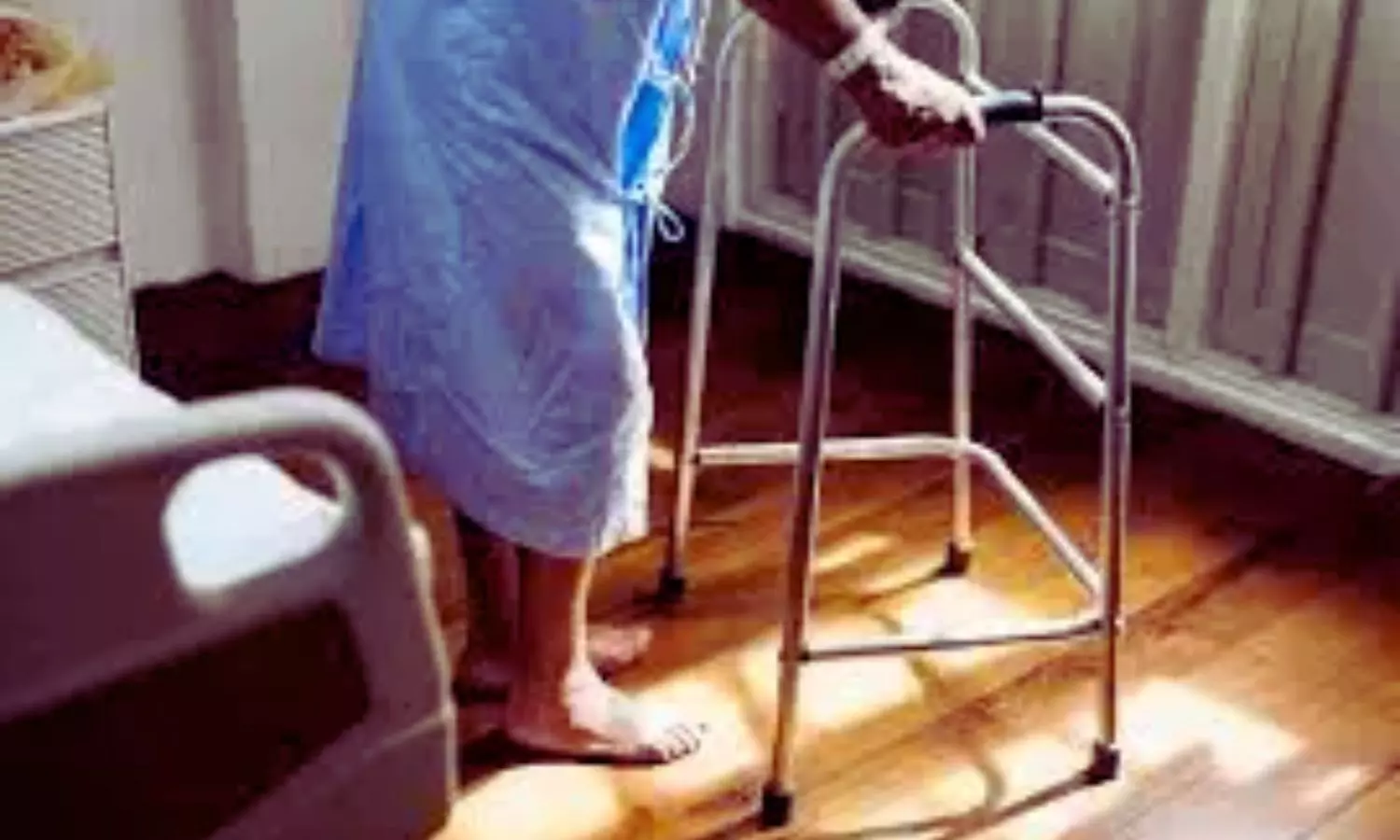


A new study published in the journal of Arthritis Care & Research found that people with osteoarthritis (OA) affecting two or more joints experienced greater and faster progression of frailty over 6 years than those with single-joint or no OA. The association persisted even after accounting for physical activity and other factors, suggesting that multi-joint OA may contribute to frailty through mechanisms beyond reduced physical activity.
This study tested whether the number of joints affected by osteoarthritis modified changes in frailty over time. Frailty was measured using a validated frailty index at baseline, three years, and 6 years of follow-up. Osteoarthritis status was based on self-reported physician diagnoses involving the knee, hip, or hand. Participants were grouped according to whether they had no OA, OA in one joint, two joints, or all three joints at baseline.
The analysis included 13,757 participants with an average baseline frailty index of 0.16. Among them, 10,193 had no osteoarthritis, 2,535 had OA in one joint, 806 had two affected joints, and 223 had OA in all 3 joints. Statistical models adjusted for key demographic and lifestyle factors, including age, sex, body mass index, marital status, sitting time, and physical activity levels, to examine how OA influenced frailty trajectories.
At the start of the study, frailty levels increased progressively with the number of joints affected by OA. Individuals without OA had the lowest frailty scores, followed by those with one, two, and three affected joints, demonstrating a clear dose-response relationship.
Over the 6-year follow-up, multi-joint OA was significantly associated with steeper increases in frailty. Participants with no OA experienced the slowest rate of frailty progression, while those with one affected joint showed greater increases. Frailty progressed even more rapidly among individuals with OA affecting two or three joints. Overall, having OA in multiple joints was associated with a significant increase in frailty progression when compared to those without OA.
This study found that participants with OA involving two or more joints experienced a 40% to 47% faster rate of frailty progression than individuals without osteoarthritis. They also declined more rapidly than participants with OA affecting only a single joint, highlighting the cumulative impact of multi-joint disease on health deterioration.
The findings highlight the need for clinicians to recognize multi-joint osteoarthritis as more than a musculoskeletal disorder. Overall, widespread OA may serve as an early indicator of heightened vulnerability to accumulating health deficits and functional decline.
Source:
Halliwell, C., Moyer, R., & O’Brien, M. W. (2026). Individuals with multi-joint osteoarthritis demonstrate larger longitudinal declines in frailty: Data from the Canadian Longitudinal Study on Aging. Arthritis Care & Research, acr.80139. https://doi.org/10.1002/acr.80139