One-stage bilateral THR remains safe option after appropriate patient selection: study
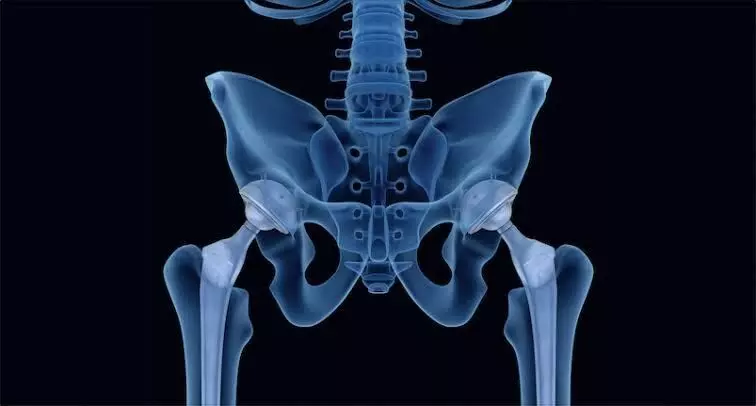


One-stage bilateral total hip replacement (THR) offers numerous benefits including reduced anesthetic exposure, single hospital admission, shorter hospital stay, quicker rehabilitation, and lower expenses.
Rajendra Kumar Kanojia et al conducted a retrospective study to evaluate the functional and radiological outcomes following this procedure. The study included 30 patients undergoing one-stage bilateral THR via posterior approach by a single specialist surgeon. Data on ASA grade, hospital stay, preoperative and postoperative hemoglobin levels, and complications were collected from hospital records. The radiological outcomes were evaluated from the postoperative radiographs. Functional outcomes were assessed using modified Harris Hip Score, SF-36 score for quality of- life, and the Self-Administered Patient Satisfaction Scale for Primary Hip and Knee Arthroplasty.
The key findings were:
• In this cohort, 83% were ASA 1, 70% were male, with mean age was 45.1 years.
• Mean surgical duration was 175 min, with mean intra-operative blood loss was 834 ml.
• Mean length of stay was 9.9 days.
• Pre-operative hemoglobin averaged 12.45 g/dl, dropping by 2.15 g/dl postoperatively.
• No major complications were observed.
• Radiologically, mean values for Hip Off set, leg length, acetabular anteversion and inclination were within acceptable ranges.
• Statistically significant improvements were observed in Modified HHS (preoperative: 31.0 ± 16.2, postoperative: 86.7 ± 7.2).
• Patient satisfaction was high, with 86.66% reporting being very satisfied with surgery outcome.
“In conclusion, this retrospective study supports the use of single-stage simultaneous bilateral THR as a viable option for patients experiencing disabling bilateral hip pain, particularly those classified as ASA 1 or 2. This study found that mortality, complications, and implant survival rates were unaffected by this approach, suggesting a low complication rate in a high-volume institution. Radiological analysis indicated that LLD after simultaneous bilateral THR was comparable to literature standards for THR, and functional outcomes were not adversely affected by differences in hip off set, acetabular inclination, or acetabular anteversion within normal ranges. This study suggests that one-stage bilateral THR is a safe option for appropriately selected patients with bilateral hip disease, provided skilled surgical expertise is ensured. However, further research with larger patient cohorts is needed to assess the benefits of this approach in specific patient populations, such as obese individuals or those with multiple co-morbid conditions.” the authors commented.
Further reading:
Functional and Radiological Outcomes of Single-Stage Bilateral Total Hip Replacement: A Retrospective Observational Study Rajendra Kumar Kanojia et al Indian Journal of Orthopaedics (2025) 59:1180–1186 https://doi.org/10.1007/s43465-025-01369-7