Vancomycin and Linezolid Retain High Efficacy Against Pediatric Musculoskeletal Pathogens, Suggests Review
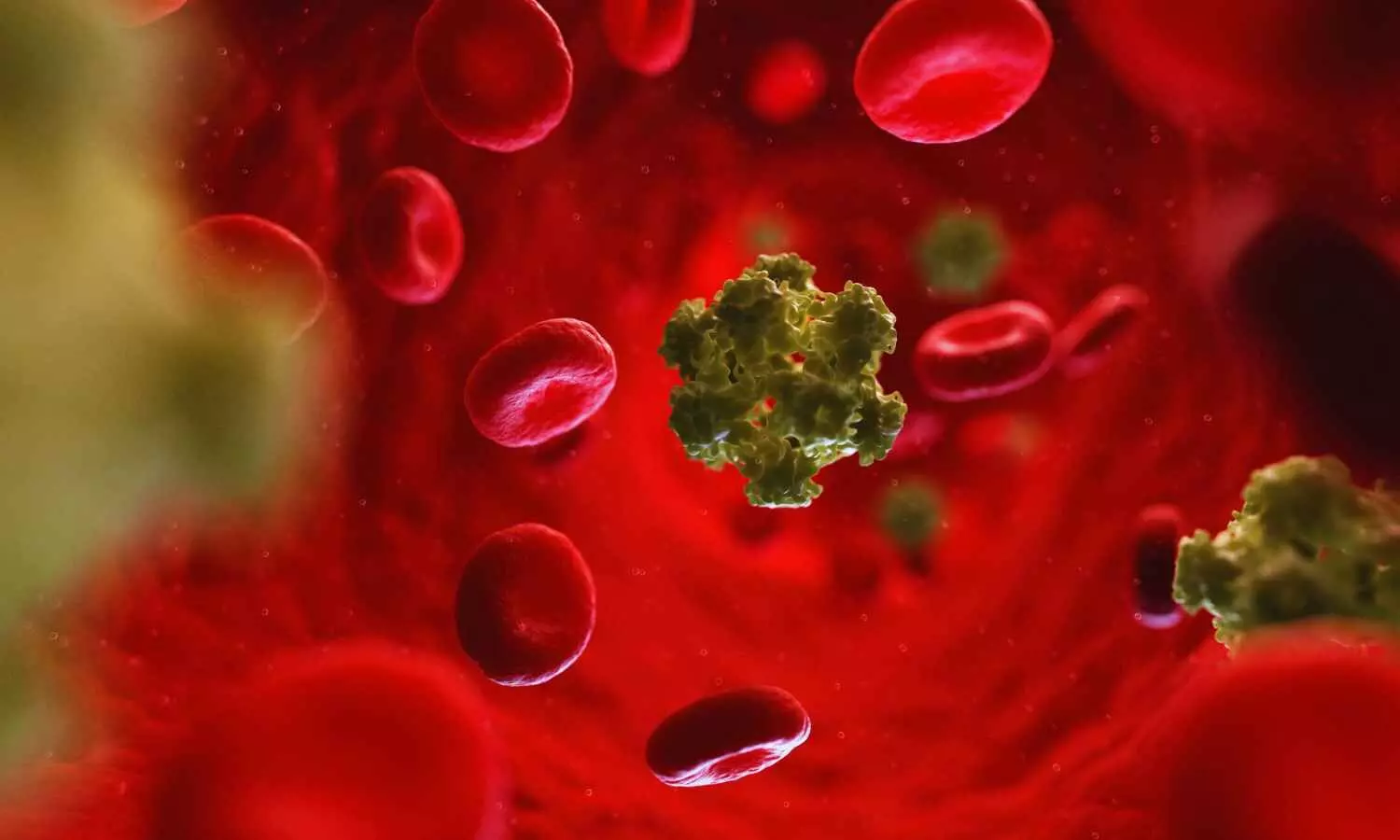


A recent retrospective review published in the Indian Journal of Orthopaedics in September 2026 reveals that Staphylococcus aureus drives 77.8% of pediatric musculoskeletal infections, with 22% exhibiting methicillin resistance. Despite emerging multidrug-resistant pathogens, vancomycin (100%) and linezolid (97.4%–100%) continue to demonstrate near-complete therapeutic efficacy.
Pediatric musculoskeletal infections cause severe morbidity in young populations, where shifting microbial epidemiology and rising antimicrobial resistance create a critical clinical evidence gap requiring periodic re-evaluation of institutional diagnostic and management strategies. To address this pressing clinical gap, Karanveer Singla, Parmanand Gupta, Lipika Singhal, Varsha Gupta, and Abhinav Singla from a tertiary care hospital in North India evaluated the bacteriological spectrum and antibiotic susceptibility patterns in pediatric osteomyelitis, septic arthritis, and pyomyositis.
Therefore, the retrospective review analyzed 73 pediatric patients under 18 years of age treated for musculoskeletal infections at a North Indian tertiary care hospital between January 2021 and July 2024. Clinical records and culture reports retrieved using ICD-10 codes were evaluated under CLSI guidelines to determine bacterial distribution and antibiotic susceptibility.
Key Clinical Findings of the Review Includes:
- Infection Spectrum: Review-identified osteomyelitis as the predominant clinical presentation in 57.5% of cases, followed by septic arthritis in 24.7% and pyomyositis in 17.8%, establishing an overall culture positivity rate of 93.1% across pediatric admissions.
- Pathogen Distribution: Analysis-confirmed Gram-positive organism predominance at 86.6%, led by Staphylococcus aureus at 77.8%—comprising 55.8% methicillin-susceptible Staphylococcus aureus (MSSA) and 22% methicillin-resistant Staphylococcus aureus (MRSA)—alongside other staphylococcal species accounting for 8.8% of isolates.
- Susceptibility Profiles: Research established 100% vancomycin susceptibility across both MSSA and MRSA isolates, with linezolid showing 97.4% sensitivity in MSSA and 100% in MRSA, whereas fluoroquinolone and penicillin resistance exceeded 70% across all Staphylococcus aureus strains.
- Gram-Negative Resistance: Investigators highlighted Gram-negative pathogens comprising 13.4% of isolates, where Klebsiella pneumoniae (4.4%) exhibited near pan-resistance, while Pseudomonas aeruginosa (3%) retained susceptibility to piperacillin-tazobactam and aztreonam.
The results suggest that Staphylococcus aureus remains the primary etiology in 77.8% of pediatric musculoskeletal infections, with vancomycin and linezolid retaining near-complete therapeutic efficacy despite 22% MRSA prevalence. Furthermore, the presence of multidrug-resistant Gram-negative bacteria in 13.4% of cases demonstrates the necessity of tailoring empirical antibiotic choices to regional institutional surveillance data.
Thus, the review concludes clinicians may consider incorporating routine culture-guided antimicrobial therapy and pediatric-specific antibiograms into standard practice to strengthen stewardship efforts and optimize empirical treatment guidelines.
While single-center retrospective study design presents inherent methodological scope limitations, continuous multicenter surveillance and future prospective research remain beneficial to track evolving pediatric resistance patterns and refine institutional treatment protocols.
Reference
Singla K, Gupta P, Singhal L, Gupta V, Singla A. Spectrum of Musculoskeletal Infection Among Children in a Tertiary Care Hospital: A Study from North India. Indian Journal of Orthopaedics. Published online September 15, 2026.