BMI Reduction Improves Cardiometabolic Risk in both metabolically healthy and unhealthy Obese Children: JAMA
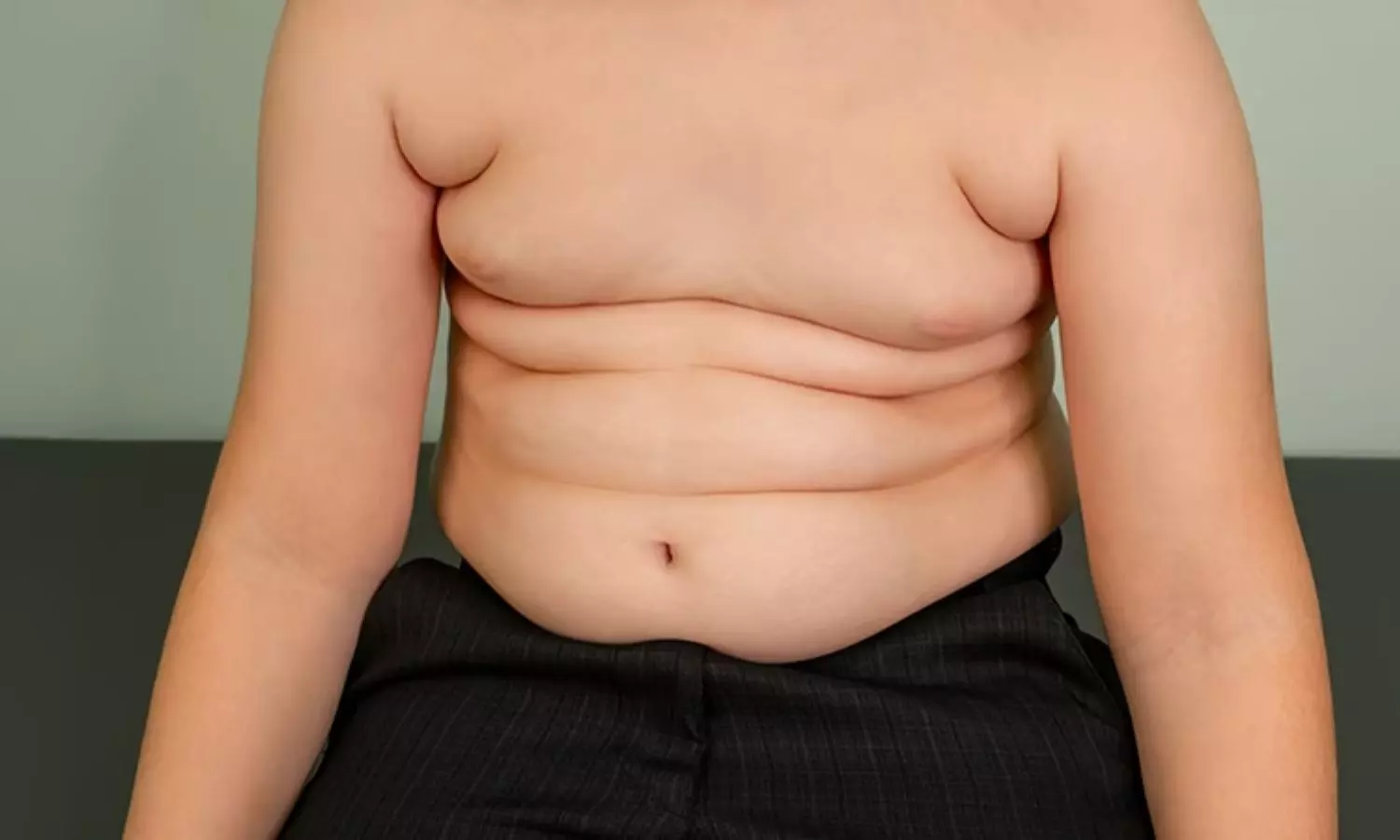


Researchers have discovered in a new cohort study that a reduction in BMI z score of >=0.25 was associated with similar cardiometabolic risk reduction in both metabolically healthy (MHO) and unhealthy obesity (MUO). Despite being classified as metabolically healthy, children with obesity still face significantly higher cardiometabolic risk in young adulthood. Therefore, obesity treatment is recommended for all children with obesity, regardless of their initial metabolic status. The study was published in JAMA Pediatrics by Resthie R. and colleagues.
The prospective cohort study consisted of children who were undergoing obesity treatment between 1997 and 2020, as recorded in the Swedish Childhood Obesity Treatment Register (BORIS). The cohort consisted of 7,275 children who were between 7 and 17 years of age when they started undergoing treatment. These children were compared to another group consisting of 35,636 general population controls who were matched in a 1:5 ratio based on sex, birth year, and residential area.
MHO was defined as the absence of cardiometabolic disorders such as high blood pressure, impaired fasting glucose, elevated liver transaminases, elevated triglycerides, and decreased high-density lipoprotein cholesterol. The children who did not meet the criteria for MHO were termed metabolically unhealthy obesity (MUO).
Key findings:
• The median age at baseline was 11.1 years (interquartile range, 9.1-13.5 years), and the proportion of male participants was 55.0%.
• Of the children with obesity, 49.8% had MHO, and 50.2% had MUO.
• When the children with MHO reached the age of 30 years, the cumulative incidence of cardiometabolic diseases was significantly higher than that in the general population.
• The incidence of type 2 diabetes was 9.1% in MHO and 16.8% in MUO, while it was only 0.5% in the controls. Hypertension was present in 10.8% of MHO and 18.3% of MUO patients, while it was present in only 3.7% of the controls.
• Dyslipidemia was present in 5.3% of MHO patients and in 12.7% of MUO patients, while it was present in only 0.9% of the controls.
• An important finding in the study was the significant relationship between the response to the treatment and the reduced risk of disease.
• When the BMI z-score loss was at least 0.25, a significant reduction in the incidence of cardiometabolic outcomes was observed.
• The incidence rate ratio was reduced to 0.22 (95% CI, 0.14-0.35) for type 2 diabetes, 0.56 (95% CI, 0.34-0.93) for hypertension, and 0.28 (95% CI, 0.14-0.57) for dyslipidemia.
Metabolically healthy childhood obesity is associated with increased cardiometabolic risks; therefore, all children with obesity should be considered candidates for treatment regardless of their metabolic status, and even a small reduction in BMI can significantly reduce disease risk.
Reference:
Putri RR, Danielsson P, Hagman E, Marcus C. Long-Term Cardiometabolic Outcomes in Children With Metabolically Healthy and Unhealthy Obesity. JAMA Pediatr. Published online March 23, 2026. doi:10.1001/jamapediatrics.2026.0343