Children with IBD may face higher risk of VTE: Study
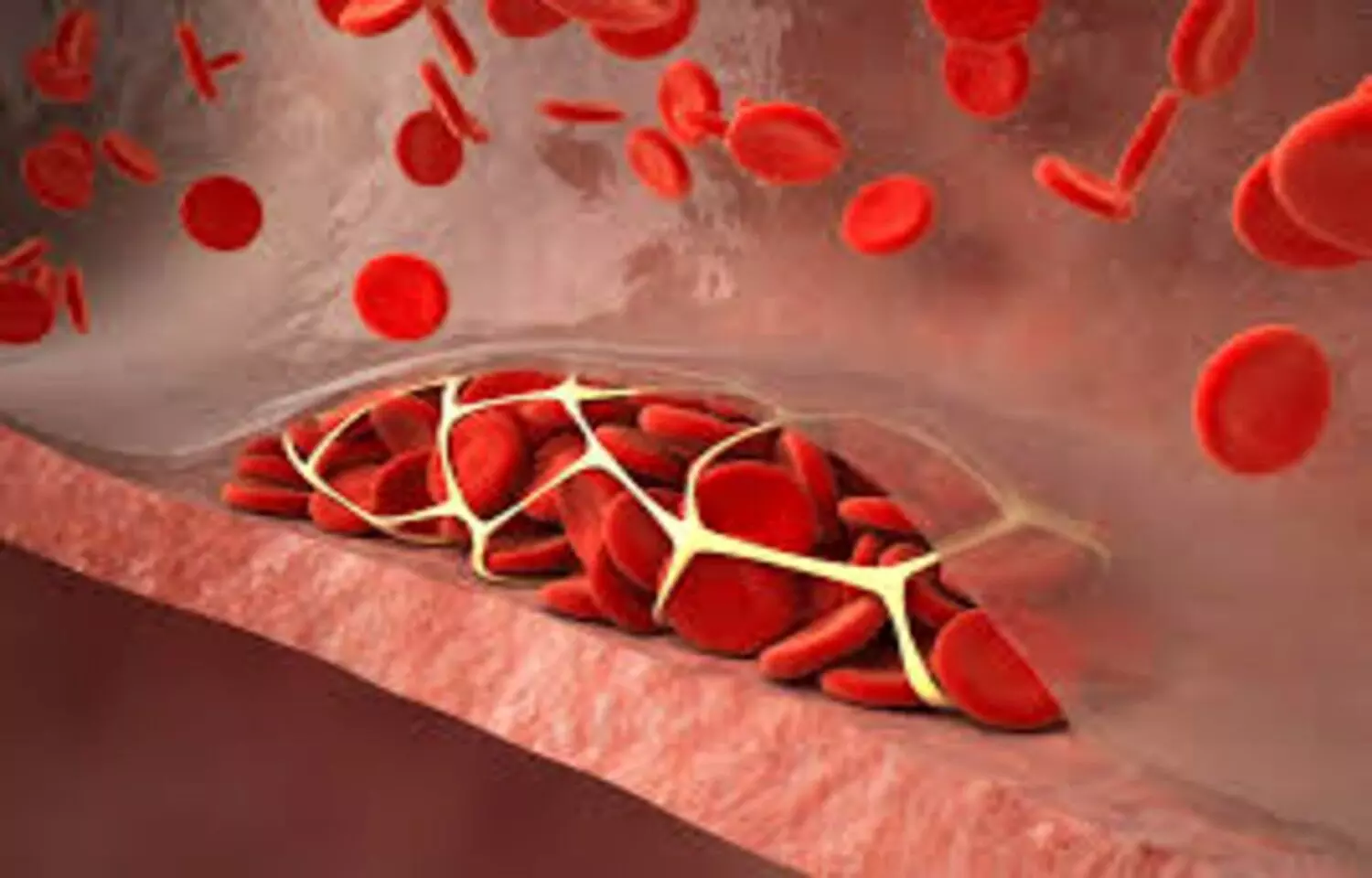


Children and adolescents with inflammatory bowel disease (IBD) have a significantly higher risk of developing venous thromboembolism (VTE), highlighting the need.
The increased risk of venous thromboembolism (VTE) in adults with inflammatory bowel disease (IBD) is well known, but we know less about the VTE risk of IBD in children and teenagers. We evaluated the risk of VTE in children and teenagers through systematic review and meta-analysis.
A systematic search was conducted in PubMed, Embase, Cochrane Library, Web of Science for studies from the establishment of these databases to February 10, 2026, to find relevant research on the risk of VTE in children and teenagers with IBD (PROSPERO, ID: CRD420251081653). Random-effects and fixed-effects models were used to estimate the relative risk (RR) and the corresponding 95% confidence interval (CI). The quality of the included studies was evaluated using the Newcastle-Ottawa Scale.
Seven cohort studies were included in this systematic review, involving 101,253 children and teenagers with IBD and 19,651,587 non-IBD controls. Compared with non-IBD children and teenagers, the overall RR of VTE in children and teenagers with IBD was 6.94 (95% CI [1.87-25.69], P = 0.004).
The risk of deep vein thrombosis (DVT) in children and teenagers with IBD was increased (RR = 6.25, 95% CI [1.13-34.69], P = 0.036); the risk of pulmonary thromboembolism (PE) in children and teenagers with IBD was also increased, but there was no statistically significant difference (RR = 3.13, 95% CI [0.96-10.19], P = 0.058). Children and teenagers with ulcerative colitis (UC) have a higher risk of VTE (RR = 7.53, 95% CI [2.97-19.10], P < 0.001) than those with Crohn's disease (CD) (RR = 3.69, 95% CI [1.67-8.17], P = 0.001). The unadjusted VTE risk in children and teenagers with IBD (RR = 8.19, 95% CI [2.29-29.32], P = 0.001) was higher than the adjusted VTE risk for confounding factors (RR = 4.53, 95% CI [1.91-10.77], P = 0.001).
Children and teenagers with IBD are at a significantly increased risk of developing VTE. Therefore, VTE prevention strategies should be emphasized in this population as well as in adults.
Reference:
Shen, Yuezhong, et al. "Increased Risk of Venous Thromboembolism in Children and Teenagers With Inflammatory Bowel Disease: a Systematic Review and Meta-analysis." PeerJ, vol. 14, 2026, pp. e21056.