
Clesrovimab Well Tolerated for RSV Prevention Through Two Seasons, Finds JAMA Study
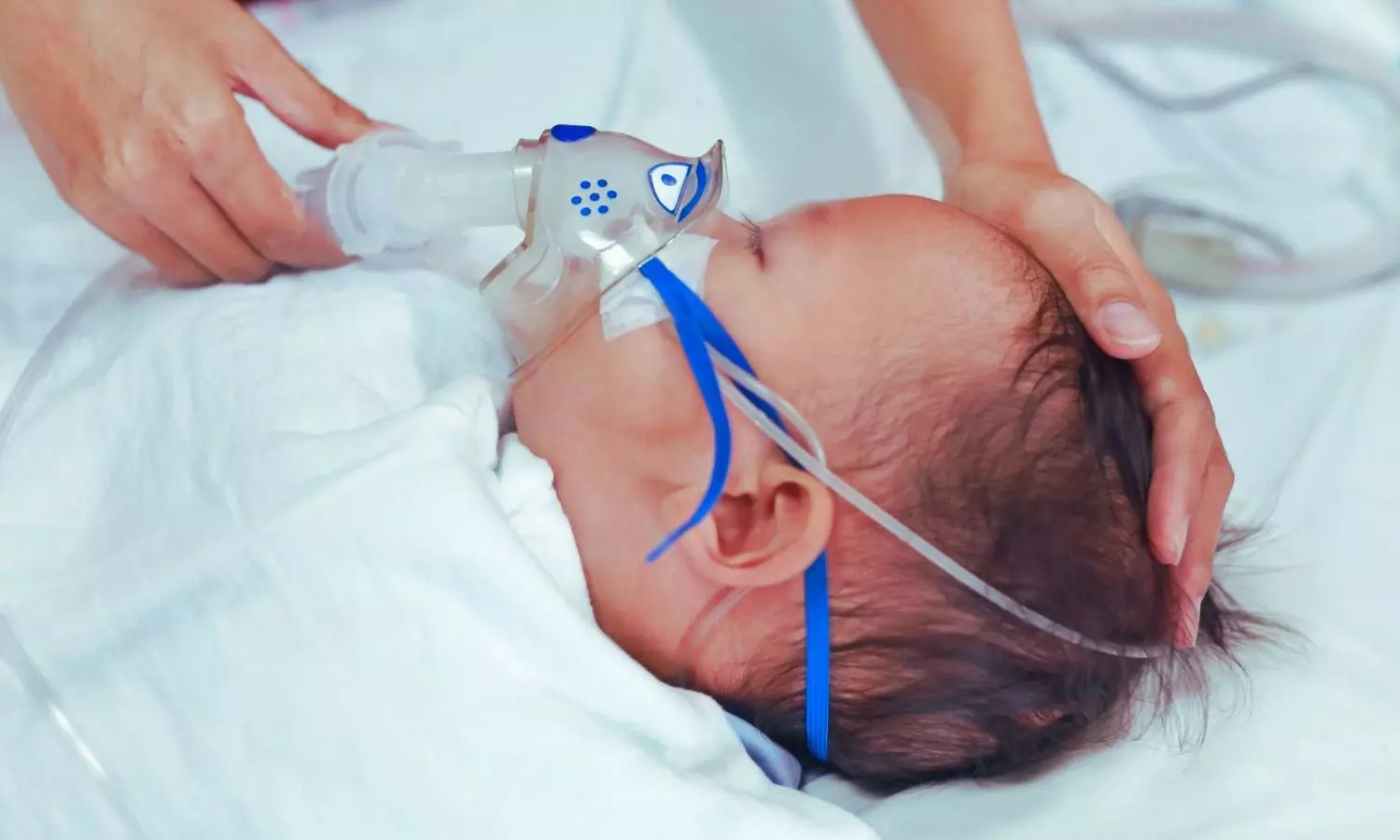


USA: Researchers have found in a randomized clinical trial that clesrovimab, a long-acting monoclonal antibody, was well tolerated in infants at increased risk of severe respiratory syncytial virus (RSV) disease across two RSV seasons. The findings support its potential use in children who continue to be at elevated risk for severe RSV disease during their second RSV season.
The phase 3 trial, published in JAMA Pediatrics, was led by Heather J. Zar from the Department of Paediatrics & Child Health and the South African Medical Research Council Unit on Child & Adolescent Health at the University of Cape Town, South Africa, along with colleagues. The study evaluated the safety and tolerability of a single dose of clesrovimab compared with monthly palivizumab during the first RSV season and assessed the safety of a higher 210-mg dose of clesrovimab in children who remained at increased risk during a second RSV season.
Respiratory syncytial virus is a major cause of lower respiratory tract infections in infants, especially those born prematurely or with chronic lung disease or congenital heart disease. Although clesrovimab is approved for preventing RSV disease during the first RSV season, data on its use in subsequent seasons have been limited.
To address this, the phase 3 SMART (MK-1654-007) trial enrolled 997 high-risk infants from 110 sites across 27 countries and territories. Participants were randomized to receive either a single 105-mg dose of clesrovimab followed by placebo or monthly palivizumab for up to five doses during the first RSV season. Children who remained at high risk received an open-label 210-mg dose of clesrovimab before their second RSV season.
Key findings included:
- Among 997 treated infants, adverse event rates during the first RSV season were comparable between those receiving single-dose clesrovimab (498 infants) and monthly palivizumab (499 infants).
- A 210-mg dose of clesrovimab administered to 276 children before their second RSV season was generally well tolerated.
- The incidence of RSV-associated medically attended lower respiratory infection (MALRI) through day 150 of the first season was similar between the clesrovimab and palivizumab groups (3.2% vs 3.4%, respectively).
- Following the 210-mg dose in the second RSV season, the cumulative incidence of RSV-associated MALRI through day 180 was 7.3%.
- Pharmacokinetic findings for both the 105-mg and 210-mg doses were consistent with those previously observed in healthy infants in whom efficacy had already been established.
The authors acknowledged several limitations, including the absence of a comparator group during the second RSV season, limited power to establish noninferiority versus palivizumab, unadjusted safety comparisons for multiple testing, and the lack of assessment of long-term respiratory outcomes.
The researchers concluded that clesrovimab was well tolerated across two RSV seasons in infants at increased risk of severe RSV disease. They noted that its single-dose regimen may simplify RSV prevention and improve treatment adherence compared with monthly palivizumab injections.
Reference:
Zar HJ, Bont LJ, Manzoni P, et al. Clesrovimab in Infants at Increased Risk For Severe Disease During 2 RSV Seasons: A Randomized Clinical Trial. JAMA Pediatr. Published online July 20, 2026. doi:10.1001/jamapediatrics.2026.2760U

Next Story