
Daily Zinc Cuts Infection Rates in Children With Sickle Cell Anemia, ZIPS-2 Trial Reports
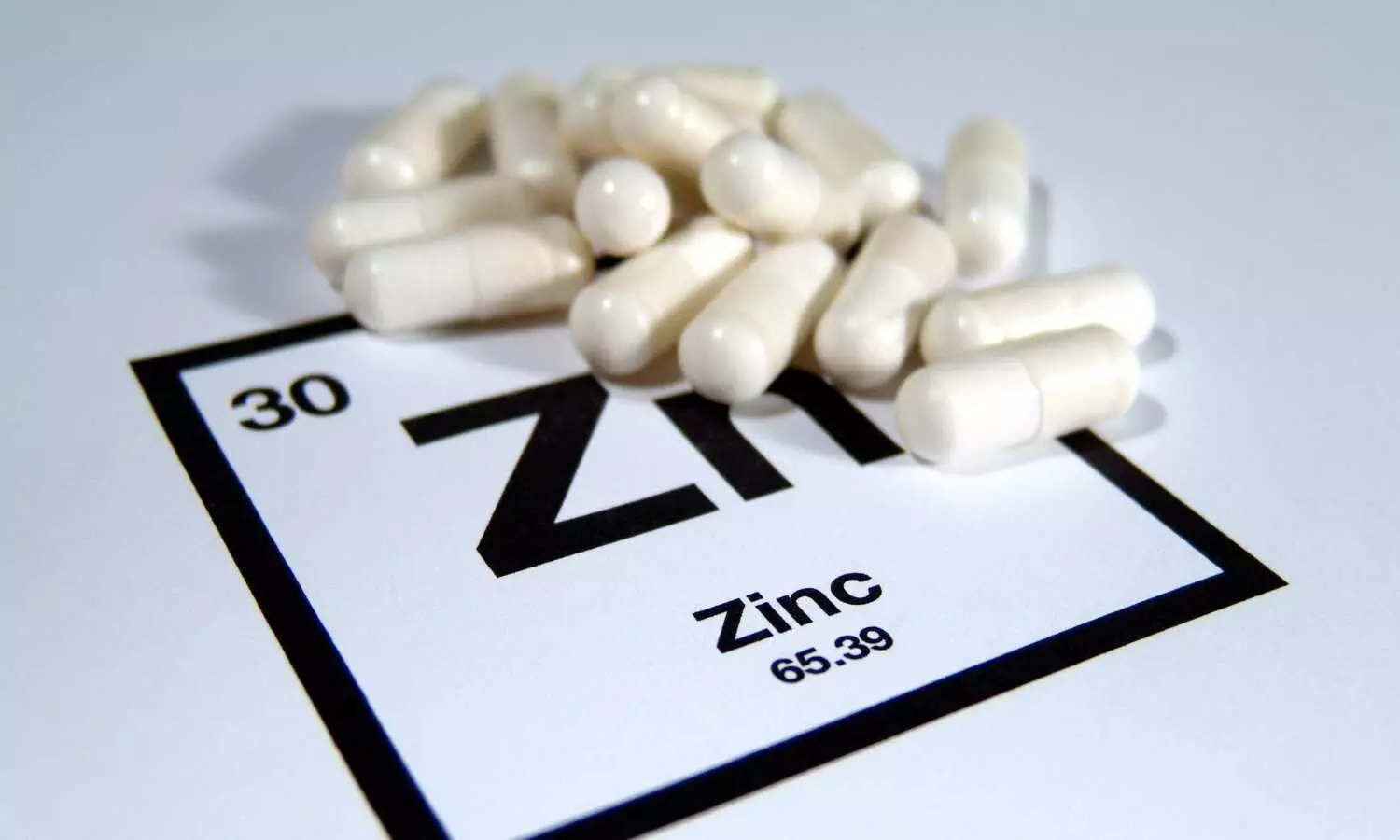


Uganda: Daily zinc supplementation significantly reduced the incidence of infections in children younger than five years with sickle cell anemia, a randomized clinical trial published in JAMA has revealed. The findings suggest that 20 mg of zinc daily could help lower the burden of infections in this vulnerable population, although larger multicentre studies are needed to confirm the benefits.
The study was conducted by Ruth Namazzi from the Department of Pediatrics and Child Health, Makerere University College of Health Sciences, Kampala, Uganda, and colleagues.
Infections remain a major cause of illness and death among children with sickle cell anemia in Africa, despite existing preventive measures. Researchers investigated whether daily zinc supplementation could reduce infection rates in young children with the condition.
The randomized, double-blind, placebo-controlled trial was conducted at Jinja Regional Referral Hospital in Uganda. Researchers enrolled children aged 1 to 4.99 years between February and April 2025 and followed them for six months. Of the 118 children screened, 100 were randomly assigned to receive either 20 mg of zinc sulfate daily or a placebo, with 50 children in each group.
The primary outcome was the incidence of infections from any cause, assessed using standardized clinical criteria. At enrollment, the participants had a mean age of 36 months, and 45% were girls. Nearly half of the children were receiving hydroxyurea therapy at the start of the study, and all participants initiated or continued this treatment during the trial.
The findings revealed the following:
- Lower infection rates: The zinc group recorded 80 infections over six months, compared with 124 in the placebo group.
- Significant reduction in infection incidence: Infection rates were 305.7 per 100 person-years among children receiving zinc, compared with 480.7 per 100 person-years in the placebo group.
- Reduced relative risk: After adjustment for age, sex and hydroxyurea use, the infection incidence rate was 38% lower in the zinc group than in the placebo group.
- Favourable safety findings: Neither group experienced adverse events that required discontinuation of the assigned intervention.
- Complete follow-up: All 100 participants completed the six-month follow-up, with no loss to follow-up.
The findings indicate that daily zinc supplementation may offer an additional strategy for reducing infections in young children with sickle cell anemia. However, the study was limited by its small sample size, single-centre setting, and relatively short follow-up period, which restrict the generalizability of the results.
The researchers concluded that 20 mg of zinc daily reduced all-cause infections in children younger than five years with sickle cell anemia in Uganda. They called for larger, multicentre trials to validate the findings and determine whether similar benefits extend to older children.
Reference:
Namazzi R, Mellencamp KA, Bagala I, et al. Daily Zinc Supplementation for Infection Prevention in Children With Sickle Cell Anemia: The ZIPS-2 Randomized Clinical Trial. JAMA. 2026;336(14):1237–1246. doi:10.1001/jama.2026.14190

Next Story