
FDA Clears First OTC Continuous Glucose Monitor for Children
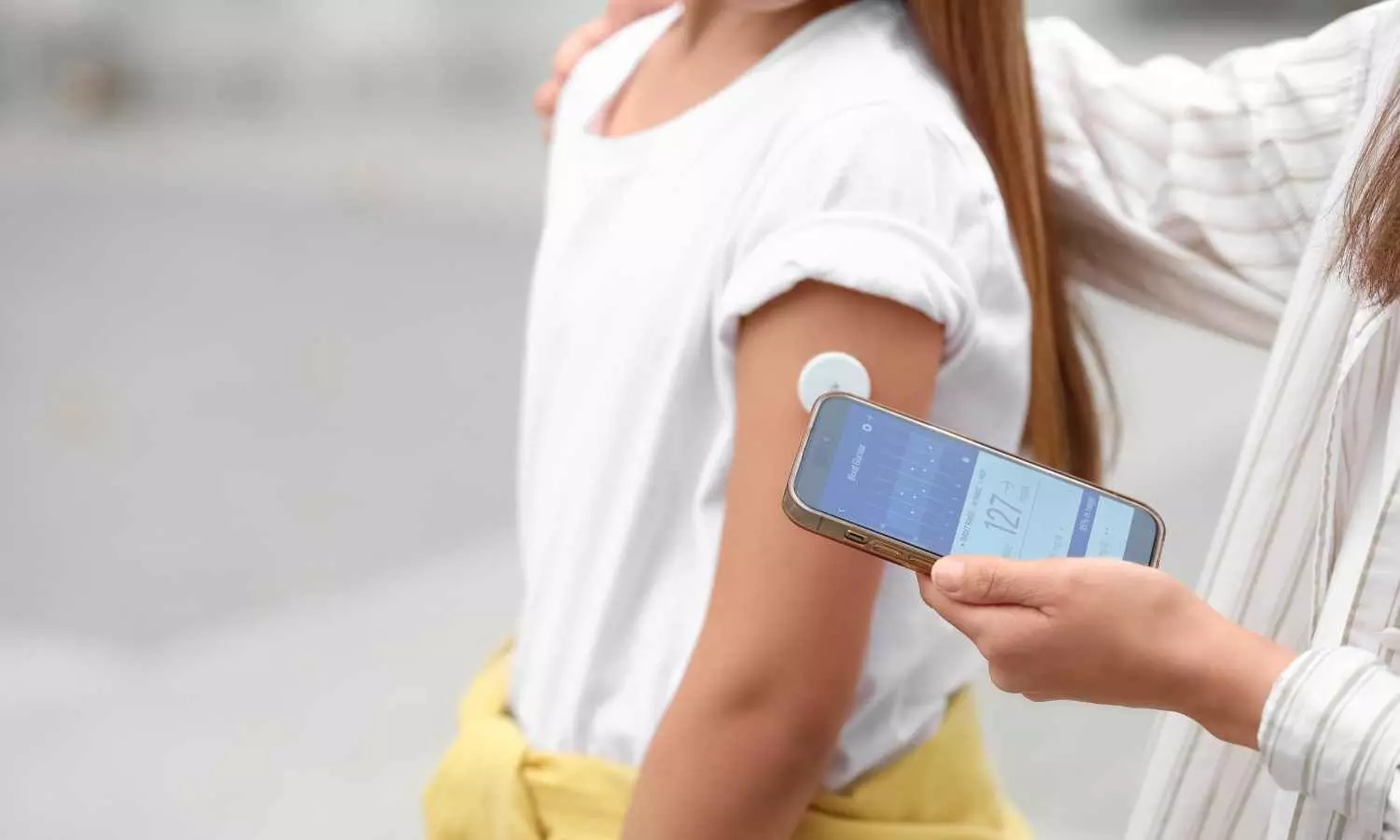


The U.S. Food and Drug Administration (FDA) has cleared the Dexcom Stelo Glucose Biosensor System as the first over-the-counter (OTC) continuous glucose monitor (CGM) for children aged 2 years and older who do not use insulin. The device had previously been approved for adults aged 18 years and above in March 2024.The clearance emphasizes on the agency’s commitment to promoting innovation for pediatric patients and ensuring safe, effective medical devices are available where children live, learn, and play.
This approval marks an important step in making glucose-monitoring technology more accessible to younger individuals and their caregivers.
Prediabetes is increasingly impacting children in the United States, placing millions at heightened risk for progressing to Type 2 diabetes. OTC CGMs can play a critical role in addressing this public health concern for pediatric users who do not use insulin. By providing real-time glucose data, these devices can help pediatric patients and their caregivers build greater glycemic awareness, track patterns in response to meals and exercise, and make informed adjustments to support healthier long-term outcomes and quality of life.
The product is indicated for children, including those with diabetes, who receive oral medication to manage their condition and people who want to understand how diet, exercise, and other lifestyle changes affect their glucose levels.
The Stelo Glucose Biosensor System uses a wearable sensor, paired with an application installed on a compatible smartphone, or other smart device, such as a parent’s or caregiver’s smartphone, to continuously measure, record, analyze and display glucose values. Each sensor lasts for up to 15 days before it must be replaced, although sensor wear time may be shorter in pediatric users than in adults due to several interconnected physiological and behavioral factors. The app displays glucose measurements and trends every 15 minutes. Users and their caregivers should consult their health care provider before making any medication adjustments based on the device’s output.
This clearance is an example of the FDA’s use of real-world evidence (RWE) to support regulatory decision-making. Dexcom and the FDA used previous clinical study data from both pediatrics and adults, along with RWE derived from real-world data on current iCGM use among both groups, to understand expected device performance in pediatric users over the full 15-day wear period.
Participants in the previous study reported mild adverse events including local infection, skin irritation, and pain or discomfort.
For children, the device should be used under the supervision of an adult caregiver. Importantly, this system is not for people with problematic hypoglycemia (low blood sugar) because it is not designed to alert users when this potentially dangerous condition occurs. This system is also not for people on dialysis. People with a history of disordered eating or eating disorders should talk with their health care provider before using Stelo.
This clearance is also aligned with the FDA’s Home as a Health Care Hub Initiative, which focuses on advancing the development of innovative, patient-centered devices that fit more seamlessly into people’s daily lives at home.
