
JAMA Study Highlights Need for Context-Specific Pediatric Prosthetic Solutions in LMICs
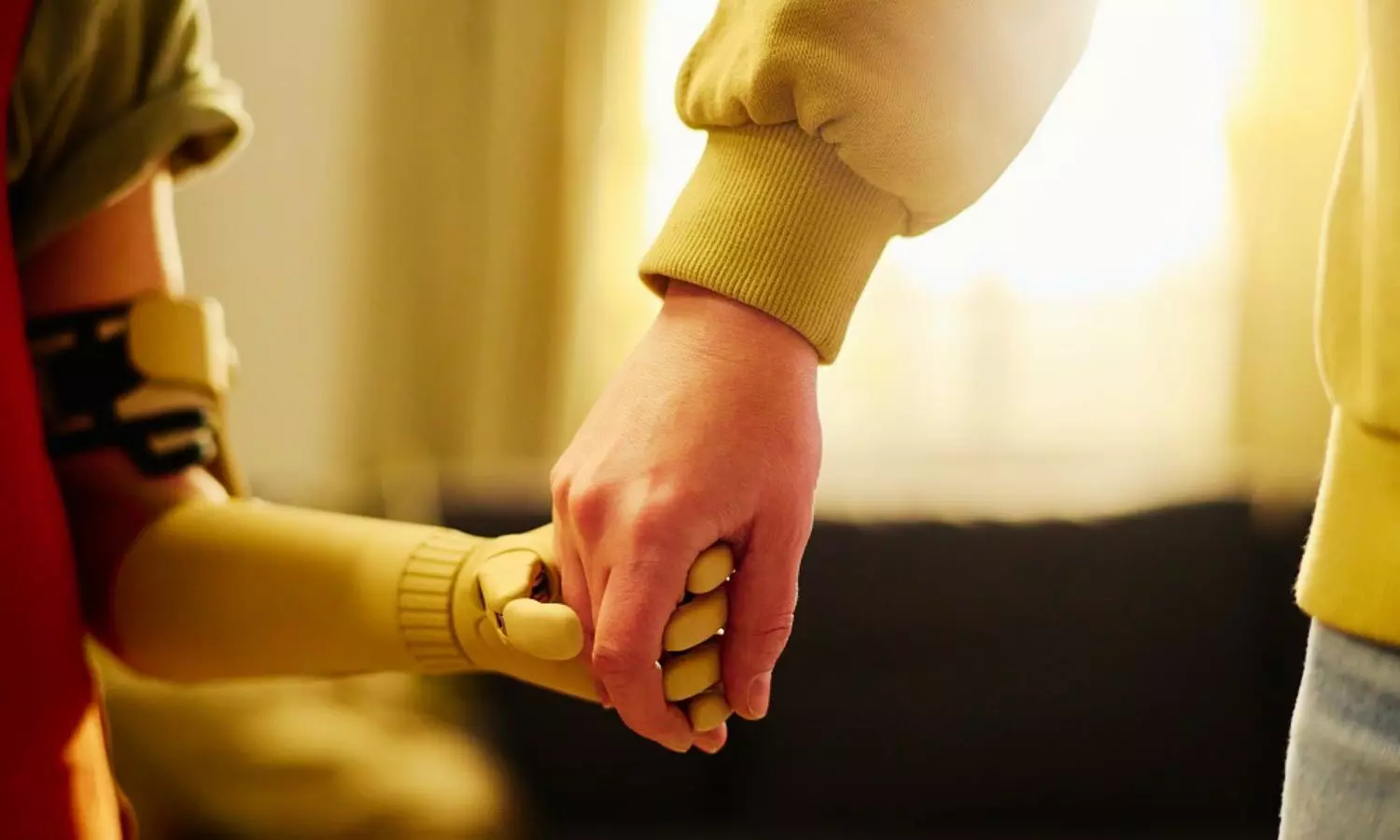


Belgium: Findings from qualitative studies involving children and adolescents with upper limb differences (ULDs), including Nigerian youths, highlight significant unmet needs and persistent disparities in access to pediatric prosthetic care between high-income countries (HICs) and low- and middle-income countries (LMICs).
Participants emphasized the need for anthropomorphic, comfortable, durable, and active upper-limb prostheses that enable confident participation in daily activities, education, and social life. They also described how current prosthetic devices often fail to address their functional, psychosocial, occupational, and quality-of-life needs within their specific sociocultural environments. These findings emphasize the importance of developing context- and environment-specific pediatric prosthetic solutions, alongside supportive public policies and further research tailored to the needs of children and adolescents in LMICs.
Access to pediatric upper limb prosthetic care remains limited in many low- and middle-income countries, and evidence on whether existing devices meet children's needs is scarce.
To address this gap, Kevin Wendo and colleagues from Université Catholique de Louvain (UCLouvain), Cliniques Universitaires Saint-Luc, Department of Pediatrics, Brussels, Belgium, conducted a qualitative study, published in JAMA Network Open, involving 25 Nigerian children and adolescents (aged 5–20 years) with upper limb differences who had received at least one prosthesis through The IREDE Foundation. Fourteen participants completed individual interviews, and 11 joined focus group discussions, with thematic analysis used to explore their experiences, expectations, and needs regarding upper limb prostheses.
The study led to the following findings:
- The study identified seven major themes related to the ideal characteristics of upper limb prostheses and the psychosocial experiences of children and adolescents with upper limb differences.
- Participants wanted prostheses that support daily activities, school tasks, sports, and other functional movements, enabling greater independence.
- They preferred active prostheses with durable components, comfortable fit, and effective terminal devices.
- Children and adolescents emphasized the need for anthropomorphic prostheses that closely resemble a natural limb in shape and skin color.
- Natural-looking prostheses were considered important for boosting confidence, reducing unwanted attention, and encouraging regular prosthesis use.
- Participants reported significant psychosocial challenges, including low self-confidence, feelings of being different, stigma, discrimination, and difficulties interacting with peers.
- These psychosocial experiences affected both prosthesis acceptance and overall quality of life.
- Participants believed that better-designed prosthetic devices could improve daily functioning, social participation, self-confidence, and emotional well-being.
The researchers acknowledged several limitations, including potential social desirability bias, limited capture of nonverbal cues during telephone interviews, possible interpretation bias from Yoruba translation, and the small sample of children already receiving prosthetic care, which may limit the generalizability of the findings.
The researchers concluded that children and adolescents with upper limb differences in LMICs need prosthetic solutions tailored to their environmental and sociocultural contexts. They called for further research, improved pediatric prosthetic development, and supportive public policies to better address the functional, psychosocial, and quality-of-life needs of this underserved population.
Reference:
Wendo K, Chigbu C, Ekundayo O, et al. Needs and Perspectives on Upper Limb Prostheses Among Children and Adolescents With Upper Limb Differences. JAMA Netw Open. 2026;9(6):e2620122. doi:10.1001/jamanetworkopen.2026.20122

Next Story