
Lifestyle Interventions targeting physical activity and nutrition Improve Pediatric Blood Pressure: JAMA
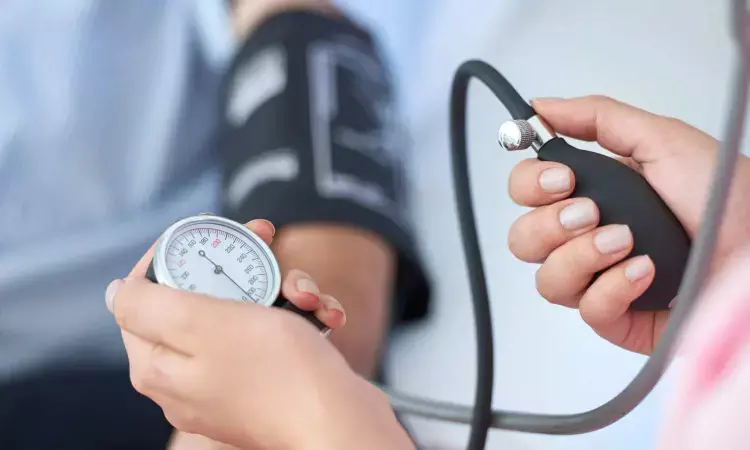


A new study published in the Journal of the American Medical Association showed that lifestyle modifications can beneficially affect blood pressure in children, with the most successful programs combining physical activity and diet.
Lifestyle-based strategies are becoming more and more crucial for controlling children's high blood pressure, particularly as sedentary lifestyles and poor diets proliferate. Early, non-pharmacological methods support long-term cardiovascular health in addition to aiding in blood pressure regulation. Key therapies frequently focus on improving daily routines like encouraging regular physical exercise, decreasing screen time, and cultivating healthy sleep habits.
Dietary adjustments, such as limiting salt intake, increasing fruits and vegetables, and avoiding sugary snacks, also have a vital impact in enhancing vascular function and weight control. Family engagement is vital, as children develop habits imitated at home. Lifestyle treatments provide a workable, long-term solution to stop the rise in childhood hypertension and lower future risks of heart disease and metabolic disorders by focusing on modifiable behaviors at an early stage.
Therefore, this study evaluated the efficacy of school- or community-based lifestyle interventions for lowering high blood pressure in children (aged 3-18 years) and to identify components that contribute to efficacy.
Between June 2013 and March 2024, studies were searched on Embase, Ovid MEDLINE, and PubMed. Randomized clinical trials and quasi-experimental studies were evaluated using the following strict inclusion criteria: participants aged 3 to 18 years, longer than 6-month intervention duration, primary goal to modify cardiometabolic risk, and blood pressure measurement before and after the intervention.
Interventions targeting specific patient groups were omitted. The critical evaluation techniques developed by the Joanna Briggs Institute were used to measure quality. Blood pressure was measured before and after the intervention, and the average difference was reported. Data analysis was carried out from June 2023 to July 2024.
A total of 27 research were examined, of which 13 reported a favorable effect on blood pressure; 24 studies focused physical activity, 15 addressed diet, 16 targeted education, and 11 included family engagement. Of 14 multicomponent investigations, 9 found a favorable effect on blood pressure.
Overall, the findings of this systematic analysis indicate that lifestyle interventions can have a good effect on blood pressure in the pediatric population, with multicomponent designs addressing both physical activity and diet showing the most potential. Future studies should focus on elucidating intervention design, physical activity dose, practicality, and scalability as well as the long-term efficacy of treatments that support children's healthy blood pressure.
Source:
Tiplady, C. H., Mynard, J. P., Vandeleur, M., Ainkaran, G., Li, S. X., Climie, R., Burgner, D. P., Dwyer, T., Quinlan, C., & Longmore, D. K. (2025). Lifestyle interventions addressing blood pressure in children: A systematic review: A systematic review. JAMA Pediatrics. https://doi.org/10.1001/jamapediatrics.2025.4943

