
Long COVID in Children Linked to Academic and Social Challenges, finds study
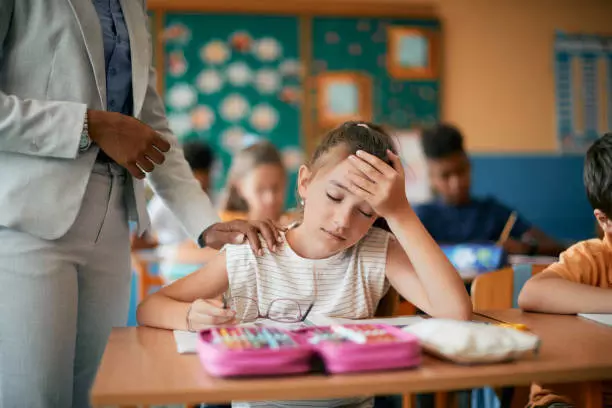


A new study published in the journal of Academic Pediatrics revealed that school-aged children with Long COVID were found to have more than double the risk of reduced academic performance when compared to those without the condition. The study also linked long COVID to difficulties with attention and negative impacts on social life, which highlights its broader effect on the cognitive and behavioral functioning of children.
Pediatric Long COVID, defined as a chronic condition following SARS-CoV-2 infection, has been increasingly recognized for its wide range of symptoms. However, its impact on the day-to-day functioning of the children, particularly in academic settings, has remained less clear. This latest analysis provides some of the strongest evidence to date that the condition may significantly disrupt learning and social development.
This research analyzed cross-sectional data from 1,976 participants who enrolled in the RECOVER pediatric observational cohort. The group included 406 school-age children (ages 6 to 11) and 1,570 adolescents (ages 12 to 17). Using caregiver reports, this study examined how long COVID correlates with school-related outcomes such as grades, attention, social engagement, and the need for specialized education plans.
Among children diagnosed with Long COVID, 18% of school-age participants and 29% of adolescents experienced worsening grades. This is compared to just 7% and 11%, respectively, among those without the condition. After adjusting for factors like age, sex, and timing of infection, this research found that children with Long COVID were more than twice as likely to see a decline in academic performance.
In both age groups, children with Long COVID were significantly more likely to struggle with attention in school, report reduced enjoyment in socializing with friends, and require Individualized Education Programs (IEPs). These challenges point to broader functional impairments that may affect not only academic success but also emotional well-being and social development.
These results illuminate the need for schools and healthcare systems to better recognize and support students dealing with Long COVID. Overall, the findings of this study suggest that academic accommodations, mental health support, and increased awareness among educators and caregivers tailored to individual needs can help these students stay in track.
Source:
Reeder, H. T., Kleinman, L. C., Stockwell, M. S., Thaweethai, T., Pant, D. B., Rhee, K. E., Jernigan, T. L., Snowden, J. N., Salisbury, A. L., Kinser, P. A., Milner, J. D., Tantisira, K. G., Warburton, D., Mohandas, S., Wood, J. C., Fitzgerald, M. L., Carmilani, M., Krishnamoorthy, A., Foulkes, A. S., … RECOVER-Pediatrics Consortium. (2026). School difficulties and Long COVID in children and adolescents. Academic Pediatrics, 103314, 103314. https://doi.org/10.1016/j.acap.2026.103314

