Nirsevimab May Reduce Invasive Pneumococcal Disease in Infants: Study
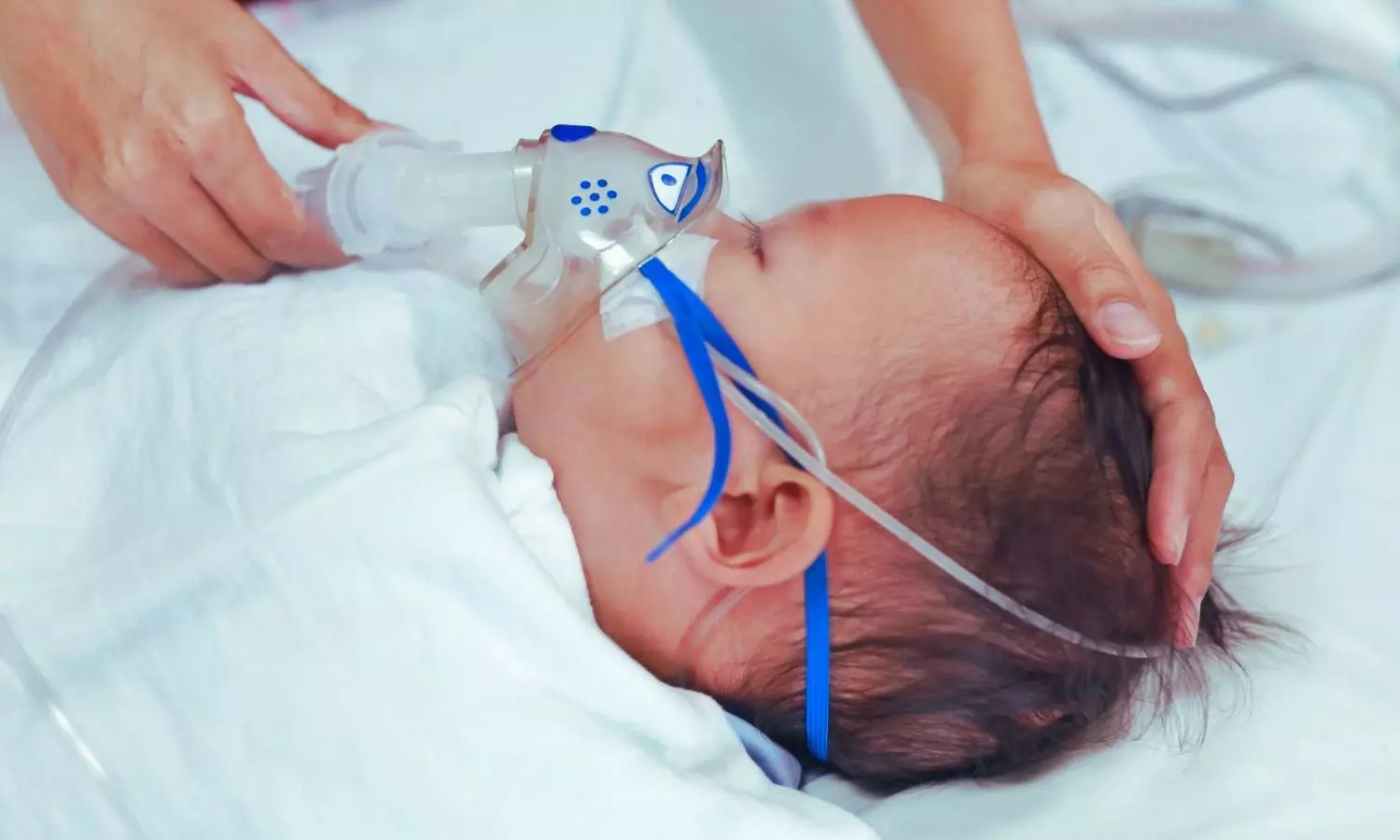


A French retrospective study suggests that nirsevimab (Beyfortus), used to prevent respiratory syncytial virus (RSV) infection, may also reduce the risk of invasive pneumococcal disease. Infants immunized with nirsevimab were about 35% less likely to be hospitalized for invasive pneumococcal disease through 9 months of age, highlighting its potential as a complementary strategy alongside pneumococcal vaccination, especially as non-vaccine pneumococcal serotypes continue to emerge.
The study was published in The Lancet Infectious Diseases by Ines F. and colleagues. To investigate if there is any reduction in the frequency of hospitalized cases of IPD with nirsevimab immunization, the study conducted a review of all liveborn infants in metropolitan France born between February 6, 2023, and January 31, 2024. Children who had nirsevimab immunization within their first year of life were considered part of the immunized cohort, while children without immunization who matched their birth month were part of the non-immunized cohort.
The outcome used in this study was the admission to the hospital for confirmed IPD 6 months after the patient was included in the study. To control for confounders and even out the baseline clinical characteristics of both immunized and non-immunized groups, researchers used propensity score matching with IPTW. The effectiveness of the vaccine was calculated using the following formula: effectiveness=100% × (1 − odds ratio [OR]).
Key findings:
- Among 608,641 total births live during the study period, 527,971 satisfied inclusion criteria, including 119,435 infants (22.6%) who were given nirsevimab.
- A total of 112 IPD cases occurred in the six months' follow-up; in immunized cohort, there were 17 cases (14.2 per 100,000) whereas in non-immunized cohort, there were 95 cases (23.3 per 100,000).
- IPTW corrected analysis showed that nirsevimab was connected with significant odds reduction 36% for hospitalization due to IPD 6 months post-vaccination (OR, 0.64; 95% CI, 0.46-0.82).
- The effectiveness remained consistently high and there was 34% reduction in odds for IPD by 9 months after vaccination (OR, 0.66; 95% CI, 0.51-0.85).
In summary, children less than 12 months who had received nirsevimab vaccination were observed to have reduced susceptibility to IPD for up to 6 months after the procedure. The study has revealed an unexpected yet critical additional benefit of RSV monoclonal antibody prophylaxis other than the protection from the virus infection itself. The increased use of RSV immunization among infants by public health institutions will enable proper healthcare planning during the season with an understanding of this cross-protection effect on infant mortality rates.
Reference:
Fafi, I., Valtuille, Z., Kaguelidou, F., Levy, C., Cohen, R., Angoulvant, F., Bizot, E., Bonacorsi, S., Birgy, A., Pontual, L. D., Viriot, D., Cohen, J., Bourmaud, A., Assad, Z., Jaboyedoff, M., Lenglart, L., Boutillier, B., Naudin, J., Tubiana, S., … Ouldali, N. (2026). Effectiveness of nirsevimab immunisation on invasive pneumococcal disease in children nationwide in France: an observational cohort study. The Lancet Infectious Diseases. https://doi.org/10.1016/S1473-3099(26)00253-7