Tahini Better Reflects True Sesame Allergy Risk in Children: Study
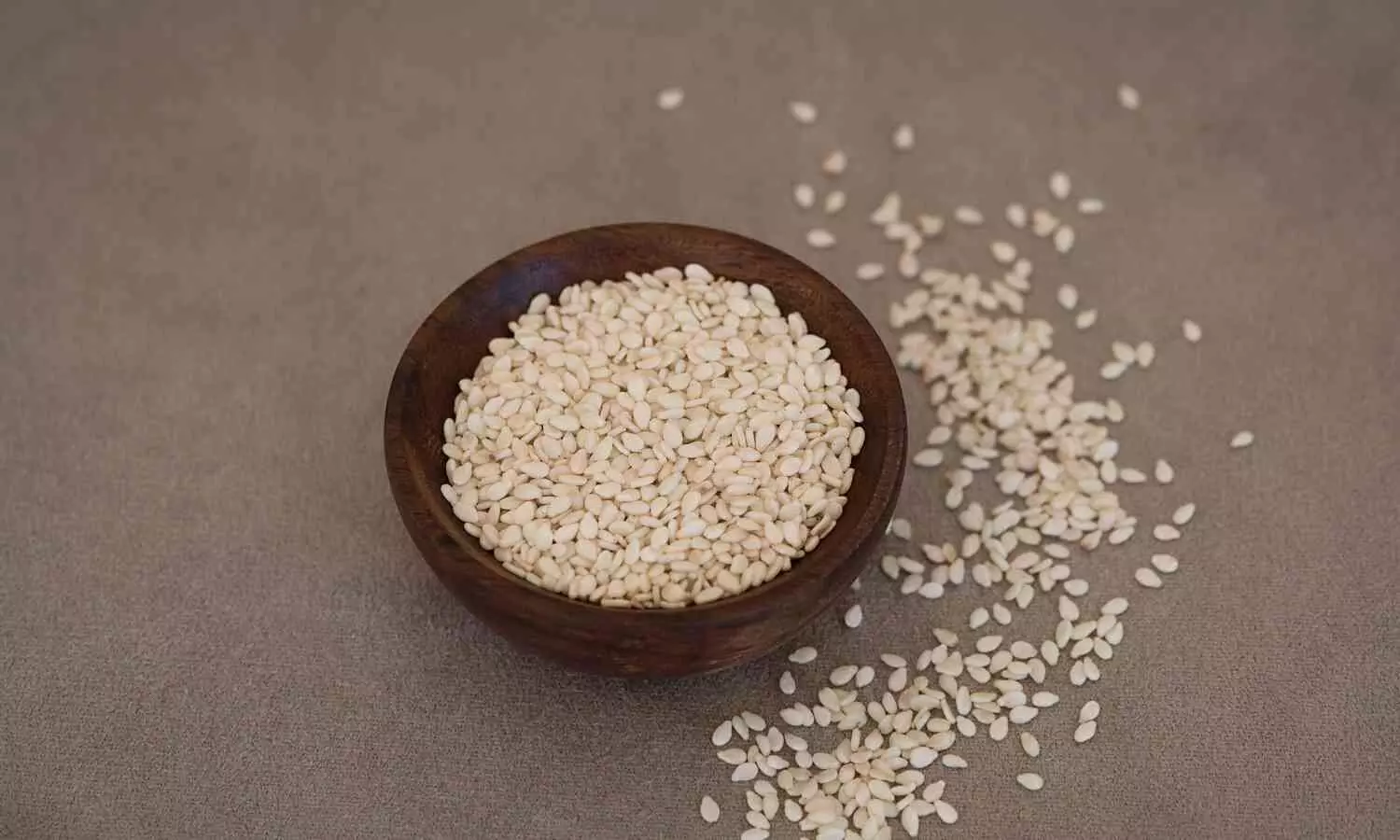


Researchers have found in pediatric sesame oral food challenges (OFCs) that tahini was associated with lower reaction thresholds and higher rates of anaphylaxis compared with whole sesame seeds. Whole seeds may produce falsely elevated threshold results, potentially underestimating allergy severity. These findings suggest that tahini or crushed sesame is a more accurate and clinically appropriate form for assessing true sesame allergy risk in children. The study was published in The Journal of Allergy and Clinical Immunology by Aimee H. and colleagues.
Tahini-based oral food challenges are more suitable when compared to whole sesame seeds because the forms of sesame have been shown to affect the intensity of the reaction as well as the possibility of anaphylaxis. Cases of sesame allergies have been on the rise across the globe. It has been noted that some patients who have sesame allergies are tolerant of whole sesame seeds but are allergic to processed sesame products, such as tahini.
This retrospective study involved children with sesame allergies in four allergy centers in Australia. Studies involving sesame oral food challenges between January 1, 2007, and December 31, 2021, were evaluated. OFCs in children involved consuming whole sesame seeds, crushed sesame seeds, and/or tahini according to individual centers. Reaction rate, anaphylaxis rate, dose producing symptoms, and total dose taken before symptoms were some parameters measured in this study. In total, 307 children were subjected to sesame OFCs in this study, which comprised a diverse group of children over 14 years.
Key findings
• 104 children (34%) had an allergic reaction in 307 OFCs. Notably, anaphylaxis occurred in 28 subjects (9.12%), underlining the risk associated with sesame OFC compared with those for common foods.
• The level of reactivity appeared higher in those who were exposed to whole sesame seeds compared with those who were exposed to either crushed sesame or tahini.
• However, anaphylaxis risk was highest among those who were exposed to tahini.
• Moreover, in the groups who received either tahini or crushed sesame, there was a tendency for lower threshold dose and cumulative dose in those who developed anaphylaxis, underlining that higher amounts of sesame are needed in some cases of clinically significant allergy.
Different forms of sesame drastically influence the outcomes of oral food challenges. Whole sesame seeds are an unsuitable form of sesame OFCs, whereas Tahini is recommended to be used for accurate diagnosis despite an increased risk of anaphylaxis. These findings thus highlight the need for cautious and standardized approaches when diagnosing sesame allergy and confirm that the OFCs with sesame bear a higher risk of anaphylaxis than many common food allergens.
Reference:
Huynh, A., Alhucema, P., Mehr, S., Smart, J., Peake, J., Sullivan, A., Altavilla, B., & Wainstein, B. (2026). Outcomes of sesame oral food challenges using different forms of sesame: Pediatric multicenter review. The Journal of Allergy and Clinical Immunology. Global, 5(1), 100604. https://doi.org/10.1016/j.jacig.2025.100604