Aggressive Obsessions common and distressing in Obsessive-Compulsive Disorder, finds study
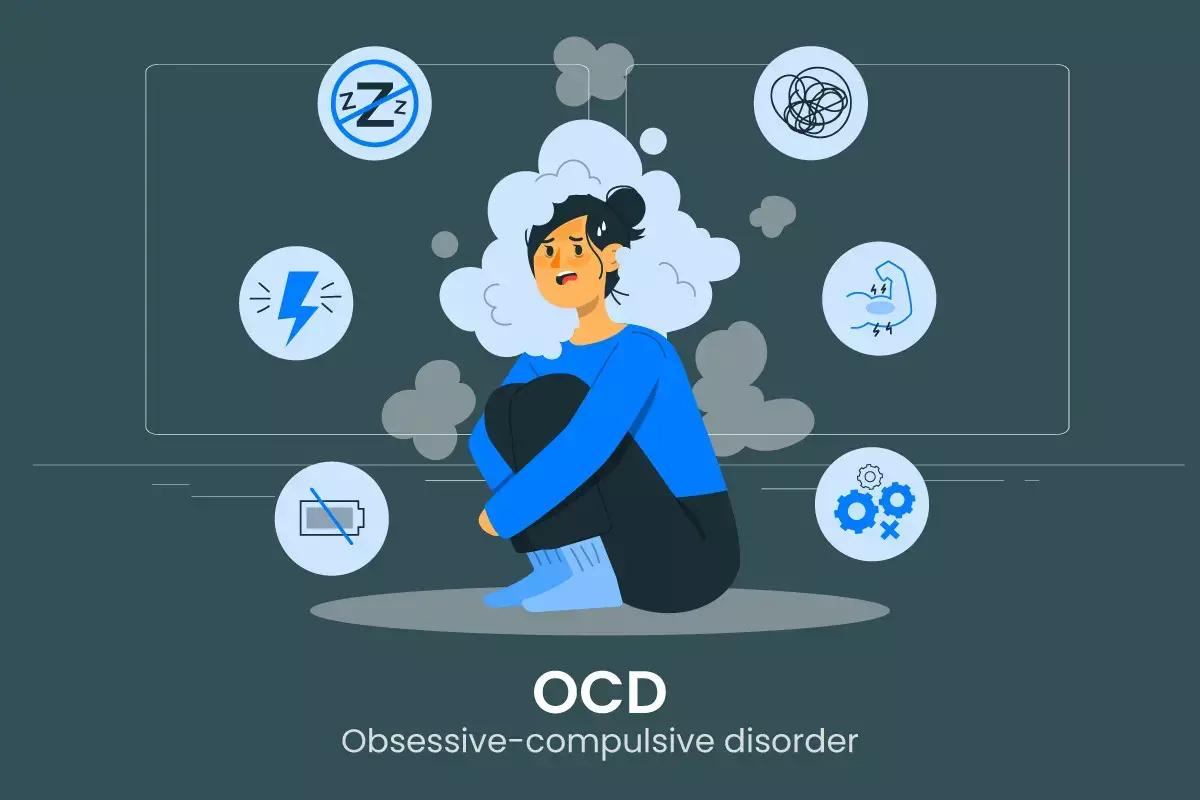


Aggressive obsessions are a common and highly distressing feature of obsessive-compulsive disorder (OCD). A systematic review and meta-analysis published in the Journal of Psychiatric Research found that approximately 70% of individuals with Obsessive-compulsive disorderexperience aggressive obsessions at some point in their lifetime. The prevalence of these obsessions varies based on factors such as age, age at onset of Obsessive-compulsive disorder, and the presence of comorbid conditions, including social anxiety.
Obsessive-compulsive disorder (OCD) is a heterogeneous condition often characterized in relation to major symptom dimensions, including contamination, symmetry/exactness, religious, aggressive, sexual, hoarding/saving, somatic, and miscellaneous. Aggressive obsessions, defined as intrusive thoughts of (unintentionally or intentionally) harming oneself or others, are experienced as distressing, commonly misdiagnosed by healthcare providers, and highly stigmatized.
The aims of the current study were to: (a) provide an aggregate estimate of the worldwide prevalence of aggressive obsessions among adults (18+ years) with clinician-diagnosed Obsessive-compulsive disorder; and (b) quantify sources of heterogeneity amongst prevalence estimates using moderator analyses. A systematic review was conducted using PubMed, PsycINFO, and CINAHL databases. Of the 7794 studies screened, 110 were coded for analysis. Lifetime and current (e.g., past-week) prevalence rates were estimated to be 70.3 %, CI95 % [61.6, 77.7], and 52.6 %, CI95 % [46.3, 59.0], respectively, and reflected substantial heterogeneity. For 28.0 % of individuals, aggressive obsessions were categorized as their primary and most distressing symptom.
Moderator analyses revealed higher current prevalence of aggressive obsessions across samples with a greater mean age, longer mean illness duration, lower mean age of Obsessive-compulsive disorder onset, and greater comorbid social anxiety disorder prevalence, while significantly fewer aggressive obsessions were reported in samples from the Asia Pacific region, and with higher percentages of married individuals. Finally, risk ratio analyses revealed that individuals with: a) early vs. late Obsessive-compulsive disorder onset; and b) suicidal ideation vs. not, were 1.17 times, CI95 % [1.07, 1.27], and 1.98 times, CI95 %[1.47, 2.66], more likely to report aggressive obsessions, respectively. Results support the need for early identification and increased monitoring among individuals experiencing aggressive obsessions.
Reference:
Emily J. Fawcett, Quinn Morris, Chelsea Lahey, Charlotte Corran, Sandra Krause, Olivia C. Bishop, Joshua A. Rash, Jacqueline Carter, Jonathan M. Fawcett, The prevalence and predictors of aggressive obsessions in obsessive-compulsive disorder: A meta-analytic review. Journal of Psychiatric Research, Volume 195, 2026, Pages 264-283, ISSN 0022-3956. https://doi.org/10.1016/j.jpsychires.2026.01.051.