Co-use of Cannabis Edibles and Alcohol Increases Driving Impairment, suggests JAMA study
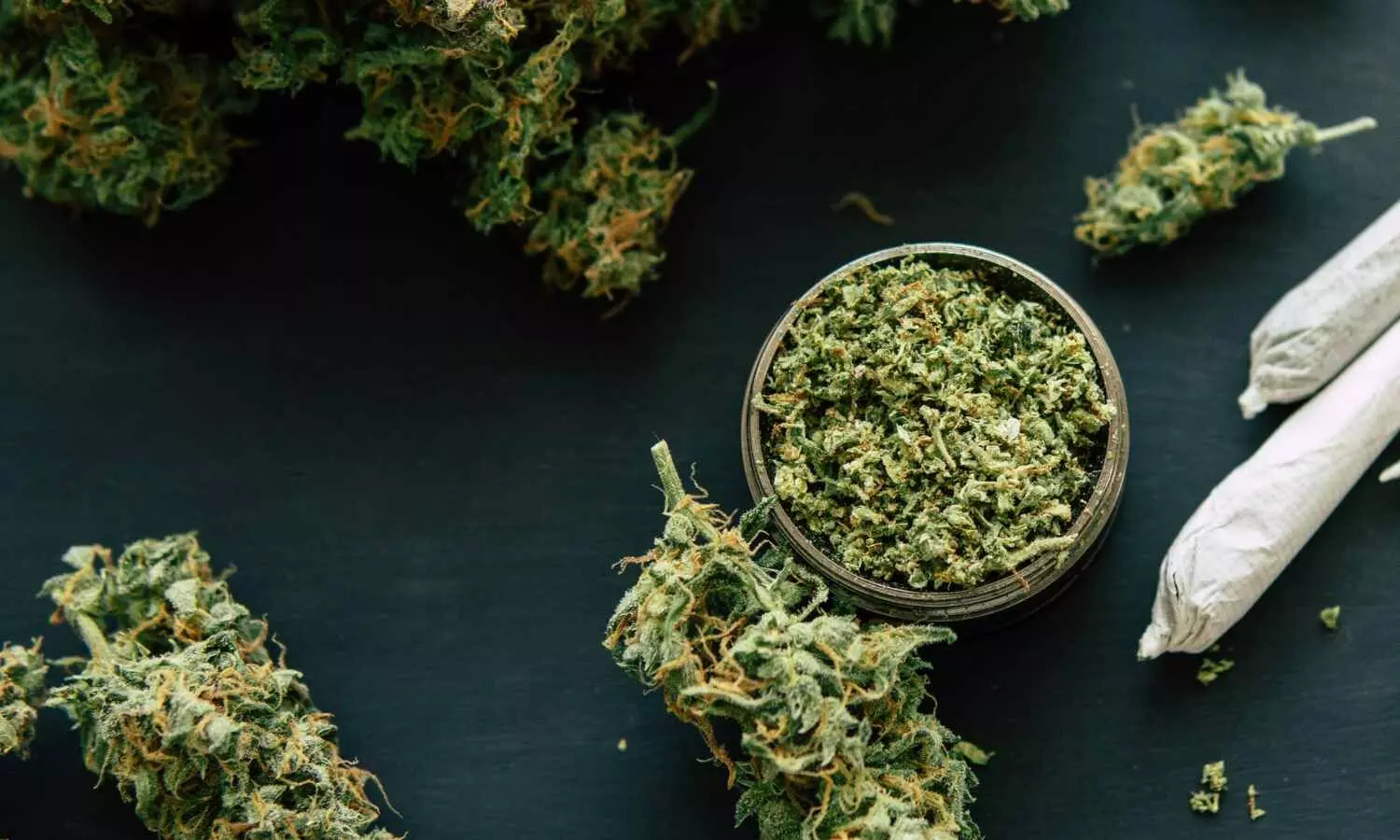


According to new research, combining cannabis edibles with alcohol significantly worsened driving performance and increased feelings of intoxication compared with using either substance alone. The combined use led to greater cognitive and behavioral impairment, raising concerns about road safety. Previous research had mainly examined smoked or inhaled cannabis, while this study highlighted similar risks with edible cannabis products as well. The study was published in JAMA Network Open by C Austin Z. and colleagues.
In order to separate the effect of each substance on its own and when used simultaneously, a rigorous within-subjects design was chosen that involved a double-blind, double-dummy crossover. The study was carried out from February 2022 through August 2025. The sample involved healthy participants who had been recently engaging in binge drinking and co-ingesting the tested drugs, albeit less frequently than three days per week. In total, all subjects participated in seven different outpatient trials, with each trial separated by a week-long washout interval for ensuring complete elimination of the active drug components. Dietary manipulations included brownies that contained 0 mg, 10 mg, and 25 mg of Delta-9-tetrahydrocannabinol.
Additionally, the brownies were combined with placebo beverages or alcoholic drinks adjusted so that the Breath Alcohol Concentration (BrAC) would be 0.00%, 0.05%, and 0.08% correspondingly. Main outcome measures were evaluated by means of simulated driving test through the Global Drive Score (GDS), an aggregated measurement of multiple aspects of driving ability, and standard deviation of lateral position. Secondary endpoints included measurements of cumulative number of impairment clues using SFSTs, subjective intoxication, cognitive performance via the DRUID mobile application, and successive blood cannabinoid concentrations.
Key findings:
- The experiment succeeded in testing 25 healthy volunteers who included 15 men (60.0%) and 10 women (40.0%), with a mean age of 25.6 years (±4.9 years).
- All active drug use cases except for the single case of the 10 mg of THC resulted in impairment to the global drive score (GDS).
- The alcohol-induced driving impairment in the case of a 0.08% BrAC level was equal to the combination of 0.05% BrAC with 10 mg of THC in terms of mean GDS (1.6 ±1.6 vs. 1.4 ±1.4, respectively).
- At a 0.05% BrAC with 25 mg of THC edible consumption, the mean GDS sharply increased to 2.5 (±1.7), making a significant impact that exceeded the effect of the legal amount of alcohol consumption by far (P = .02).
- In comparison with placebo, the SFST performance was significantly worse at 0.08% BrAC, resulting in mean SFST score reaching 2.2 ±2.2 (from 0.2 ±1.3 under placebo; P = .008).
- SFST did not show significant deterioration in many cases when the driving skills were severely impaired during simulation.
This cross-over study demonstrates that the combination of cannabis edibles and alcohol dramatically increases impairment while driving, rendering the standard legal limit of 0.08% BrAC extremely hazardous for users. Given the growing number of recreational cannabis shops opening up and the increasing popularity of cannabis oral edibles, it is important to have laws in place which account for co-use by individuals. In such circumstances, legislators and traffic safety authorities can use these findings to reassess existing regulations and set up lower limits of BrAC.
Reference:
Zamarripa, C. A., Lin, S., Klausner, M., Rastogi, K., Roche, D. J. O., Novak, M., Antoine, D., Wolinsky, D., Marcotte, T. D., Weerts, E. M., Vandrey, R., & Spindle, T. R. (2026). Impact of Cannabis Edibles Combined With Alcohol on Driving, Field Sobriety Performance, and Subjective Effects: A Within-Participant Crossover Trial. JAMA network open, 9(5), e269842. https://doi.org/10.1001/jamanetworkopen.2026.9842