Indian Psychiatry Sees Growing Clinical Use of Transcranial Direct Current Stimulation: Study
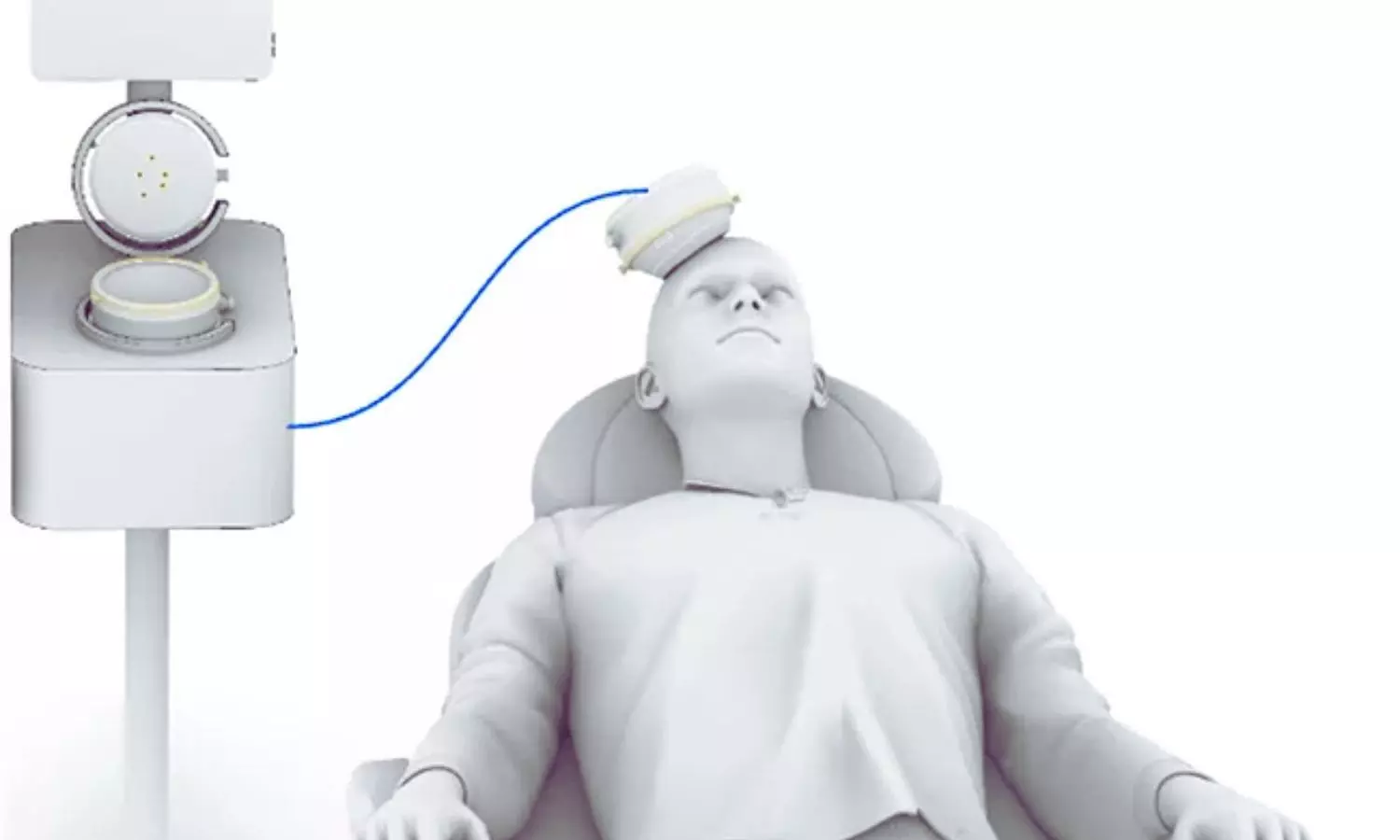


A recent study published in the Indian Journal of Psychiatry in November 2025 highlights a promising rise in the clinical application of transcranial direct current stimulation (tDCS) across India. It reveals that regional tDCS research is steadily growing, yet still lags behind rapidly expanding global trends.
Transcranial direct current stimulation (tDCS) is a non-invasive neuromodulation therapy that uses low-intensity currents to treat complex psychiatric conditions like schizophrenia and depression. While global tDCS research has surged rapidly, clinical data from low- and middle-income countries remains limited, prompting JIPMER researchers to conduct a comprehensive bibliometric analysis to bridge this evidence gap.
Researchers systematically searched major databases for Indian-affiliated tDCS clinical studies published through May 2025, focusing on quantitative trials with average sample sizes of 23 to 42 participants. Excluding non-regional research and review articles, the analysis extracted key clinical parameters, including psychiatric diagnoses, targeted cortical areas, session frequencies, and overall study designs.
Key Clinical Findings of the Study Includes:
Publication Trends: The analysis identified that among the 106 included studies, case reports initially predominated at 37.4%, but a progressive shift toward interventional designs (27.1%) and randomized controlled trials (RCTs) has been clearly observed over time.
Clinical Diagnoses: The review highlighted that schizophrenia was the most frequently studied condition at 36.4%, primarily addressing treatment-resistant auditory hallucinations, followed by obsessive-compulsive disorder (OCD) at 10.3% and depression at 8.4%.
Neuromodulation Targets: The findings demonstrated that the left dorsolateral prefrontal cortex (DLPFC) served as the dominant anodal target in 53.8% of the protocols, while the right supraorbital area was frequently utilized for cathodal placement.
Treatment Parameters: The study indicated that conventional stimulation devices were utilized in 57.5% of cases, standardizing treatments into twice-daily, 20-minute sessions that align well with established global clinical protocols.
Institutional Output: The research showed that the National Institute of Mental Health and Neurosciences (NIMHANS) led the scientific output, contributing exactly 50% of the total publications and fostering crucial academic momentum.
The results suggest a consistent upward trajectory in the clinical interest and adoption of this non-invasive therapy over the last 13 years, peaking with 17 publications in 2022. However, the overall methodological scale and global footprint remain somewhat limited when benchmarked against the broader, multicentric international advancements.
These evolving regional patterns mildly emphasize that while this modality is highly affordable and portable, there is a clear opportunity for clinicians to broaden its application within private practice settings, effectively bridging the persistent gap between academic research and routine urban clinical care.
The relatively high proportion of single-centered and exploratory studies serves as a mild limitation of the current clinical landscape, gently highlighting an encouraging need for future robust, multicentric collaborative research to prioritize underexplored mental health conditions and evaluate accessible, home-based delivery models for resource-constrained environments.
Reference
Balasubramanian I, Ganesh R. Transcranial direct current stimulation (tDCS) research in Indian psychiatry: A bibliometric analysis. Indian J Psychiatry 2025;67:1100-4.