
Oxytocin Plus Positive Partner Interaction Improves Stress Response and Wound Healing: JAMA
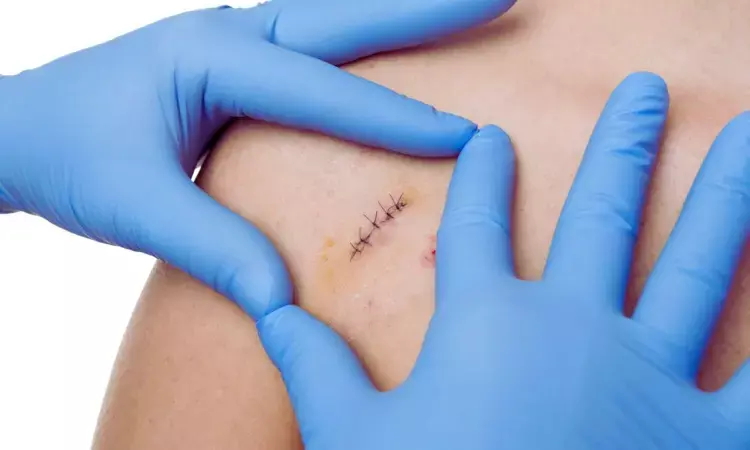


Germany: A study has revealed that couples using intranasal oxytocin along with structured positive partner interactions and increased physical intimacy showed reduced cortisol levels and improved wound healing.
The randomized clinical trial, published in JAMA Psychiatry by Ekaterina Schneider and colleagues from the Institute of Medical Psychology at University Hospital Heidelberg, offers fresh insight into how the combination of a neurohormonal intervention and positive relationship behaviors can influence health outcomes. The study explored whether intranasal oxytocin, when paired with supportive couple interactions and daily intimacy, could promote faster skin wound recovery and reduce stress markers.
The trial involved 80 healthy heterosexual couples who were assigned to receive either oxytocin or a placebo twice daily for a week. Alongside this, certain couples participated in a structured Partner Appreciation Task (PAT), designed to encourage warm, positive communication.
To evaluate wound healing, researchers created four tiny suction-blister wounds on each participant’s forearm during the first laboratory session. Healing progress was assessed after 24 hours and again on the seventh day. Throughout the week, couples also provided saliva samples—collected six times a day—for cortisol testing and reported their stress levels, partner interactions, and physical intimacy moments.
The key findings of the study were as follows:
- Couples who received oxytocin along with the Partner Appreciation Task showed indications of improved wound healing.
- The strength of this effect decreased in sensitivity analyses, but clearer benefits appeared when daily physical intimacy was considered.
- Participants who reported more affectionate touch or sexual activity alongside oxytocin use experienced less severe wounds after one week.
- Additional analyses supported these observations, highlighting physical intimacy as a key contributor to oxytocin’s healing effects.
- Hormonal responses mirrored these findings, with more frequent sexual activity associated with lower cortisol levels throughout the week.
- The results suggest that oxytocin enhances the positive effects of affectionate, supportive interactions rather than acting as an independent therapeutic agent.
The researchers noted several limitations. Wound healing was assessed at only two time points, potentially reducing sensitivity. PAT adherence was moderate, interaction timing differed among couples, and intimacy was self-reported without standardized measures. Since the study included only young, healthy, heterosexual couples, the findings may not generalize to wider populations.
The trial contributes to a growing body of research linking relationship quality with physical health. Although neither oxytocin alone nor the behavioral task independently improved wound healing, their combination—especially when paired with real-world intimacy—was associated with better recovery outcomes. The findings underscore the possibility that oxytocin functions more as a “social enhancer,” strengthening the positive physiological effects of meaningful interpersonal interactions.
The authors emphasize that larger, more diverse studies are needed; however, the trial’s results suggest an intriguing interplay between biological and relational factors. Integrating neurohormonal pathways with everyday affectionate behaviors may offer a novel path for psychosocial interventions aimed at improving healing and overall well-being.
Reference:
Schneider E, Hernández C, Brock R, et al. Intranasal Oxytocin and Physical Intimacy for Dermatological Wound Healing and Neuroendocrine Stress: A Randomized Clinical Trial. JAMA Psychiatry. Published online November 12, 2025. doi:10.1001/jamapsychiatry.2025.3705

Next Story