
Higher Mortality With Plasma Transfusion in Severe Pneumonia Largely Explained by Illness Severity: Study
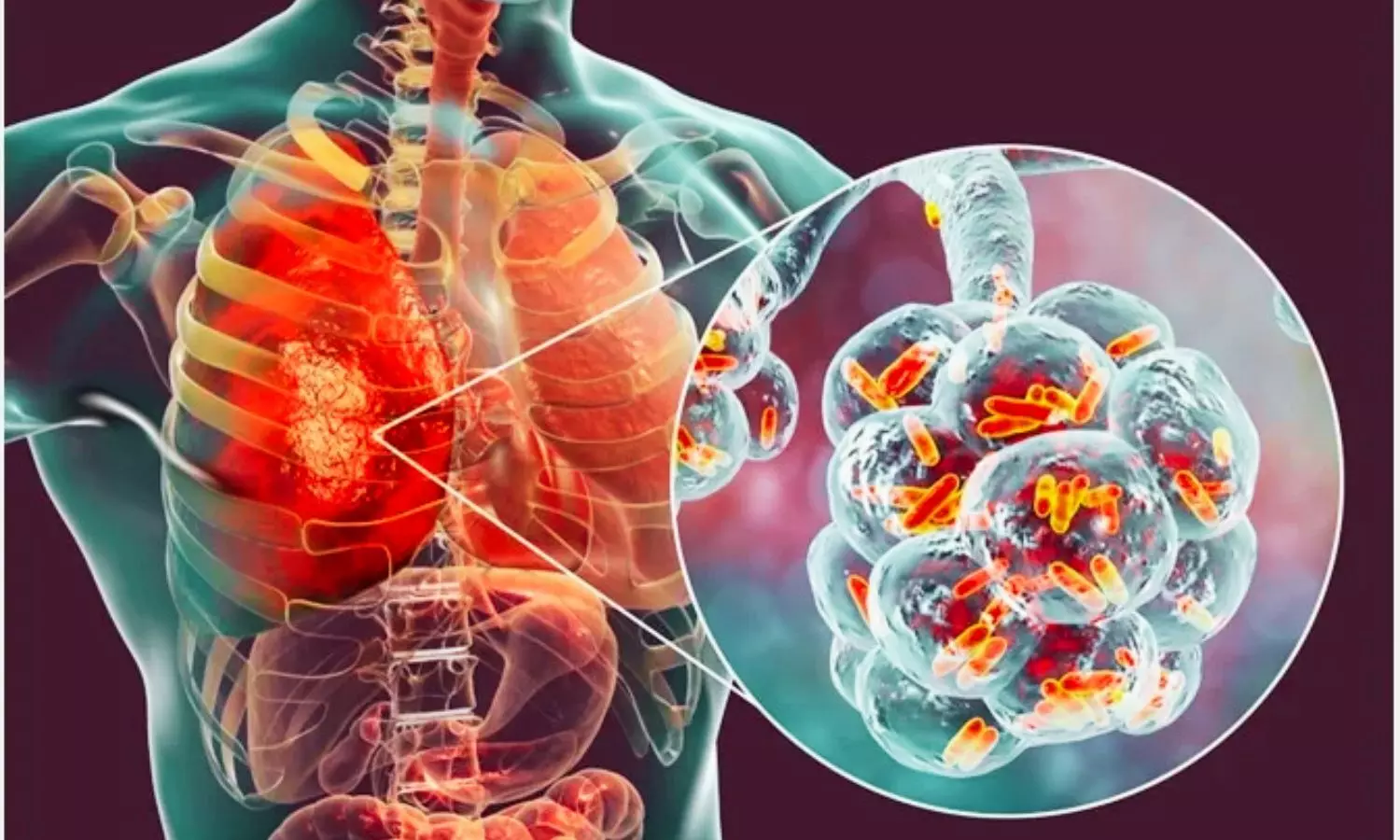


China: Patients with severe pneumonia who received plasma transfusions had higher unadjusted in-hospital mortality than those who did not receive plasma. However, after accounting for differences in baseline illness severity using propensity score matching, this association was no longer statistically significant, suggesting that the initial mortality difference may largely reflect the fact that sicker patients were more likely to receive plasma transfusions.
The findings come from a retrospective cohort study published in BMC Pulmonary Medicine by Linyan Wu from the Department of Transfusion Medicine, Zhujiang Hospital, Southern Medical University, Guangzhou, China, and colleagues.
Plasma transfusion is commonly administered to patients with severe pneumonia who develop bleeding or coagulation abnormalities. However, because these patients are often critically ill, it has remained unclear whether plasma transfusion itself influences survival or whether poorer outcomes simply reflect the severity of the underlying disease.
To investigate this question, the researchers reviewed the medical records of 156 adults admitted with severe pneumonia between January 2021 and May 2024. Among them, 62 patients received plasma transfusions, while 94 did not. The primary analysis used propensity score matching to balance differences in baseline characteristics between the two groups and compare in-hospital mortality. The investigators also performed multiple supportive analyses, including Cox regression, Kaplan-Meier survival analysis, inverse probability of treatment weighting, overlap weighting, competing-risk analysis, and several sensitivity analyses.
The study led to the following findings:
- Before adjustment, patients who received plasma transfusions had significantly higher in-hospital mortality than those who did not receive plasma (64.5% vs. 28.0%).
- Plasma recipients had substantially poorer baseline clinical characteristics, indicating they were generally more severely ill.
- After propensity score matching balanced baseline differences, in-hospital mortality remained numerically higher in the plasma group (50.0% vs. 36.1%), but the difference was not statistically significant.
- Additional adjusted and sensitivity analyses produced inconsistent results, with some models suggesting a higher mortality risk with plasma transfusion and others showing weaker or non-significant associations.
- Overall, the findings indicate that differences in baseline illness severity may explain much of the observed mortality difference, while the true effect of plasma transfusion remains uncertain.
The findings suggest that the higher unadjusted mortality among plasma recipients was largely driven by their greater illness severity rather than the transfusion itself. However, the authors cautioned that residual confounding, time-dependent biases, and the small matched sample prevent definitive conclusions about the benefits or harms of plasma transfusion.
They emphasized that the non-significant matched results should not be interpreted as evidence of no effect and called for large prospective studies and randomized trials to clarify the impact of plasma transfusion on survival in severe pneumonia.
Reference:
Wu, L., Fang, Z., Wu, X. et al. Association between plasma transfusion and in-hospital mortality in severe pneumonia: a propensity score-matched retrospective cohort study. BMC Pulm Med (2026). https://doi.org/10.1186/s12890-026-04497-4

Next Story