
Improving indoor environment reduces asthma attacks in adults, study finds
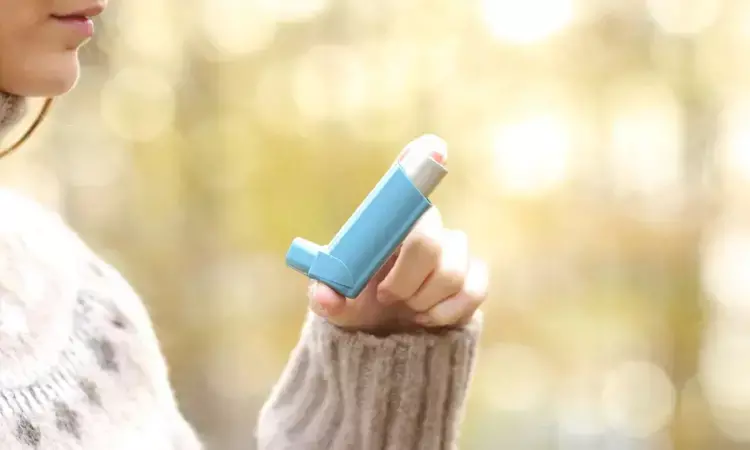


For adults with asthma, having fans, air purifiers or other ventilation and exhaust systems-especially in kitchens and bathrooms-is one of the best ways to reduce the risk of flare-ups at home.
That’s the key finding of a large, statewide survey of how household environments affect adults with asthma in Texas.
“Most studies of this type focus on children, but since most asthma cases in the U.S. are in adults, we looked at them and their indoor environment,” said Alexander Obeng, a doctoral student at the Texas A&M University School of Public Health and the study’s lead author.
He added that Texas was an ideal setting for the study because of its wide range of climates and housing conditions.
“Air conditioning is a constant across much of the state during warmer months, which reduces natural ventilation and may increase indoor pollutant levels,” he said. “In addition, many older homes, mobile homes and multi-unit residences have problems with excess moisture and pests.”
For the study, published in Atmosphere, the team looked at data on 1,600 adults with asthma collected between 2019 and 2022 to assess the effects between household and environmental determinants of asthma morbidity in Texas. The team analyzed four outcomes — asthma attacks, symptoms, sleep problems and limitations with daily activities — and how they are linked to a person’s surroundings.
“We found two major triggers for asthma in the home — not having an exhaust fan in the kitchen and bathroom, and smoking — which affirms previous research,” Obeng said.
In addition, the team found that people were more likely to have asthma attacks, frequent symptoms or trouble sleeping and staying active if they smoke cigarettes or do not use air purifiers. On the other hand, people living in homes that had no problems with mold, mice or rats and had no furry pets had fewer asthma issues.
“The good news is that we can take steps to manage asthma at home by improving airflow, using air purifiers, not smoking indoors and minimizing dust or pet allergens,” he said.
The data also showed that women, older adults and Black adults suffer more from asthma complications than other groups, reflecting disparities in income, housing quality and access to health care that Obeng said may worsen the asthma burden for some.
To help reduce the burden of asthma for these groups, the study recommended three strategies:
• Financial help. Offer vouchers or subsidies to help low-income families afford portable air purifiers, upgrade their homes and improve household ventilation.
• Support for renters. Require landlords to maintain healthy air standards and fix ventilation issues.
• Better education. Have health care professions teach patients how to remove asthma triggers (like dust or mold) from their homes as part of their regular medical checkups.
“Adults spend as much as 90% of their time indoors, where the air can actually be dirtier than it is outdoors,” Obeng said. “Adequate environmental changes at home could help adults with asthma manage their condition more effectively.”
Reference:
Obeng, A.; Roh, T.; Moreno-Rangel, A.; Carrillo, G. Household and Environmental Determinants of Adult Asthma Morbidity in Texas, 2019–2022. Atmosphere 2026, 17, 58. https://doi.org/10.3390/atmos17010058
