
Monthly injection may help severe asthma patients safely reduce or stop daily oral steroid use: Lancet
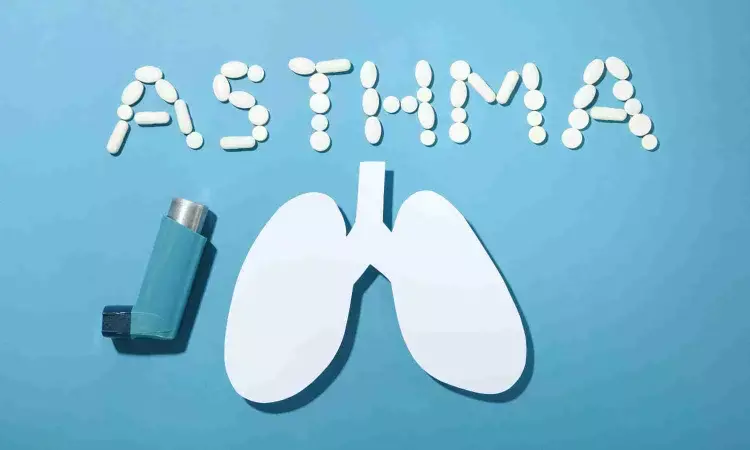


A monthly injection for managing severe asthma could help patients safely reduce or even discontinue daily steroid medications, according to a new phase 3b clinical trial published in The Lancet Respiratory Medicine journal.
Oral corticosteroids (OCS) are powerful medications that help control airway inflammation and asthma symptoms. In the most severe asthma patients, OCS are needed daily. However, long-term use can lead to serious health problems, including osteoporosis, diabetes, and increased vulnerability to infections.
The WAYFINDER study explored the steroid-sparing potential of the biologic treatment Tezepelumab, administered as a subcutaneous injection every 4 weeks. After one year of treatment, nearly 90% of patients were able to reduce their steroid dose to a low dose. More than half of the participants were able to completely stop steroids without experiencing a loss of asthma control. Importantly, these positive effects were observed across various patient groups, indicating that this treatment could benefit a broad range of patients with severe or difficult-to-manage asthma.
In addition to reducing steroid dependence, the treatment significantly improved asthma symptoms, lung function, and overall quality of life. Most patients had fewer asthma-related emergency visits and hospitalisations. These improvements were seen as early as two weeks into treatment and lasted for the duration of the study.
The authors say that by helping control symptoms while minimising steroid use, this approach offers a promising path toward long-term disease remission and improved health outcomes and quality of life for patients with severe asthma.
Reference:
Jackson, David J et al., Oral corticosteroid reduction and discontinuation in adults with corticosteroid-dependent, severe, uncontrolled asthma treated with tezepelumab (WAYFINDER): a multicentre, single-arm, phase 3b trial, The Lancet Respiratory Medicine, DOI:10.1016/S2213-2600(25)00359-5
