Myocarditis Rates Rose Sharply During COVID-19 Pandemic and Remain Elevated: Study
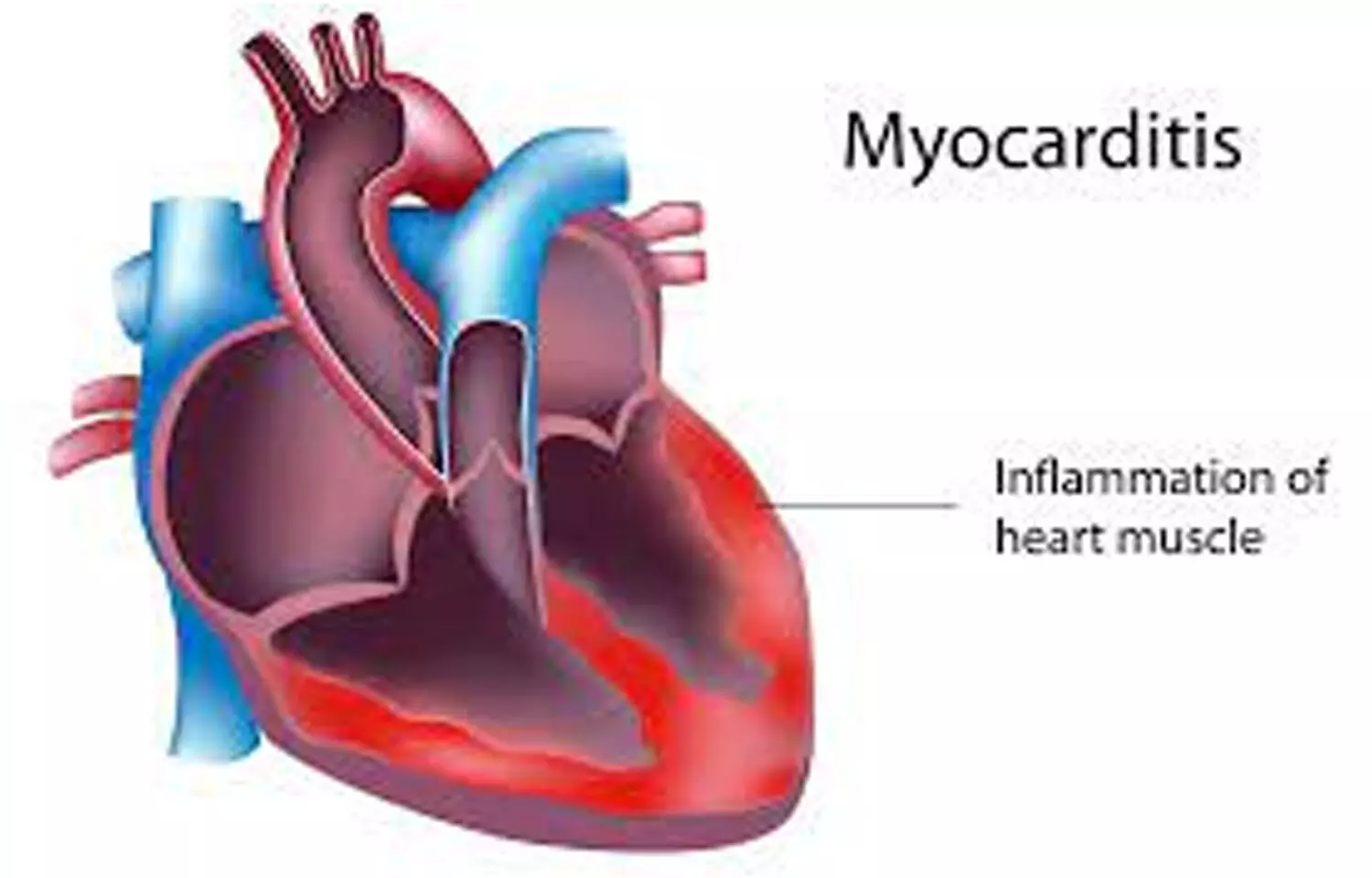


A study published in Catheterization & Cardiovascular Interventions has found that the COVID-19 pandemic was associated with a marked increase in myocarditis cases, with rates remaining persistently elevated afterward. In this retrospective cohort study, researchers from MedStar Washington Hospital Center analyzed electronic health record data from 778 myocarditis patients across 10 hospitals between 2017 and 2024. Myocarditis is an inflammation of the heart muscle that commonly occurs following viral infections. The study was conducted by Ori W. and colleagues.
For a complete analysis of the trends relating to myocarditis over time, a team of medical researchers from different disciplines carried out a highly reputable retrospective cohort study within one of the major urban healthcare systems. Data regarding the medical history of individuals who visited clinics within the years 2017 to 2024 were obtained using the medical data stored in the health care system of MedStar Health System.
Myocarditis diagnoses were then selected by identifying the corresponding ICD-10 codes within the medical database. In order to ensure accurate baseline comparisons, the researchers divided the patient data into three different time periods: pre-pandemic period (2017-2019); peri-pandemic period (2020-2022); and post-pandemic period (2023-2024). Additionally, within the latter two eras, the patients’ conditions were further characterized according to the presence of COVID-19 infection, vaccination status, or idiopathic causes.
Key findings:
- The overall multi-year analysis considered a final group consisting of 778 total unique patients diagnosed with myocarditis and receiving hospital-level treatment.
- This particular group was subdivided based on time into 207 patients who required hospitalization prior to the beginning of the pandemic; 370 patients falling into the period of heavy peri-pandemic myocarditis infection rates; and 201 patients seeking care in the post-pandemic era.
- Overall, the rate of myocarditis cases experienced an extremely sharp rise during the peri-pandemic era to reach a peak during the year of 2022, before experiencing a partial decline over the following cycle of 2023-2024.
- Even while seeing a decrease in the number of cases relative to the peak, the number of myocarditis cases seen in the post-pandemic era 2023-2024 exceeded baseline numbers recorded during the years 2017-2019 by a significant margin.
- Patients admitted during peri- and post-pandemic eras were older and had more cardiometabolic comorbidity conditions.
In summary, the current analysis shows that myocarditis cases have increased significantly during the COVID-19 era because of an increase in myocarditis cases linked to COVID-19 infection, and importantly, myocarditis cases were still relatively high even after the end of the pandemic. The results show unequivocally that the cardiovascular conditions linked to the COVID-19 era are not transient problems but will persist as long-term problems for modern medical practices.
Reference:
O.Waksman, W.Abusnina, B. C.Case, et al., “The Impact of COVID-19 Infection and Vaccination on Myocarditis Incidence: A Comparative Analysis of Pre-, Peri-, and Post-Pandemic Eras,” Catheterization and Cardiovascular Interventions0 (2026): 1-7, https://doi.org/10.1002/ccd.70659.