New Evidence Shows 80% Oxygen May Minimize Atelectasis During Anaesthesia Induction: Study
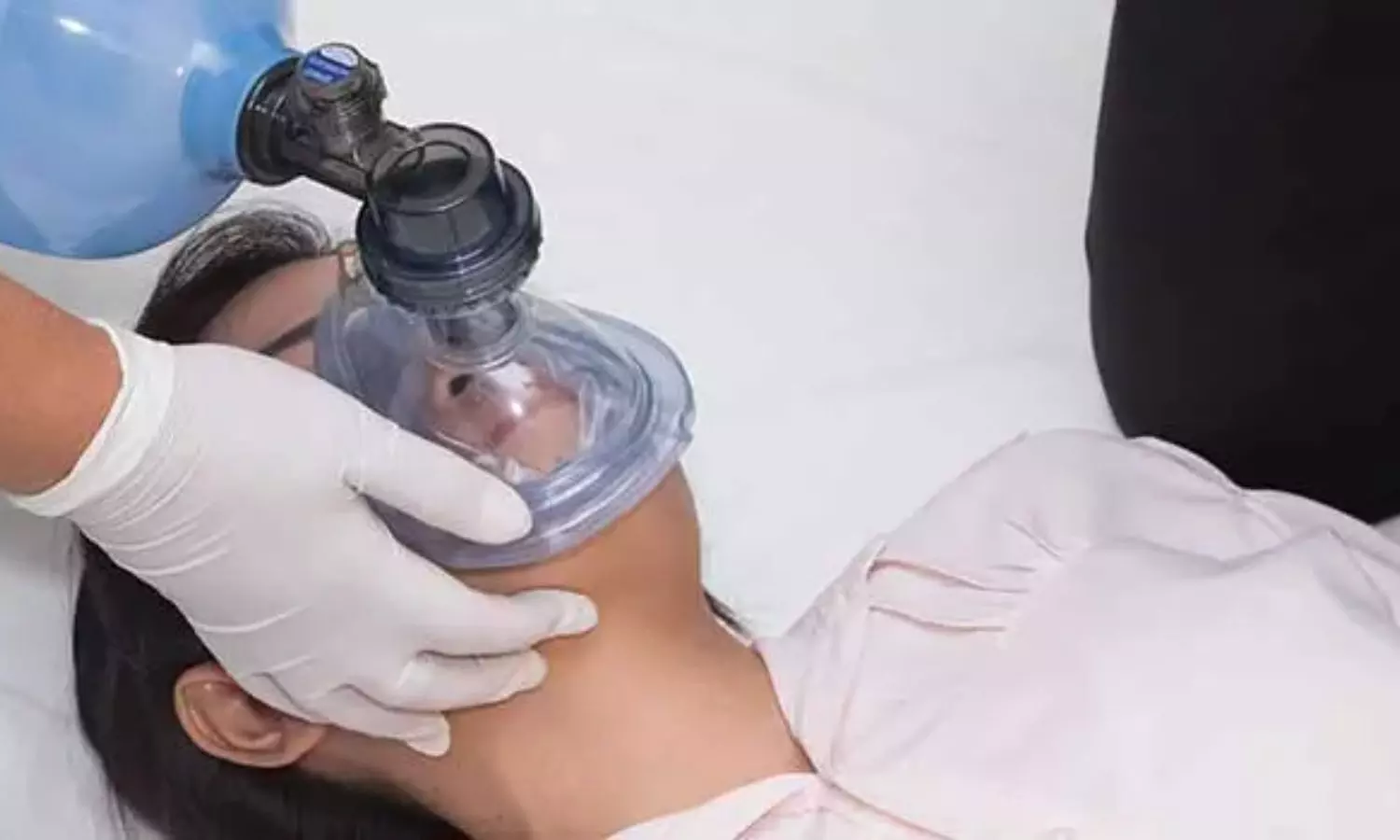


Can a lower inspired oxygen concentration during preoxygenation protect patients from postoperative atelectasis—without sacrificing safety? Preoxygenation with 100% oxygen is routine before general anaesthesia, but it’s linked to a high incidence of absorption atelectasis. This new randomized trial, published in the Indian Journal of Anaesthesia, evaluates whether using 80% oxygen is just as effective and potentially safer.
Study Design: Targeting Adequate Oxygenation Without Excess
This prospective, single-blinded, controlled study enrolled 200 adults scheduled for non-cardiac surgery under general anaesthesia. Patients were randomized to receive preoxygenation with either 80% (Group I) or 100% (Group S) inspired oxygen (FiO₂). The primary outcome was the time to achieve adequate preoxygenation, defined as an end-tidal oxygen (EtO₂) concentration within 10% of the administered FiO₂. Secondary outcomes included the incidence of postoperative atelectasis (detected by lung ultrasound), the proportion needing more than 3 minutes for preoxygenation, haemodynamic changes, and peri-intubation desaturation.
Key Findings: Time to Preoxygenation and Lung Outcomes
Comparable Preoxygenation Times: The median time to adequate preoxygenation was similar for both groups: 95 seconds with 80% oxygen and 99.5 seconds with 100%. The statistical analysis did not confirm formal non-inferiority, but the clinical difference was minimal.
Reduced Atelectasis With 80% Oxygen: Significantly fewer patients in the 80% group developed postoperative atelectasis (8.6%) compared to the 100% group (31.9%), with an absolute risk reduction of over 23%.
No Desaturation or Major Complications: Both groups maintained excellent oxygenation during laryngoscopy and intubation, with no episodes of desaturation or need for rescue ventilation.
Haemodynamics Stable: Heart rate and mean arterial pressure remained comparable between groups at all measured time points.
Clinical Implications: Rethinking Preoxygenation Protocols
While the study did not conclusively prove that 80% oxygen is non-inferior to 100% for preoxygenation time, the observed differences were trivial in real-world practice. Importantly, using 80% oxygen markedly reduced the incidence of postoperative atelectasis—an outcome with clear implications for perioperative lung health. For patients with normal baseline lung function, 80% oxygen may strike a safer balance between adequate oxygen reserve and pulmonary protection.
Conclusion
Preoxygenation with 80% oxygen achieves similar timings to 100% oxygen and results in less postoperative atelectasis, without compromising safety in healthy adults. Larger trials are warranted, but these findings suggest clinicians can consider lower oxygen concentrations to minimize pulmonary complications during anaesthesia induction.
KEY points
Median time to adequate preoxygenation was similar with 80% and 100% oxygen concentrations.
Postoperative atelectasis was significantly lower in patients preoxygenated with 80% oxygen.
No peri-intubation desaturation or need for rescue ventilation was observed in either group.
Haemodynamic parameters remained stable and comparable between groups.
80% oxygen may be a safer preoxygenation strategy for patients without respiratory compromise.
Citation:
Poornima GV, Pratyusha AC, Prasad CH, Gopinath R, Ravula RK, Sharanya R. A randomised trial comparing 80% and 100% inspired oxygen concentrations for time to adequate preoxygenation using end-tidal oxygen concentration targets. Indian Journal of Anaesthesia. 2026;70(8):898-904. DOI: 10.4103/ija.ija_216_2.