Nirsevimab Lowers RSV Hospitalizations More Than Maternal Vaccination: JAMA
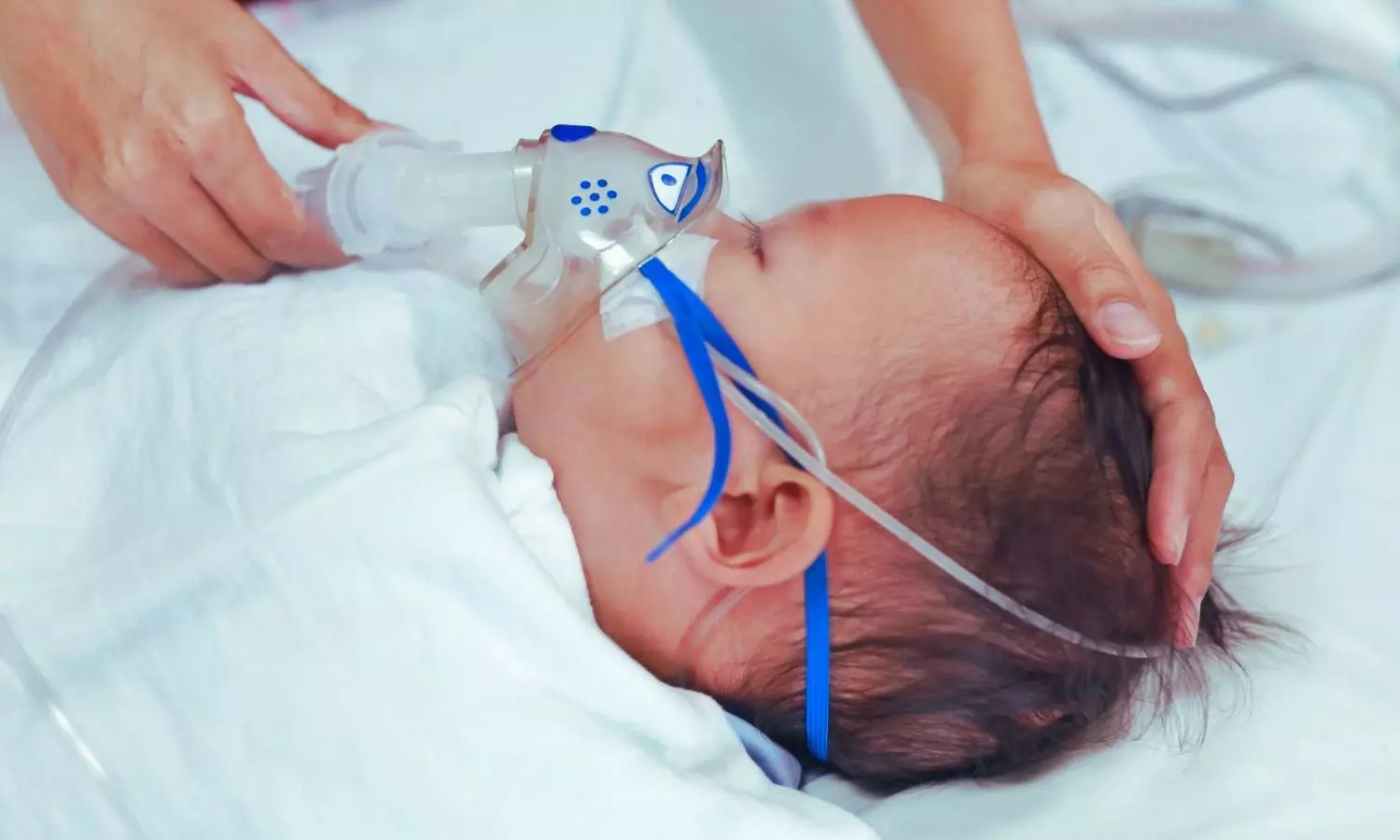


According to a new study, respiratory syncytial virus (RSV) is a major contributor to infant admissions into the hospital. The comparative effectiveness of the 2 newest approaches for prevention (infant immunization via placental antibody transfer after maternal vaccination with the RSV prefusion F protein [RSVpreF] vaccine and passive infant immunization with nirsevimab) is unknown. This study was published in JAMA by Marie-J and colleagues.
This study aimed to examine the associations of maternal vaccination with the RSVpreF vaccine in comparison to passive infant immunization with nirsevimab in the context of the prevention of hospitalization due to RSV. Data for this population-based cohort study came from the French National Health Data System. Influenza RSVpreF vaccine administration to the mother was between 32 to 36 weeks of gestation for infants born in mainland France between the 1st of September through the 31st of December 2024. Passive immunization with nirsevimab was administered before hospital discharge. Children were 1:1 matched for date of discharge from the maternity ward, sex, gestational age, and region. Follow-up was stopped either at the RSV hospitalization or death, or on the 28th of February 2025.
The primary outcome measure was the rate of hospitalization due to RSV infection with lower respiratory tract infection. Secondary outcomes were the incidence of intensive care unit admission for the children with RSV infection admitted to the pediatric intensive care unit, high-dependency unit, use of the ventilator, and oxygen therapy. Hazard ratios were estimated through conditional Cox models with inverse probability weighting.
Key findings
• A total of 42,560 infants (average age of 3.7 [SD 1.4] days; 51.7% were male) were studied (21,280 patients in each group) with a median follow-up duration of 84 days (interquartile range 70-99).
• Among 481 hospitalizations for RSV-related lower respiratory infection, there were 212 (44.1%) in the nirsevimab group compared with 269 (55.9%) in the RSVpreF vaccine group (difference between groups, −11.8%; 95% CI, −18.1% to −5.5%).
• Compared with the RSVpreF vaccine, a lower risk of hospitalization for RSV-related lower respiratory infection with passive infant immunization with nirsevimab was observed (adjusted HR 0.74; 95% CI 0.61-0.88).
• Compared with the RSVpreF vaccine, passive infant immunization with nirsevimab was associated with a lower risk of severe outcomes including admission to PICU (adjusted HR 0.58; 95% CI 0.42-0.80), requirement for ventilation (adjusted HR 0.57; 95% CI 0.40-0.81), or requirement for oxygen therapy (adjusted HR 0.56; 95% CI 0.38-0.81).
In comparison with maternal immunization with the RSVpreF vaccine, passive immunization with nirsevimab reduced risks of RSV hospitalization and RSV-related adverse outcomes in infants.
Reference:
Jabagi M, Bertrand M, Gabet A, Kolla E, Olié V, Zureik M. Nirsevimab vs RSVpreF Vaccine for Respiratory Syncytial Virus–Related Hospitalization in Newborns. JAMA. Published online December 22, 2025. doi:10.1001/jama.2025.24082