
Obstructive Sleep Apnoea Management Needs Shift Toward Precision Medicine: January 2026, Sleep Medicine Review Proposes
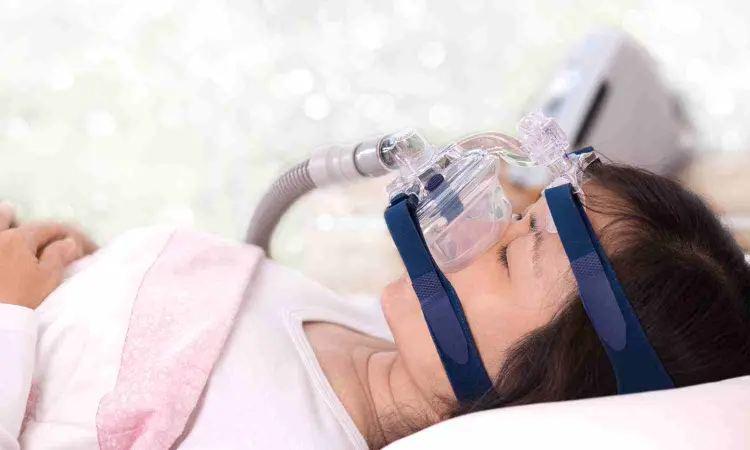


A recent narrative review suggests that traditional metrics like the Apnoea-Hypopnoea Index (AHI) are insufficient for managing Obstructive Sleep Apnoea (OSA). Researchers advocate for a transition toward precision medicine, utilizing novel biometrics and Artificial Intelligence (AI) to better predict cardiovascular risks.
These findings are published in January 2026, in Sleep Medicine.
The Global Challenge of Sleep-Disordered Breathing
OSA is a chronic condition affecting up to 49% of men and 23% of women, leading to significant clinical and socio-economic burdens. Beyond daytime sleepiness, it is closely linked to cardiometabolic pathologies, cognitive impairment, and stroke. Current treatment standards often rely on Continuous Positive Airway Pressure (CPAP), but recent Randomized Controlled Trials (RCTs) have yielded neutral results regarding secondary cardiovascular prevention, prompting a re-evaluation of how patients are selected and monitored.
Seminar and Research Overview
The narrative review states that in January 2024, the European Respiratory Society (ERS) hosted a research seminar in Lisbon, Portugal, titled "Sleep Apnoea and Its Consequences: From Animal Models to Precision Medicine." This event brought together international experts to analyze the current landscape and future directions of research. The resulting review explores the integration of animal models—which isolate the effects of intermittent hypoxia—multi-omics, and advanced diagnostic algorithms to move beyond the simplistic AHI. The goal is to develop a multifaceted approach that personalizes management based on individual patient profiles derived from polysomnography (PSG).
The key findings from the review include:
• Conventional metrics like the AHI insufficient to capture the complex pathophysiological mechanisms and the heterogeneous nature of the disease.
• Novel markers such as Hypoxic Burden (HB), Delta Heart Rate (dHR), and the Pulse Wave Amplitude Drop Index (PWADi) provide superior prediction of cardiovascular outcomes and treatment response.
• Artificial Intelligence (AI) and deep learning techniques can integrate raw sleep signals to produce more accurate global risk estimators than traditional statistical models.
• Precision medicine requires distinguishing between endotypes (underlying biological mechanisms) to determine how to treat and phenotypes (observable clinical traits) to identify who to treat.
Clinical Relevance and Targeted Prevention
For practicing physicians, this review highlights that managing OSA requires moving beyond a "one-size-fits-all" approach. The identification of high-risk patients should utilize markers related to autonomic dysfunction and oxygen desaturation severity rather than just frequency of events. Integrating multi-omics and AI into clinical practice will allow for more precise risk stratification. Furthermore, the shift toward platform trials and real-world data analysis will be essential to validate the efficacy of both CPAP and emerging non-CPAP alternatives, such as pharmacological therapies or lifestyle interventions. Overall, focusing on personalized phenotypes will ensure that therapeutic interventions are targeted toward those most likely to experience significant cardiovascular benefits and improved long-term outcomes.
Reference
Heinzer R, Pepin JL, Ryan S, et al. Sleep apnoea and its consequences: from animal models to precision medicine. Sleep Medicine. 2026 Jan 8
