
Occupational Asthma Prevalence among Auto Paint Shop Workers, Finds Study
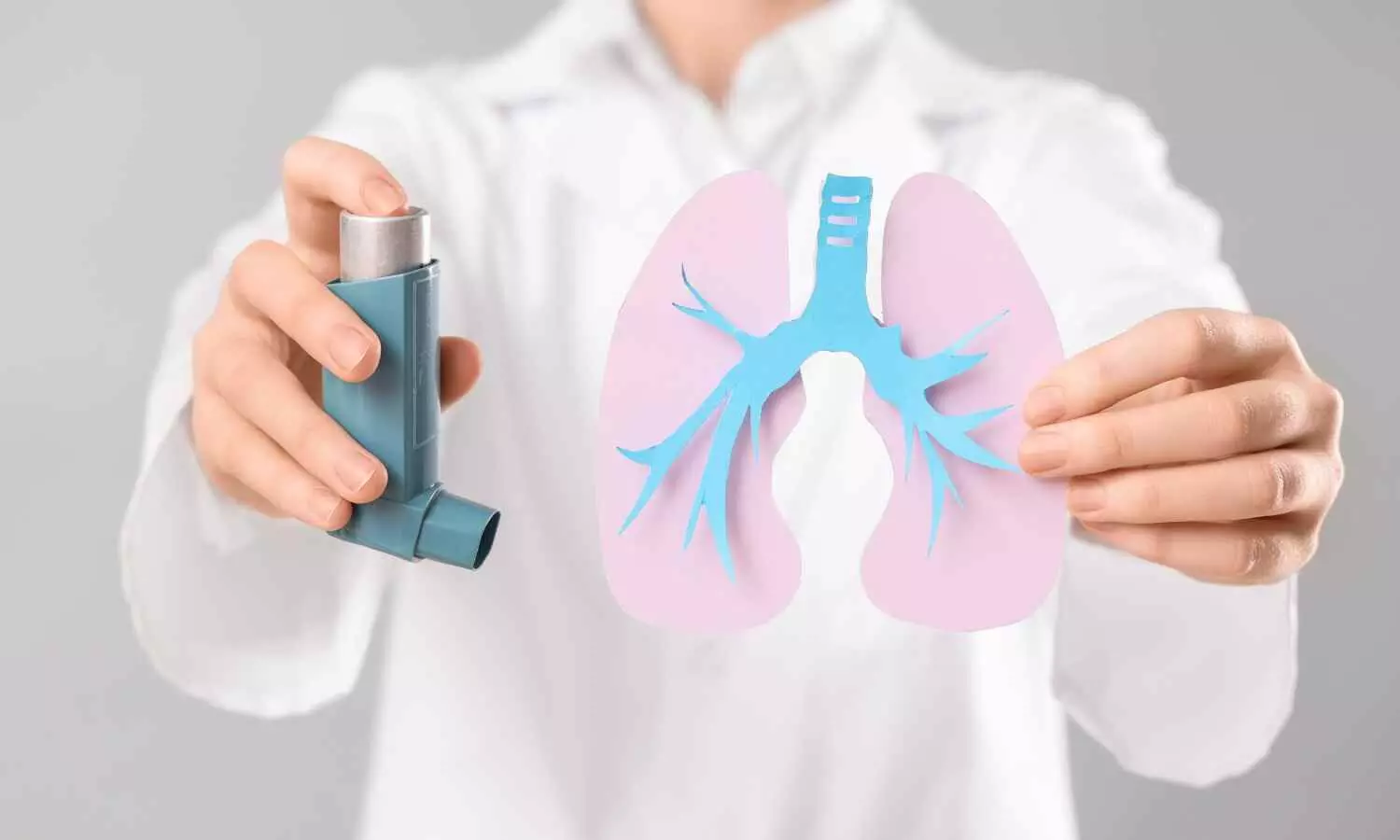


A recent cross-sectional study in the Indian Journal of Chest Diseases and Allied Sciences reveals an alarming respiratory crisis among industrial workers, diagnosing 13.1% with occupational asthma. Shockingly, nearly half of these workers suffer from obstructed breathing driven by prolonged chemical exposure and inadequate protective gear.
While OA triggered by volatile organic compounds (VOCs) and isocyanates is a recognized global health concern with a high incidence in developed nations, substantial clinical gaps remain in low-resource settings like India due to severe underreporting, a lack of routine occupational health surveillance, and insufficient worker education. Addressing this crucial surveillance deficit, Dr. Narayan Mood and colleagues from the ESIC Medical College Hospital in Hyderabad conducted a study aiming to assess the prevalence of respiratory morbidity, evaluate pulmonary function impairments, and determine how exposure duration and personal protective equipment (PPE) adherence impact airway health among automobile paint shop workers.
Therefore, over three months, researchers evaluated 130 healthy automobile paint workers in Hyderabad using questionnaires, workplace observations, and lung function tests. The study assessed how chemical exposure duration and protective equipment usage impacted their risk of occupational asthma, respiratory symptoms, and airflow limitations.
Key Clinical Findings of the Study Includes:
Symptom Prevalence: Investigators found that a substantial proportion of the workforce suffered from chronic respiratory issues, notably cough (35.4%), breathlessness (29.2%), and wheezing (23.1%).
Spirometric Impairments: Researchers observed marked pulmonary function deficits, with 49.2% of workers displaying obstructive patterns, 41.5% showing reduced forced expiratory volume in 1 second (FEV1), and 36.9% presenting with a low forced vital capacity (FVC).
Exposure Duration Impact: Scientists demonstrated a dose-response deterioration in lung health, where individuals with over a decade of exposure had significantly lower mean FEV1 scores compared to those with less than five years of chemical exposure.
Workplace Awareness: Academics noted that while 55.4% of the workers were aware of chemical hazards and utilized spray booths to limit inhalation, compliance remained variable, with only 34.6% correctly utilizing specialized full protective clothing.
Protective Equipment Efficacy: Authors highlighted a stark contrast in morbidity rates, noting that workers exposed to hazardous chemicals without proper gear had a 55.3% rate of respiratory illness, compared to just 11.1% among those consistently utilizing comprehensive protective equipment.
The results suggest that respiratory symptoms and quantifiable lung function impairments are alarmingly prevalent among automobile paint shop workers, with a 13.1% confirmed OA rate closely tied to extended chemical exposure. Furthermore, these detrimental respiratory outcomes are significantly exacerbated in the substantial subset of the workforce lacking strict adherence to specialized PPE.
Thus, the study concludes that healthcare providers have the practical necessity of integrating routine spirometric screening, targeted respiratory health surveillance, and strict protective equipment education into occupational safety protocols for individuals exposed to hazardous airborne chemicals.
While the cross-sectional design limits the ability to establish definitive causality and self-reported metrics may introduce recall bias, there is a mild invitation for future longitudinal research that accounts for unmeasured confounders like indoor air quality and preexisting comorbidities to further illuminate these occupational respiratory risks.
Reference
Mood N, Darivemula SB, Gowda BC, et al. Prevalence of Occupational Asthma among the Paint Workers in the Automobile Manufacturing Industry of Hyderabad: A Cross-sectional Study. Indian J Chest Dis Allied Sci 2026;68(2):51–57.
