Perioperative Diaphragmatic Ultrasound Reliable for Guiding Extubation and Reducing Pulmonary Complications: Study
Sudhir Rajpal Orders Inspections on MTP and Ultrasound Centers


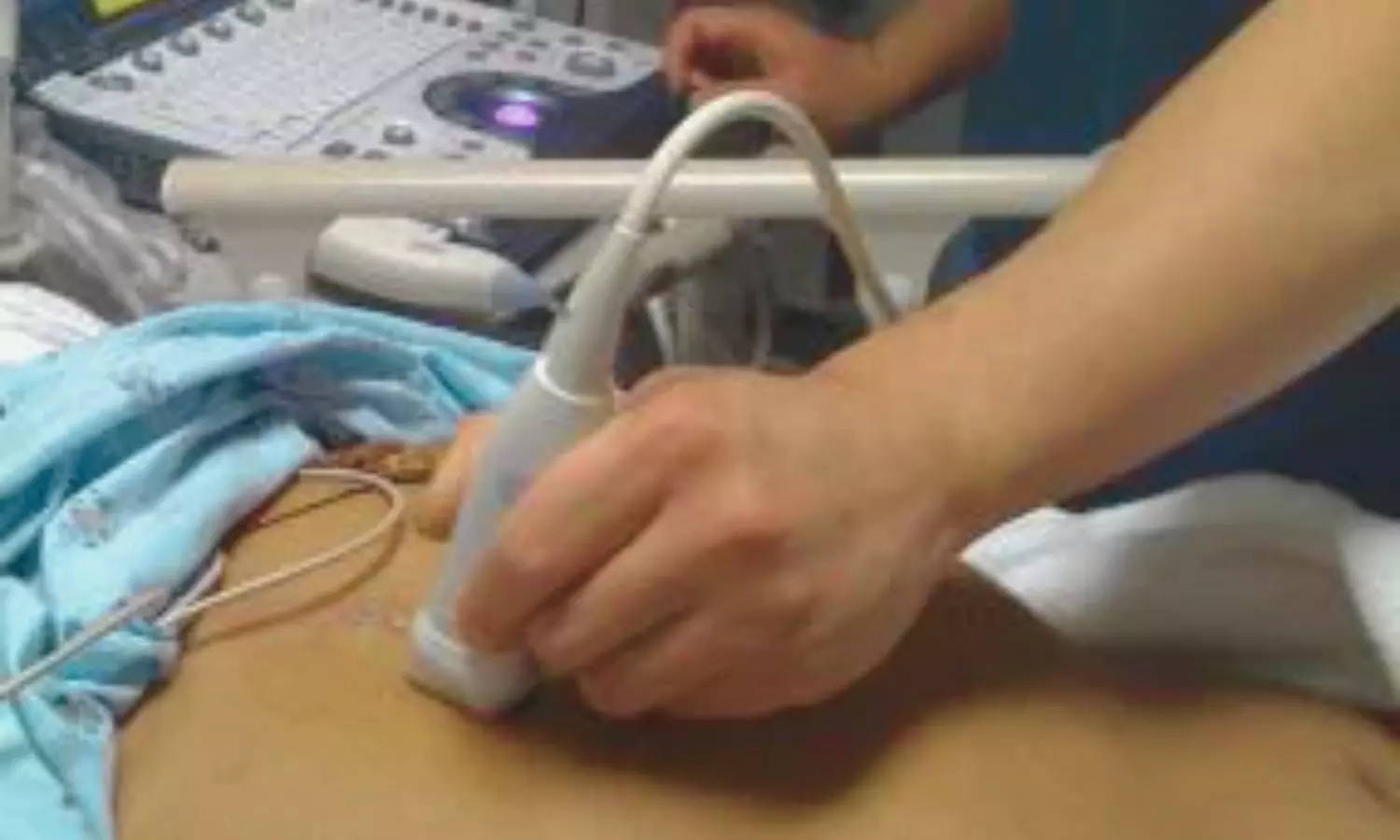
How can we optimize extubation and minimize lung complications in patients with chronic hemidiaphragm paresis undergoing brachial plexus repair? A new prospective study in the Journal of Anaesthesiology Clinical Pharmacology explores the role of perioperative diaphragmatic point-of-care ultrasound (PDPOCUS) as a reliable bedside tool for this challenging scenario.
Why Diaphragm Assessment Matters in Brachial Plexus Repair
Brachial plexus injuries (BPIs), often the result of high-velocity trauma, sometimes involve the phrenic nerve, leading to hemidiaphragm paresis. While many patients compensate well at baseline, surgery and anesthesia can further compromise diaphragm function, raising the risk of difficult extubation and postoperative pulmonary complications (PPCs).
Study Design: Prospective Ultrasound Monitoring
This prospective observational study included 60 patients with chronic hemidiaphragm paresis scheduled for brachial plexus repair under propofol-dexmedetomidine total intravenous anesthesia (TIVA), omitting muscle relaxants. Ultrasound was used to measure diaphragm excursion (DE), thickness (DT), and thickening fraction (DTF) on both sides, preoperatively and immediately before extubation. Patients were monitored for signs of PPCs—including desaturation, respiratory failure, and radiologic changes—over three days post-op.
Key Findings: Low Complication Rates and Reliable Ultrasound Assessment
All patients had lower diaphragm function parameters on the affected side, confirming chronic paresis.
The unaffected side showed a small but statistically significant postoperative drop in some diaphragm metrics, but values remained within normal limits—indicating no new dysfunction.
Only 2 out of 60 patients (3.3%) developed transient desaturation postoperatively, both recovering with conservative oxygen therapy and without reintubation.
No significant differences in BMI or surgical duration were found between patients who developed PPCs and those who did not.
Clinical Implications: POCUS as a Perioperative Game-Changer
This study demonstrates that perioperative diaphragmatic ultrasound is a practical, noninvasive tool to objectively assess diaphragm function and guide safe extubation in high-risk patients. The use of propofol-dexmedetomidine TIVA and avoidance of muscle relaxants, combined with meticulous microsurgical technique, likely contributed to the low rate of pulmonary complications observed.
Conclusion
Perioperative diaphragmatic point-of-care ultrasound is a valuable tool for assessing and monitoring diaphragm function in patients with preexisting hemidiaphragm paresis undergoing brachial plexus repair. Its use, alongside TIVA and careful surgical technique, supports safe extubation and a low risk of pulmonary complications in this population.
KEY points
Diaphragm ultrasound reliably detects dysfunction and guides extubation decisions in patients with hemidiaphragm paresis.
Propofol-dexmedetomidine TIVA preserves diaphragm function and minimizes pulmonary complications.
Only 3.3% of patients developed transient pulmonary complications, all managed conservatively.
No new dysfunction occurred in the unaffected hemidiaphragm postoperatively.
Larger studies are needed, but perioperative POCUS shows promise for broader perioperative respiratory risk management.
Citation: Geetha S, Jayaram K, Durga P. Role of perioperative diaphragmatic point-of-care ultrasound in assessing postoperative pulmonary complications in brachial plexus repair surgeries with preexisting hemidiaphragm paresis: A prospective observational study. Journal of Anaesthesiology Clinical Pharmacology. 2026;42(3):430-436. DOI: 10.4103/joacp.joacp_767_25