What are Predictors of Progressive Lung Function Decline in Children With Controlled Asthma?
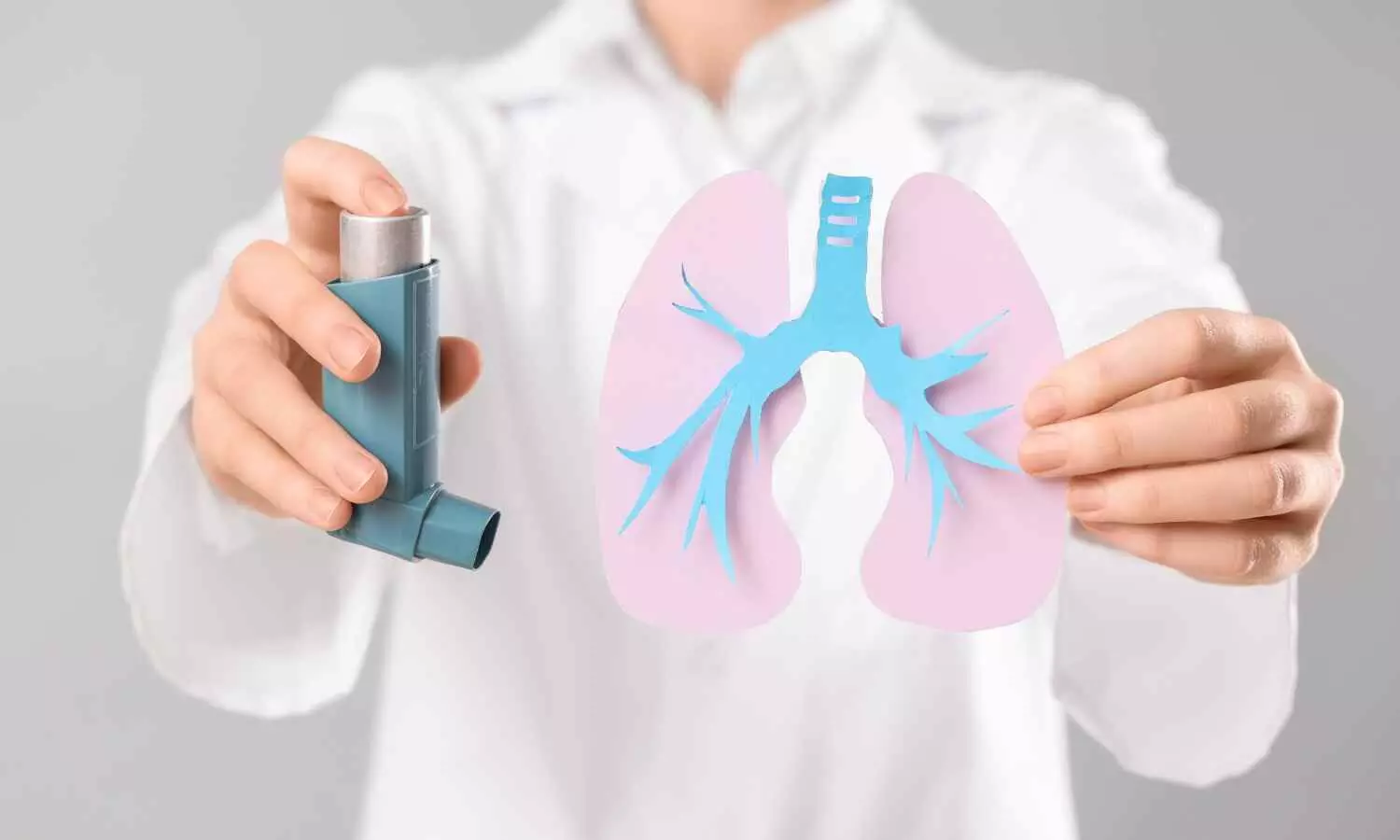


A new study published in the journal of BMC Pulmonary Medicine showed that some children with asthma continued to have a gradual deterioration in lung function over time, even after attaining satisfactory symptom management.
The main goals of pediatric therapy for asthma are symptom management and preventing exacerbations. But concentrating only on clinical symptoms may obscure underlying pathophysiological alterations. According to recent research, children with symptom-free or well-controlled asthma may nonetheless have aberrant pulmonary function trajectories.
These pediatric patients frequently have a quiet, gradual loss in lung function or fail to attain peak lung capacity by early adulthood, despite clinical stability. It is vital to comprehend these diverse spirometric trajectories. To avoid major, long-term, irreversible respiratory problems, it highlights the limitations of symptom-based treatment alone and the necessity of routine lung function monitoring. Thus, this study evaluated the lung function trajectory of the children and examined the influencing variables.
The effects of age, gender, immunoglobulin E (IgE), body mass index (BMI), eosinophil count, fractional exhaled nitric oxide (FeNO), and other factors on the pattern of pulmonary function were examined. Three anticipated FEV1 trajectory clusters were found among the 1931 children: continuous downward trend (32.16%), downward trend but near average (32.88%), and downward trend followed by an upward trend (34.96%).
The first, second, and third clusters of the three distinct trajectories showed 432 (7.22%), 210 (3.96%), and 327 (3.12%) detections below the cut mark, respectively. Additionally, they varied by FeNO level, lymphocyte count, time between asthma diagnosis and first onset, and onset age at enrollment. In terms of FEV1/FVC% pred, 1633 out of 1931 children (84.57%) displayed a saddle-shaped pattern: a slow initial increase followed by a significant fluctuation before returning to normal.
The remaining 298 youngsters (15.43%) had a steady rising trend. Of the 1858 patients whose MEF25% pred was finished, 377 (20.29%) had a higher MEF25% pred, 419 (22.55%) children had a trajectory that was close to the average level, and 1062 (57.16%) children had a trajectory that was below the average and eventually caught up.
BMI, lymphocyte count, FeNO, time gap of delayed diagnosis, and onset age were all linked to changes in lung function, according to multiple logistic analysis. Overall, lung function continued to deteriorate in some kids with symptom-controlled asthma. BMI, lymphocyte count, FeNO, time gap of delayed diagnosis, and beginning age were all strongly correlated with the decline in lung function.
Source:
Wei, X., Xue, M., Fan, B., Liu, Y., Wang, J., Liu, M., Zhang, Y., & Ma, X. (2026). Pulmonary function trajectories in children with symptom-controlled asthma —a 10-year retrospective cohort study in China. BMC Pulmonary Medicine. https://doi.org/10.1186/s12890-026-04442-5