Health Ministry highlights national guidelines to prevent hospital-acquired infections
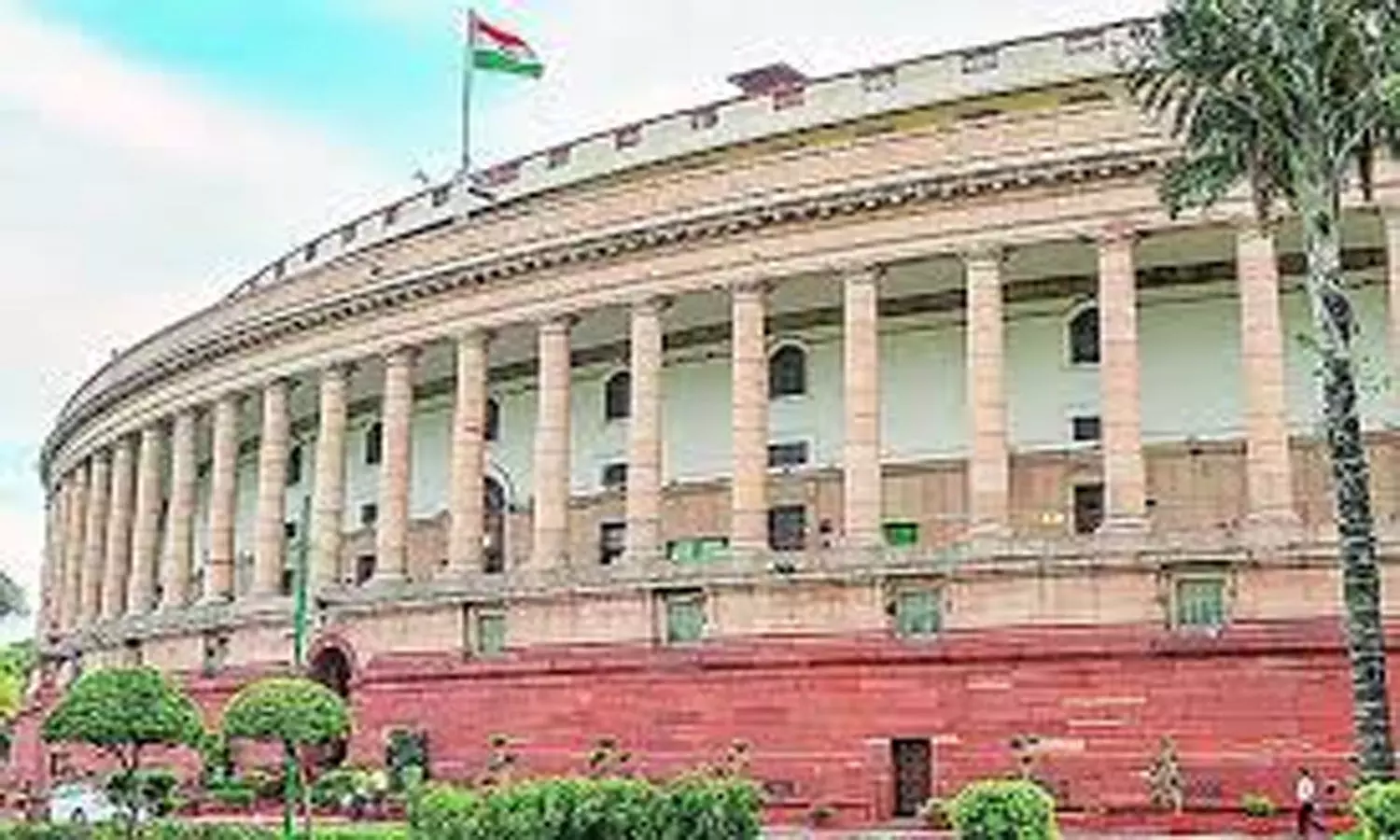


Delhi: The Ministry of Health and Family Welfare has issued the National Guidelines for Infection Prevention and Control in Healthcare Facilities to mitigate risks related to Healthcare-Associated Infections (HAIs), informed Minister of State for Health and Family Welfare, Shri Prataprao Jadhav, in a written reply during a recent Rajya Sabha session.
Jadhav stated that the Centre has also issued various guidelines and standards for ensuring quality of healthcare services, infection prevention and control, biomedical waste management, periodic quality audits and patient safety, including the National Quality Assurance Standards (NQAS), Kayakalp Guidelines, and Indian Public Health Standards (IPHS).
Also Read:Over 9,000 Serious Adverse Events Reported in India Clinical Trials in 5 Years: Govt Data
The information was shared in response to questions raised by MP Dr Ajeet Madhavrao Gopchade, who sought to know whether Government is aware that there is no uniform national policy prescribing the maximum permissible number of surgical procedures per day in an Operation Theater (OT), and whether this has raised concerns regarding infection control; whether Government has examined reports of post-operative infections and patient deaths allegedly associated with excessive surgical workload, and whether existing practices conform to the safe surgery guidelines of the WHO.
He also asked whether Government proposes to prescribe mandatory minimum intervals between consecutive surgeries; and whether Government proposes to mandate declaration of OT capacity based on infrastructure and type of surgeries, along with periodic compliance audits in hospitals?
Responding to the questions, the Minister said that ‘Public Health’ & ‘Hospitals’ are State subjects. It is primarily the responsibility of the respective State/Union Territory (UT) Governments to ensure provision of quality healthcare services, including patient safety and infection prevention and control in hospitals under their jurisdiction.
He also noted that the Operational Guidelines for Operation Theatre Complex issued by this Ministry, under the IPHS 2022 framework, provide comprehensive recommendations for planning, design, operation, infection prevention and quality assurance of OT complexes in public health facilities.

ICMR released guidelines on Infection control in hospitals in 2016 to facilitate hospitals in developing infection control programs, which are available at: https://www.icmr.gov.in/icmrobject/custom_data/pdf/resource-guidelines/Hospital_Infection_con trol_guidelines.pdf. Adverse events, including healthcare-associated infections, are monitored and managed by the concerned healthcare institutions and the respective State/UT Governments in accordance with applicable rules, guidelines and institutional mechanisms, added the Minister.