Medical equipment worth Rs 450 crore lies unused in Kerala Government Hospitals: Report
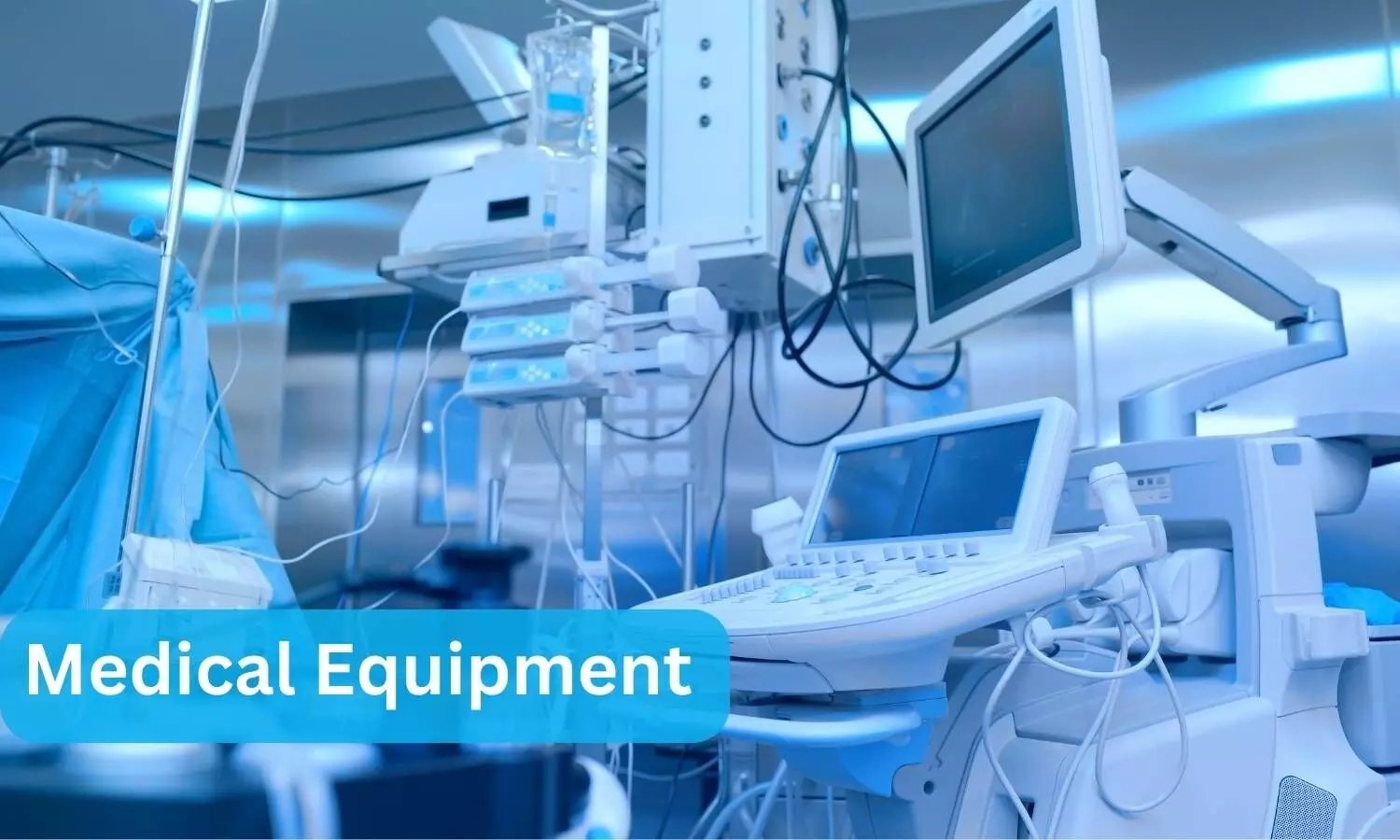
Medical equipment


Thiruvananthapuram: Medical equipment worth approximately Rs 450 crore has reportedly remained unused in government hospitals across Kerala, raising concerns over the utilisation of public funds, procurement procedures and accountability within the healthcare system.
An official report submitted by the State Health Department to its parent ministry earlier this week revealed that large quantities of equipment, including ventilators, dialysis machines, digital X-ray units and mammography machines, have reportedly not been put to use in government hospitals and medical colleges. According to the report, as many as 1,252 pieces of equipment are lying unused across 215 hospitals. In addition, 222 units have yet to be installed, with some reportedly remaining unopened.
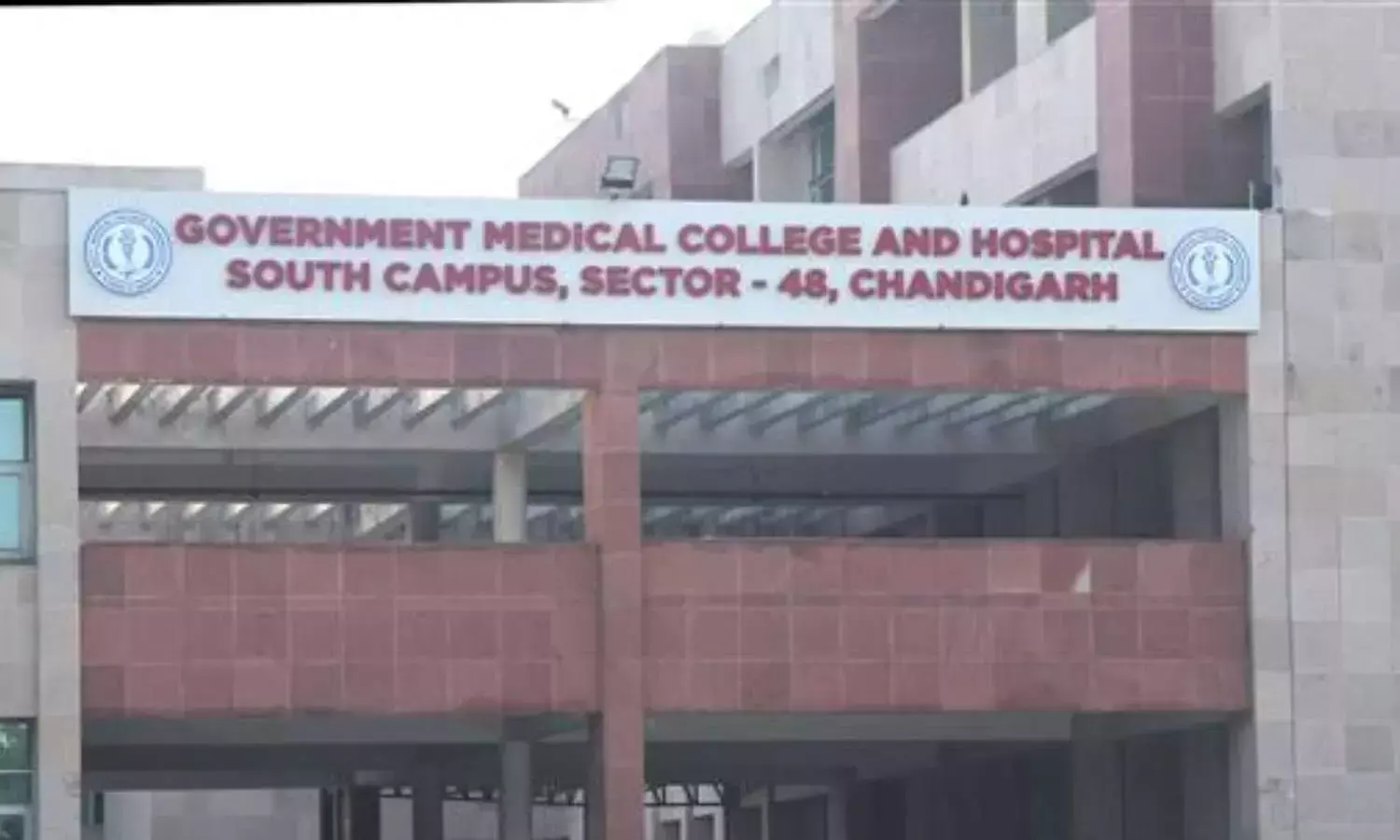
The revelation comes only days after reports highlighted a serious shortage of essential medicines in state-run hospitals, adding to concerns over the management of public healthcare services.
The situation has drawn attention to the apparent waste of substantial public resources, particularly when expensive medical devices intended to improve patient care are not being utilised. Despite the availability of such equipment, many government hospitals continue to refer economically disadvantaged patients to private hospitals and diagnostic centres for treatment and medical tests.
The findings have also prompted questions about the effectiveness of equipment procurement and installation processes, as well as the responsibility of officials overseeing these operations. Concerns have been raised over possible conflicts of interest, including allegations of potential collusion between individuals involved in large-scale purchases and medical equipment manufacturers for personal or financial benefits. However, the report's revelations have brought these concerns into focus without, by themselves, establishing any wrongdoing, reports the daily.
The continued non-use of costly medical equipment, alongside shortages of essential medicines, has intensified scrutiny of healthcare administration in Kerala and highlighted the need for greater accountability in ensuring that public investments translate into accessible and effective patient care. State health minister K Murlidharan, who inquired into the details, stated, “Most of this equipment was purchased over the last ten years.”
According to the daily, previously, the public health sector of Kerala was under fire regarding the actions of its key procurement agency, Kerala Medical Services Corporation Ltd (KMSCL), and many other allegations were also raised against several senior health department officials and other decision makers, including ministers and political leaders; however, this kind of misuse of funds falls under the scope of systemic lapse, and any such lapse was not reported previously.
The Daily pointed out that before justifying the purchase, the investigators had to prove that the purchase of the equipment was in line with the genuine needs of medical equipment in the facilities, the prices were also in line with the budget, and the procurement procedures were systematic and properly done. The role of relevant authorities in verifying the hospital's infrastructure before allowing the purchases should also be analysed properly. While a benefit of the doubt to facilities can be given for such purchases during COVID, as an immediate requirement for the purchase of large quantities of medical equipment and consumables may arise.
During the COVID-19 pandemic in 2020–21, the health department often had to place orders for ventilators, personal protective equipment (PPE) kits and oxygen cylinders from various vendors at short notice and, in some cases, at higher prices due to the urgent requirement. But such is not the case under normal circumstances. Hence, the procedures must be properly analysed, and the cause should be well established.
“Those were times when saving patients’ lives was the priority. Alongside routine procurement through the KMSCL, we also constituted a core committee, chaired by the Chief Secretary and comprising the Industrial Secretary and other senior IAS officers, senior medical officials and technocrats, to undertake emergency procurement,” former health minister K. K. Shailaja told the daily.
Joseph C Mathew, a senior political observer, told The New Indian Express, “One of the serious concerns surrounding these reported hospital procurements is the possibility of large-scale corruption or conflicts of interest in the deals. I see a high probability of government-industry collusion, or a nexus among key decision-makers, resulting in undue personal benefits.”
Former Health Minister KK Shailaja clarified that procurement of costly medical equipment like Cath Labs, MRI, and CT scanners is done with separate funds allocated at the time of setting up a new hospital or medical college. “What is important now is to examine facilities where medical equipment was genuinely required and purchased but has not been installed, as well as identify machines that have not been properly maintained and need repairs. They must be put to proper use,” she stated.

Along with reports of unused medical equipment accumulating in government hospitals, another major concern being raised is the acute lack of trained technicians to operate them. “Often, delays in appointing the required staff are deliberate. The failure to install or properly maintain the machines may also be part of a nexus between the administrations of public hospitals and private medical service providers operating in the respective markets,” officials from several hospitals who spoke told TNIE