1 in 5 Patients Experience ECG Changes During Noncardiac Surgery—Who’s Most at Risk?
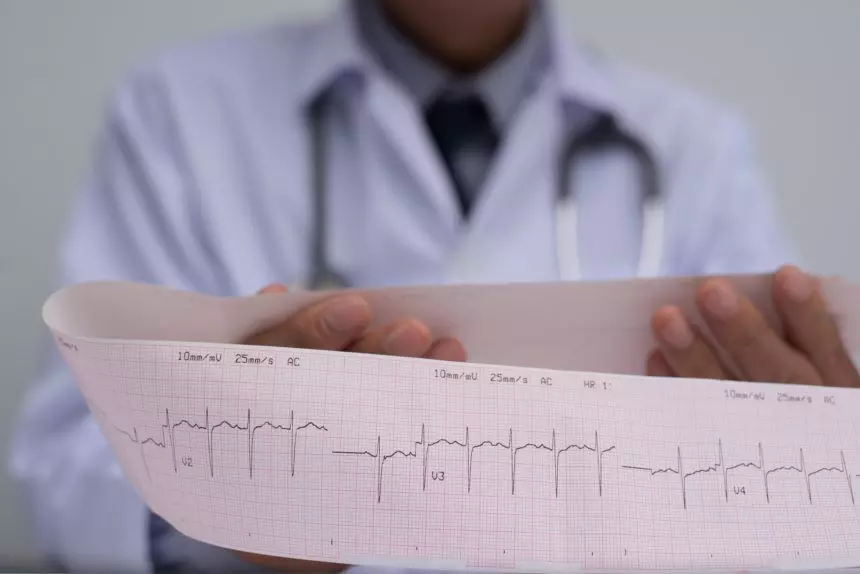


Would you expect nearly 20% of your noncardiac surgical patients to experience significant intraoperative ST-segment changes—even without overt cardiac events? New research in the Annals of Cardiac Anaesthesia sheds light on the frequency, predictors, and clinical implications of these ECG alterations under general anesthesia.
Study at a Glance: Who, What, and How
This prospective observational study enrolled 102 adults undergoing elective noncardiac surgery under general anesthesia. Continuous five-lead ECG monitoring was performed throughout the perioperative period to detect ST-segment changes—an early indicator of myocardial ischemia (reduced blood flow to the heart muscle).
Researchers tracked patient demographics, comorbidities (like hypertension and diabetes), surgical details, and hemodynamic parameters (such as blood pressure and heart rate). ST-segment changes greater than 0.1 mV were considered significant and analyzed for associations with clinical factors.
Key Findings: Prevalence and Predictors
Incidence: About 1 in 5 patients (19.6%) exhibited significant intraoperative ST-segment changes, the majority being transient and resolved with basic interventions (like fluid administration).
Risk Factors: Hypertension and diabetes mellitus stood out as strong, independent predictors of ST-segment changes, with odds ratios of 3.2 and 2.9, respectively.
Surgery Type: Major procedures carried a higher risk of ST-segment depression compared to minor surgeries.
Hemodynamics: Although blood pressure often dropped post-induction, there was no direct statistical correlation between the extent of blood pressure change and ST-segment alterations.
Clinical Implications: So What for Practice?
Most ST-segment changes during surgery were transient and did not result in myocardial infarction or persistent arrhythmia. The study reinforces the importance of vigilant intraoperative ECG monitoring, especially for patients with hypertension, diabetes, or those undergoing major surgery.
While significant blood pressure fluctuations are common under anesthesia, they alone did not predict ST-segment changes in this cohort. The findings suggest that pre-existing cardiovascular risk factors deserve particular attention, and a transient ECG change does not necessarily signal lasting myocardial injury.
Limitations and Future Directions
The authors note that postoperative troponin levels were not measured and follow-up did not include long-term cardiac outcomes. Additionally, the small sample size and use of five-lead ECG may have underestimated the true incidence, especially of silent or posterior ischemia. Larger studies with comprehensive postoperative biomarker assessment and extended monitoring are needed to clarify the long-term significance of intraoperative ST-segment changes.
Conclusion:
Intraoperative ST-segment changes are not uncommon during noncardiac surgery under general anesthesia and are primarily associated with hypertension, diabetes, and major surgical procedures. Most changes are brief and manageable, but patients with high-risk profiles warrant extra vigilance and possibly more extensive monitoring.
Key Points
Nearly 1 in 5 patients had significant ST-segment changes during noncardiac surgery under general anesthesia.
Hypertension and diabetes independently predicted ST-segment alterations.
Major surgeries showed more frequent ST-segment changes than minor procedures.
Most ECG changes were transient and resolved with simple interventions—no myocardial infarction or arrhythmia was observed.
Ongoing research with biomarker follow-up is needed to determine the true clinical significance of these findings.
Citation:
Gilani MT, Mafi N, Mashhadi L, Kakhki SSA. Incidence and associated factors of ST-segment changes in noncardiac surgery under general anesthesia. Ann Card Anaesth. 2026;29:352-8. doi:10.4103/aca.aca_243_25