Bariatric Surgery Associated With Higher Long-Term Risk of Depression and Anxiety, suggests study
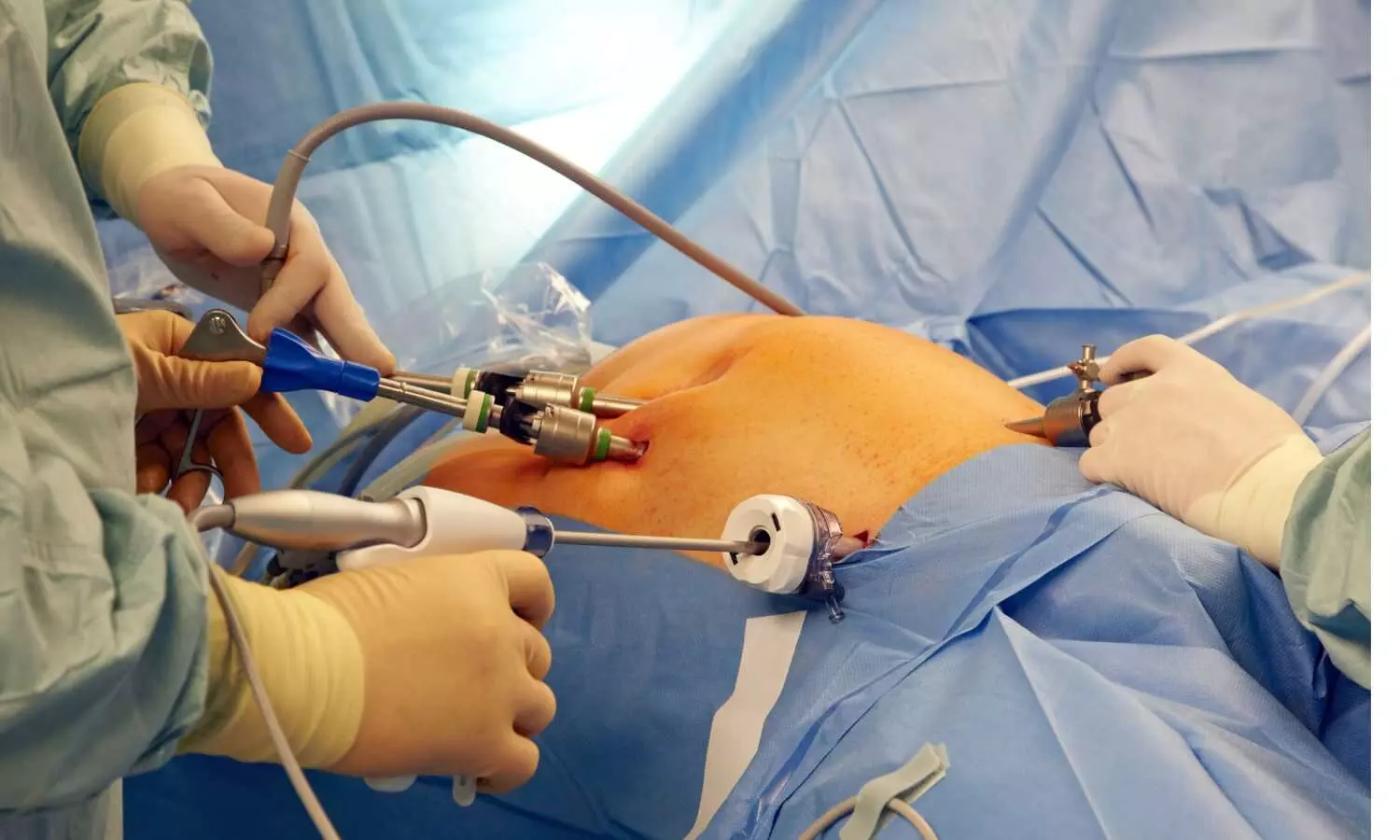


A new study published in the journal of BMC Medicine showed that bariatric surgery was linked to higher long-term chances of experiencing depression and anxiety in comparison to behavioral weight-management approaches.
Bariatric surgery is a successful remedy for extreme obesity and its associated physical issues, but its lasting influence on mental well-being is not well understood. There is limited proof regarding the dangers of depression and anxiety post-surgery. Hence, this research examined the enduring consequences of bariatric surgery on mental health.
In a study using data from the UK Clinical Practice Research Datalink (CPRD) Aurum spanning from January 1, 2000, to January 31, 2022, researchers conducted a matched cohort study on the population. The study included adults 18 years and older with severe obesity (body mass index [BMI] ≥ 35 kg/m²) who had no prior diagnosis of depression or anxiety.
A total of 7,814 patients who had bariatric surgery (such as gastric bypass, sleeve gastrectomy, or gastric banding) were matched (1:5) with 36,941 patients undergoing behavioral weight management, based on age, sex, BMI, and index year. Incidences of depression and anxiety were identified from diagnostic, referral, or prescription records. Hazard ratios (HRs) and 95% confidence intervals (CIs) were estimated using multivariable Cox proportional hazards models, adjusting for various demographic, clinical, and socioeconomic factors.
In this research, 44,755 individuals were involved, and they were followed up for a median of 4.8 years (with an interquartile range of 2.3–8.8 years). Over a period of 15 years, 23.1% of participants who underwent surgery and 17.4% in the control group experienced depression, while 9.0% versus 7.1% developed anxiety, respectively.
After adjusting for all variables, undergoing bariatric surgery was linked to a higher risk of developing new cases of depression (HR, 1.36 [95% CI, 1.28–1.45]) and anxiety (HR, 1.31 [95% CI, 1.19–1.44]). Subgroup analysis revealed that bariatric surgery was connected to an increased risk of depression regardless of BMI categories and for both depression and anxiety across different types of procedures. There was no indication of any impact based on age or gender. The results remained consistent in sensitivity tests.
Overall, this study revealed that bariatric surgery was linked to elevated long-term probabilities of experiencing depression and anxiety in contrast to behavioral weight management. These results underscore the importance of continuous evaluation of psychological well-being during extended monitoring following bariatric surgery.
Reference:
Yang, X., Dong, X., Jebb, S. A., Aveyard, P., & Gao, M. (2026). Long-term risk of clinical depression and anxiety after bariatric surgery: a population-based matched cohort study. BMC Medicine. https://doi.org/10.1186/s12916-026-04922-9