
Bariatric Surgery Linked to 19 Percent Lower Risk of Obesity-Related Cancers: JAMA Surgery
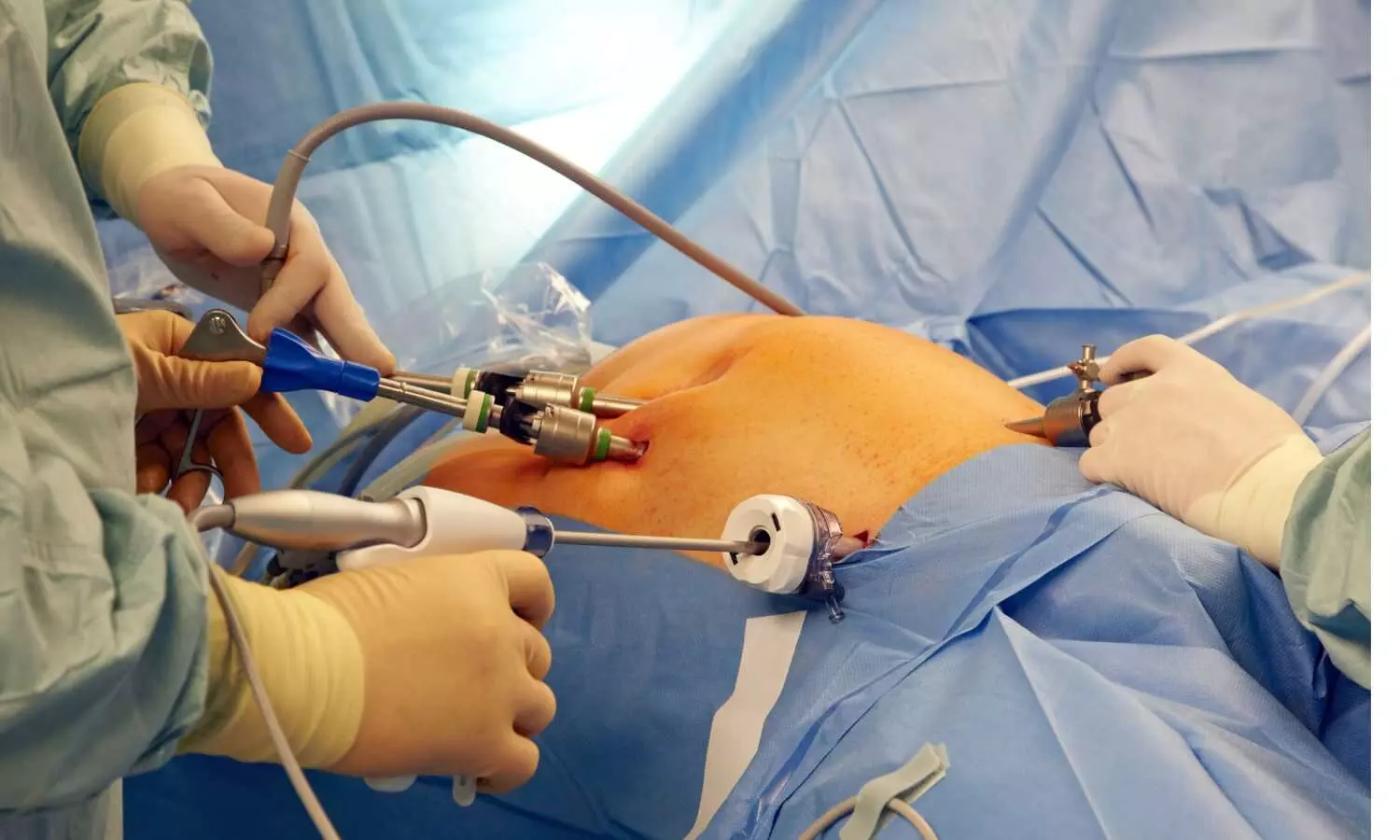


Sweden: Bariatric surgery is associated with a significantly lower long-term risk of obesity-related cancers, with similar benefits observed across age groups and between women and men, a large population-based cohort study published in JAMA Surgery has found. However, the analysis also found an increased risk of pancreatic cancer following surgery, particularly among younger adults.
The study was led by Cecilia Radkiewicz from the Upper Gastrointestinal Surgery Unit, Department of Molecular Medicine and Surgery, Karolinska Institutet and Karolinska University Hospital, Stockholm, Sweden, and colleagues.
Obesity is an established risk factor for several malignancies, including cancers of the breast, endometrium, liver and colon. Although bariatric surgery is associated with improvements in obesity-related health outcomes, evidence regarding its long-term cancer-related benefits across different age groups and sexes remains limited.
To investigate this association, researchers conducted a population-based cohort study using data from the Nordic Obesity Surgery Cohort (NordOSCo). The study included 784,105 individuals aged 18 to 59 years with obesity in Denmark, Finland and Sweden between 1992 and 2023. Of these, 99,614 underwent bariatric surgery, while the remaining participants did not undergo the procedure.
Using national health registries, the researchers compared the incidence of obesity-related cancers, including breast, endometrial, ovarian, esophageal adenocarcinoma, liver, pancreatic, colorectal, and kidney cancers, as well as multiple myeloma. They also examined whether the associations differed according to age and sex.
The study findings revealed the following:
- Lower overall cancer risk: Bariatric surgery was associated with a 19% lower risk of obesity-related cancers compared with no surgery (adjusted incidence rate ratio [aIRR], 0.81).
- Consistent benefits across age groups: Cancer risk reductions were similar among adults aged 18–39 years (aIRR, 0.80) and those aged 40–59 years (aIRR, 0.81), with no significant difference between the groups.
- Similar associations by sex: The relationship between surgery and non-sex-specific obesity-related cancers was comparable in men and women.
- Largest reductions in selected cancers: The strongest associations were observed for liver cancer, with a 51% lower risk; endometrial cancer, with a 49% lower risk; and ovarian cancer, with a 27% lower risk.
- Increased pancreatic cancer risk: Pancreatic cancer risk was higher following surgery, particularly among younger adults, in whom the adjusted incidence rate ratio was 2.21.
The researchers noted that the findings suggest the long-term cancer-related benefits associated with bariatric surgery extend across different age groups and sexes. However, the increased pancreatic cancer risk warrants further investigation, particularly among younger patients.
As an observational study, the analysis establishes associations rather than causation. Further research is needed to clarify the mechanisms underlying the differing cancer outcomes and determine the factors contributing to the increased pancreatic cancer risk.
The study concluded that bariatric surgery was associated with a lower long-term risk of obesity-related cancers across age groups and sexes, supporting consideration of its potential oncological benefits when evaluating treatment options for patients with obesity.
Reference:
Radkiewicz C, Santoni G, Kauppila JH, et al. Bariatric Surgery and Risk of Obesity-Related Cancer by Age and Sex. JAMA Surg. Published online October 14, 2026. doi:10.1001/jamasurg.2026.4798

Next Story