Beta-Blockers Fall Short in Preventing POAF in Aortic Surgery, Study suggests
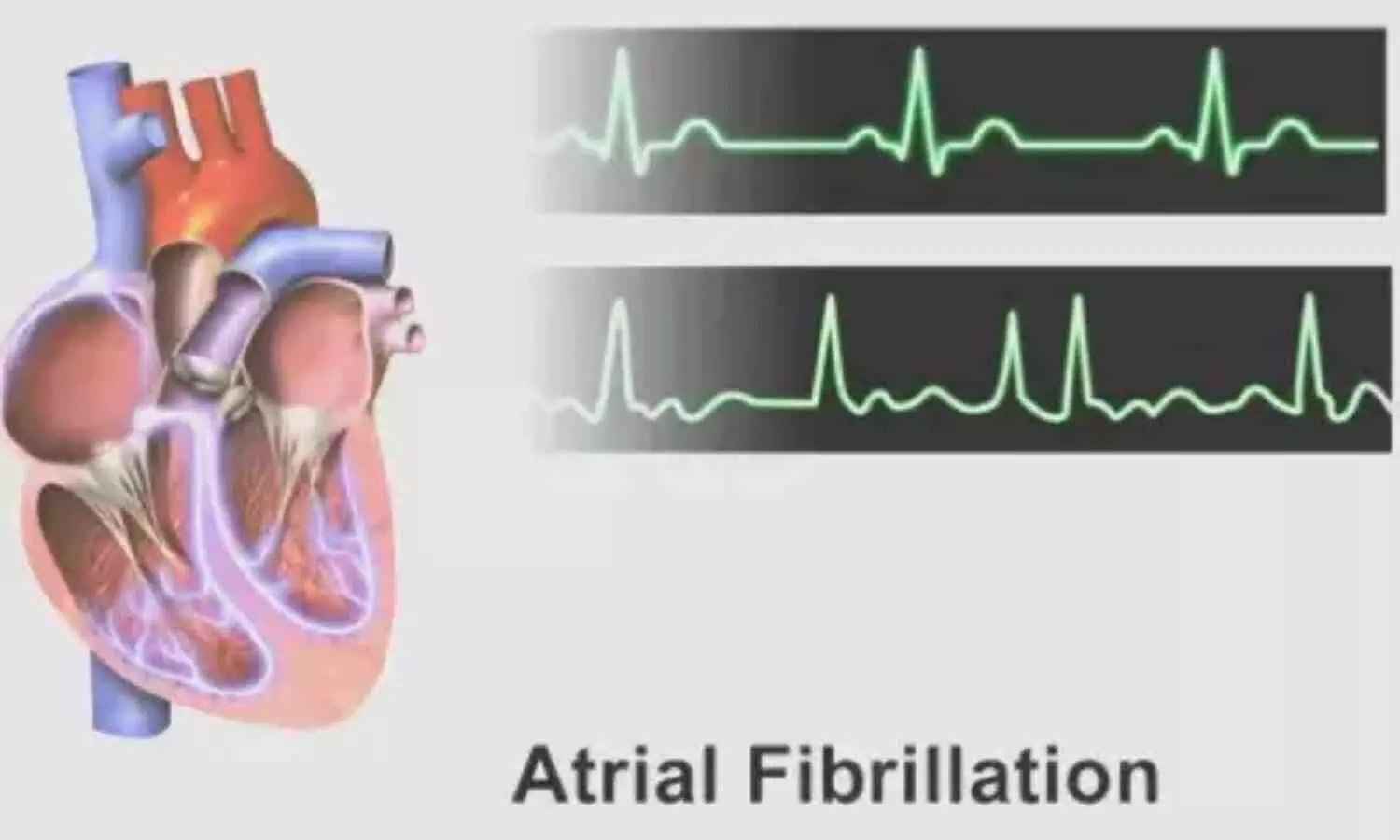


Could continuing beta-blockers before elective aortic surgery really prevent postoperative atrial fibrillation (POAF), or do we need to rethink our strategies? For clinicians managing high-risk cardiac patients, this new study offers fresh insights into an old debate.
Study Design at a Glance
This single-center, retrospective observational study analyzed 214 adult patients who underwent elective ascending aortic aneurysm repair between 2012 and 2021. Patients with a history of atrial fibrillation (AF) or aortic dissection were excluded to ensure a well-defined cohort. Data collected included demographics, cardiac risk (EuroSCORE II), preoperative beta-blocker use, and key postoperative outcomes.
Key Findings: Beta-Blockers and POAF
Nearly half (46%) of patients developed POAF during their hospital stay.
Chronic preoperative beta-blocker therapy showed no statistically significant reduction in POAF risk (P = 0.058).
The use of beta-blockers was continued up to and after surgery, following a standardized protocol, with adjustments based on hemodynamic status.
Clinical Outcomes Beyond Arrhythmia
POAF was significantly associated with postoperative stroke (P = 0.026), highlighting the arrhythmia’s serious implications.
No significant link was found between POAF and acute kidney injury, renal replacement therapy, reintubation, or in-hospital mortality.
Conventional risk factors like age and EuroSCORE II did not reliably predict POAF in this cohort, suggesting the need for more nuanced risk assessment in aortic surgery populations.
Why These Results Matter for Your Practice
Beta-blockers are a staple in cardiac anesthesia and perioperative management, especially for CABG and valve surgery. However, this study underscores that POAF after ascending aortic surgery may be driven by complex, procedure-specific mechanisms—including extensive surgical trauma and systemic inflammation—that beta-blockade alone cannot fully address.
For clinicians, this means:
Relying solely on chronic beta-blocker therapy may not suffice for POAF prevention in elective aortic procedures.
Enhanced perioperative monitoring, electrolyte management, and individualized care plans may be needed.
Study Limitations and Future Directions
The retrospective, single-center design limits the ability to draw causal conclusions.
Small numbers of some adverse events mean findings should be seen as hypothesis-generating.
The study highlights a pressing need for future prospective research and development of procedure-specific POAF prevention strategies.
Conclusion
Chronic preoperative beta-blocker therapy did not significantly reduce the incidence of POAF after elective ascending aortic surgery. POAF risk in this setting seems driven by multifactorial, procedure-specific mechanisms. Clinicians should consider a broader, individualized approach to arrhythmia prevention for these patients.
Key Points
Chronic preoperative beta-blocker therapy did not significantly lower POAF rates in elective ascending aortic surgery.
POAF was strongly linked to postoperative stroke but not to other major complications.
Standard risk scores like EuroSCORE II did not reliably predict POAF in this cohort.
Beta-blockers remain valuable for other indications but may not suffice for POAF prevention here.
Individualized perioperative management is essential for reducing POAF and its complications in aortic surgery.
Citation:
Ampatzidou F, Ioannidis R, Nastou M, Dalampini E, Asteri T, Drossos G, et al. Chronic preoperative b‑blocker therapy and postoperative atrial fibrillation after elective ascending aortic surgery. Ann Card Anaesth 2026;29:372-7. DOI: 10.4103/aca.aca_41_26