
Duodenal–Jejunal Bypass Liners Improve Diabetes Control but Raise Safety Concerns, Suggests Research
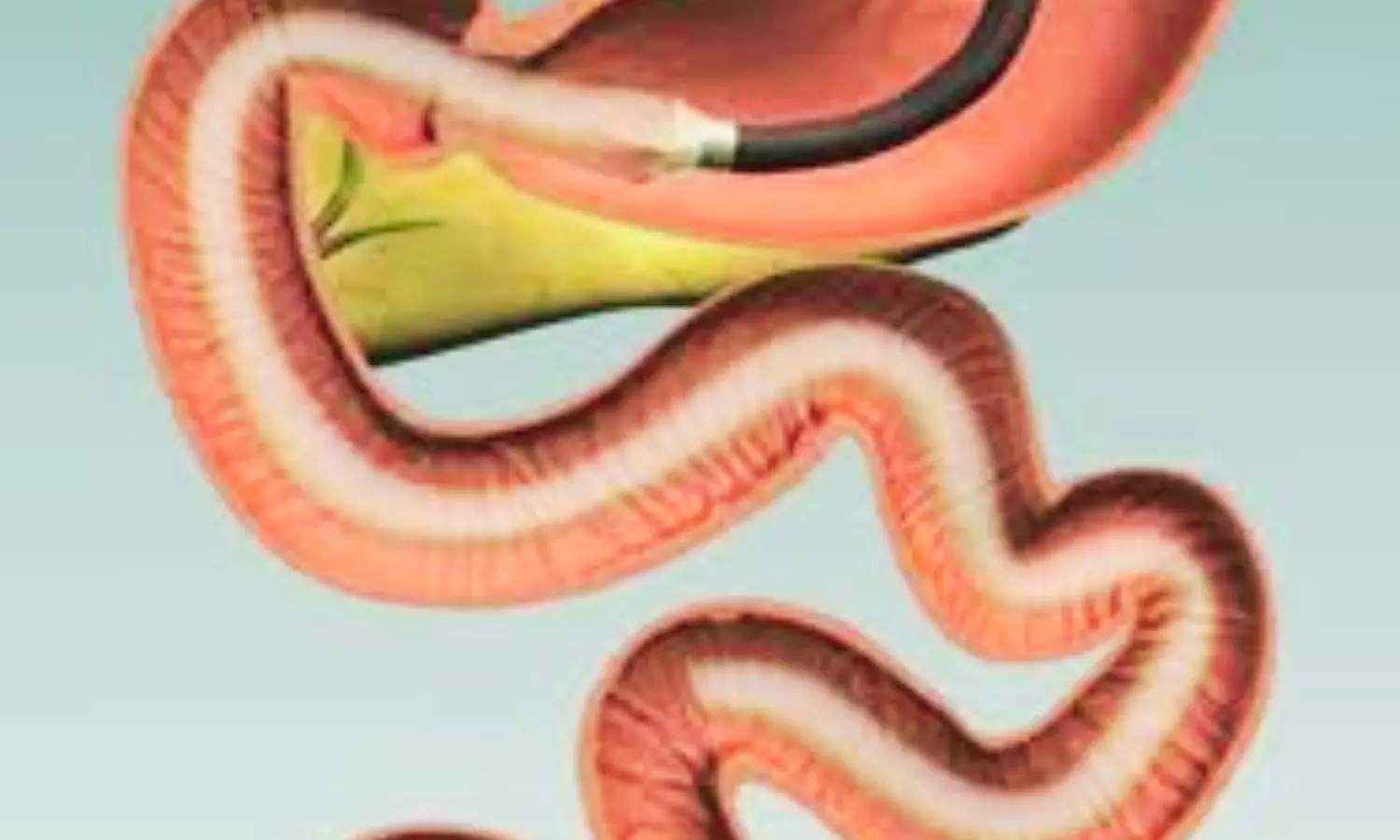


USA: It has been found in a recent study that duodenal–jejunal bypass liners were more effective than sham treatment in reducing HbA1c and promoting weight loss in patients with uncontrolled type 2 diabetes. However, despite these benefits, the devices raised significant safety concerns, including a high incidence of hepatic abscesses, limiting their clinical applicability.
The findings come from the ENDO Trial, a multicenter, double-blind, randomized, sham-controlled study published in Annals of Surgery by Christopher C. Thompson from the Division of Gastroenterology, Hepatology and Endoscopy at Brigham and Women's Hospital, Boston, and colleagues.
Type 2 diabetes and obesity often coexist, increasing the risk of cardiovascular and other metabolic complications. The duodenal–jejunal bypass liner (DJBL), an endoscopically placed device, has emerged as a minimally invasive alternative to metabolic surgery for improving glycemic control.
To assess its efficacy and safety, researchers conducted a multicenter, double-blind, randomized, sham-controlled trial involving 320 adults with uncontrolled type 2 diabetes and obesity. Participants received either the DJBL device (212 patients) or a sham procedure (108 patients), along with standard medical therapy and lifestyle modification. The primary outcomes were changes in HbA1c at 12 months and device-related serious adverse events, while secondary outcomes included total weight loss and achievement of HbA1c ≤7% and at least 5% total weight loss.
Key findings from the study include:
- The trial enrolled 320 patients, with 212 assigned to the DJBL group and 108 to the sham group.
- At baseline, the average HbA1c was 8.79%, while the mean body mass index (BMI) was 38.45 kg/m².
- At 12 months, the DJBL group experienced a significantly greater reduction in HbA1c than the sham group (−1.10% vs. −0.28%).
- Patients treated with the DJBL achieved significantly greater total weight loss compared with the sham group (7.7% vs. 2.1%).
- A higher proportion of patients in the DJBL group achieved HbA1c ≤7% (28.3% vs. 9.4%) and at least 5% total weight loss (60.4% vs. 21.3%).
- Device-related serious adverse events occurred in 9.4% of patients receiving the DJBL, including device intolerance (3.7%), hemorrhage (2.8%), and hepatic abscess (2.3%), the latter leading to early termination of the study.
The findings show that the duodenal–jejunal bypass liner (DJBL) significantly improved glycemic control and promoted greater weight loss than sham treatment, enabling more patients to achieve recommended HbA1c and weight-loss targets.
However, the authors highlighted notable safety concerns, particularly the risk of hepatic abscesses, which may limit the device's routine clinical use.
The researchers concluded that while the DJBL is effective in improving glycemic control, weight loss, and obesity-related comorbidities in patients with poorly controlled type 2 diabetes, further efforts to enhance its safety are needed before broader clinical adoption.
Reference:
Thompson CC, Jirapinyo P, McCarty TR, Brethauer S, Shaheen N, Sullivan SA, Koch T, Abu Dayyeh BK, Wilson EB, Schulman AR, Butsch WS, Gersin KS, Apovian CM, Schauer P. A Multicenter Double-blind Randomized Sham-controlled Trial Assessing the EndoBarrier Duodenal-jejunal Bypass Liner for the Treatment of Poorly Controlled Type 2 Diabetes Mellitus With Concomitant Obesity: The ENDO Trial. Ann Surg. 2026 Jul 1;284(1):34-42. doi: 10.1097/SLA.0000000000006974. Epub 2025 Nov 7. PMID: 41199626.

Next Story