Gastrectomy Triggers Reflux in 25 Percent of Healthy Patients, Suggests Study
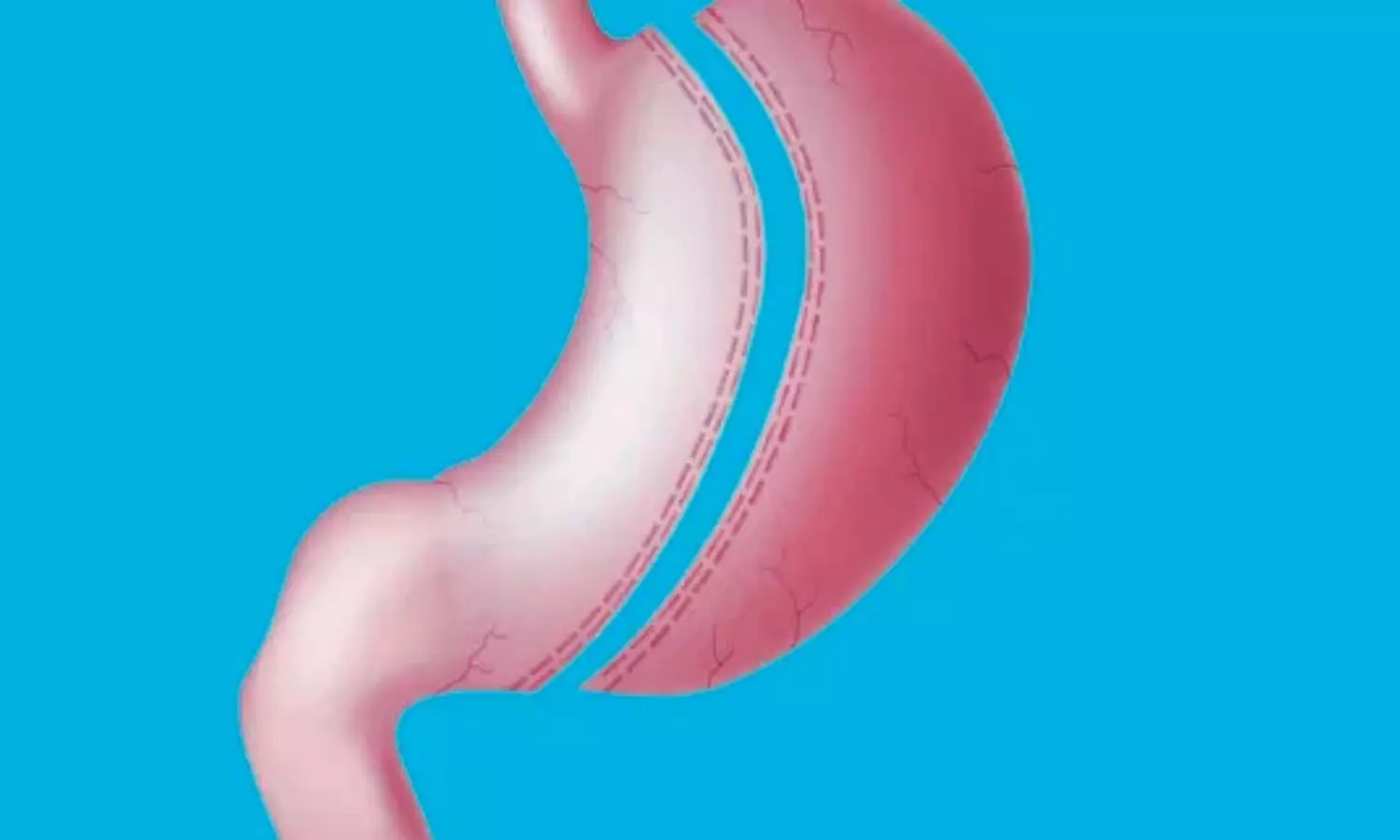


A recent bariatric pilot study published in the Indian Journal of Surgery in August 2026 reveals that laparoscopic sleeve gastrectomy (LSG) triggers brand-new pathological acid reflux in 25% of previously healthy patients. Although overall cohort-level reflux scores remained stable, this common weight-loss procedure caused silent gastrointestinal complications for a quarter of the study group.
Although LSG is a premier bariatric intervention, its impact on gastroesophageal reflux disease (GERD) is highly debated because previous studies have predominantly relied on subjective, symptom-based evaluations rather than objective physiological metrics. To address this critical clinical gap and the scarcity of objective reflux monitoring data within Indian populations, lead author Tanvi Vijay and colleagues from a tertiary center in New Delhi aimed to objectively assess gastroesophageal reflux parameters before and after surgery using gold-standard 24-hour multichannel intraluminal impedance-pH (MII-pH) monitoring.
Therefore, the bariatric pilot study evaluated 28 patients undergoing laparoscopic sleeve gastrectomy over a three-month follow-up using pre- and post-operative endoscopies and 24-hour impedance-pH monitoring. Resected stomach specimens were also screened for Helicobacter pylori using Giemsa staining and polymerase chain reaction (PCR) testing.
Key Clinical Findings of the Study Includes:
- Significant Weight Reduction: Body mass index (BMI) in the cohort decreased substantially from a mean of 40.95 (standard deviation [SD] 4.47) to 29.45 (SD 3.74) kg/m² three months after the procedure (p < 0.001).
- Reduced Non-Acidic Reflux: Non-acidic reflux episodes demonstrated a statistically significant decline, dropping from a pre-surgical median of 4 to a postoperative median of 1 (p = 0.034).
- Stable Cohort-Level Reflux: No statistically significant alterations were observed at the group level for DeMeester scores (p = 0.582), acidic reflux episodes (p = 0.461), or total gastroesophageal reflux episodes (p = 0.093).
- De Novo Pathological Acid Exposure: Postoperatively, 25.0% of patients with a normal preoperative DeMeester score developed de novo pathological reflux (95% confidence interval [CI] 5.5%–57.2%).
- New-Onset Mucosal Injury: De novo oesophagitis was objectively documented in 21.4% of patients who initially presented with a normal baseline endoscopy (95% CI 4.7%–50.8%).
The results suggest that LSG is associated with de novo pathological reflux and oesophagitis in previously normal subsets of patients, as shown by a 25.0% incidence of new-onset pathological acid exposure and a 21.4% rate of new-onset mucosal inflammation. This occurrence is observed despite the absence of any statistically significant cohort-level changes in overall DeMeester scores or total reflux episodes.
These findings indicate that bariatric clinicians should maintain a high index of suspicion and consider using objective physiological testing rather than symptom-based assessments alone to detect silent de novo reflux in patients after sleeve gastrectomy.
While the exploratory pilot study is limited by its small sample size of thirty patients, short-term three-month follow-up, and low Helicobacter pylori detection rates, it underscores the need for larger, multi-center trials with extended longitudinal follow-up to more comprehensively define the long-term impact of LSG on reflux pathophysiology.
Reference
Vijay, T., Andley, M., Saurabh, G., Shukla, S., & Kaur, R. (2026). Objective Assessment of Gastroesophageal Reflux Before and After Laparoscopic Sleeve Gastrectomy Using 24-Hour Multichannel Intraluminal Impedance-pH Monitoring. Indian Journal of Surgery. Published online August 31, 2026.