Liposomal Bupivacaine Delivers Superior, Long-Lasting Pain Relief After Bariatric Surgery, study shows
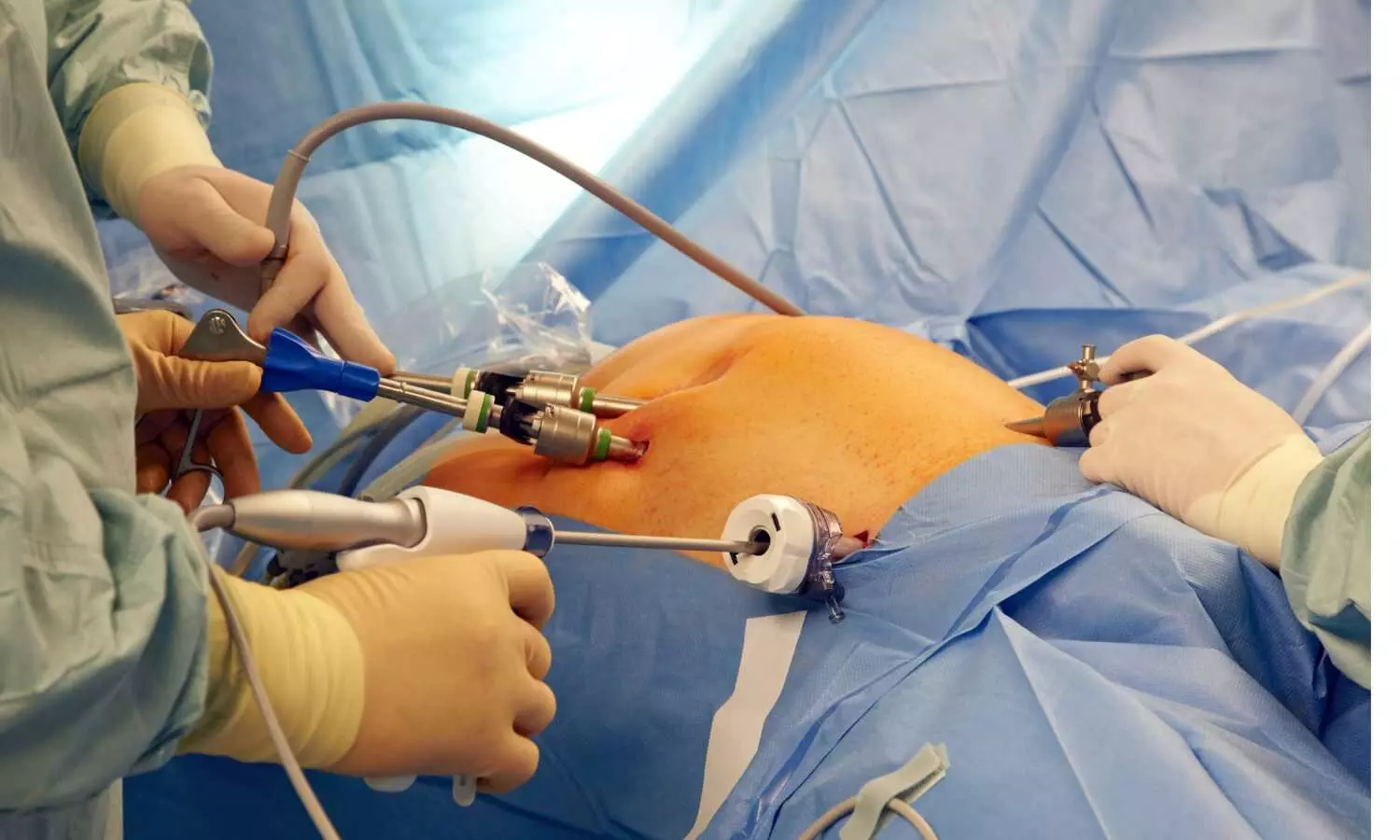


How can we extend pain control and minimize opioids after laparoscopic sleeve gastrectomy? A new randomized controlled trial in the European Journal of Medical Research suggests that bupivacaine liposome injectable suspension (BLIS) may be the answer.
Study Design: Direct Comparison in Enhanced Recovery Setting
Sixty adults undergoing elective laparoscopic sleeve gastrectomy (LSG) were randomized to receive a transversus abdominis plane block (TAPB) with either liposomal bupivacaine (BLIS) or ropivacaine. All patients participated in a standardized enhanced recovery after surgery (ERAS) protocol including patient-controlled analgesia (PCA) and multimodal analgesia. The primary outcome was pain scores over 72 hours; secondary outcomes included opioid and NSAID rescue use, motor function, sleep quality, and adverse events.
Key Results: Superior and Prolonged Analgesia With BLIS
Patients in the BLIS group reported lower pain scores from 4 to 72 hours postoperatively compared to those receiving ropivacaine. Notably, BLIS recipients had about 75% less need for rescue NSAIDs (6.7% vs. 30%) and required fewer PCA compressions, signaling less breakthrough pain and reduced analgesic demand. Both groups ambulated within 24 hours, and there were no significant differences in sleep quality, deep sleep percentages, or adverse event rates.
Clinical Implications: Opioid- and NSAID-Sparing Pain Control
For clinicians managing bariatric patients—especially those with obesity-related respiratory compromise or obstructive sleep apnea—BLIS offers a distinct advantage. By providing extended analgesia for up to 72 hours, BLIS reduces reliance on both opioids and NSAIDs, potentially enhancing safety and improving early postoperative comfort.
Limitations and Takeaways
While BLIS did not significantly alter functional recovery metrics (ambulation time, sleep patterns, or hospital stay), its effect on sustained pain relief and reduced medication needs is clinically meaningful. The benefit may be most apparent in settings with high-standardized ERAS protocols, where optimizing every element of postoperative care is a priority.
Conclusion
Liposomal bupivacaine for TAPB offers more consistent and prolonged pain control than ropivacaine after laparoscopic sleeve gastrectomy, significantly reducing the need for additional pain medications. For bariatric surgery teams aiming to enhance recovery and minimize opioid exposure, BLIS is a compelling addition to the multimodal analgesic toolkit.
Key Points
BLIS provided lower pain scores for 72 hours postoperatively versus ropivacaine in TAP block for LSG.
Patients receiving BLIS had 75% less need for rescue NSAIDs.
BLIS group required fewer patient-controlled analgesia compressions.
No significant differences in motor function, sleep quality, or adverse event rates.
BLIS is a promising opioid- and NSAID-sparing option for bariatric postoperative pain management.
Citation: He Y, Yin D, Wu Z. Comparison between bupivacaine liposome injectable suspension and ropivacaine as local anesthetics for transversus abdominis plane block in postoperative pain management after laparoscopic sleeve gastrectomy: a randomized controlled trial. European Journal of Medical Research. 2026;31:530. https://doi.org/10.1186/s40001-026-04153-x