Low Margin Vascular Density Predicts Postoperative Pancreatitis, Suggests Study
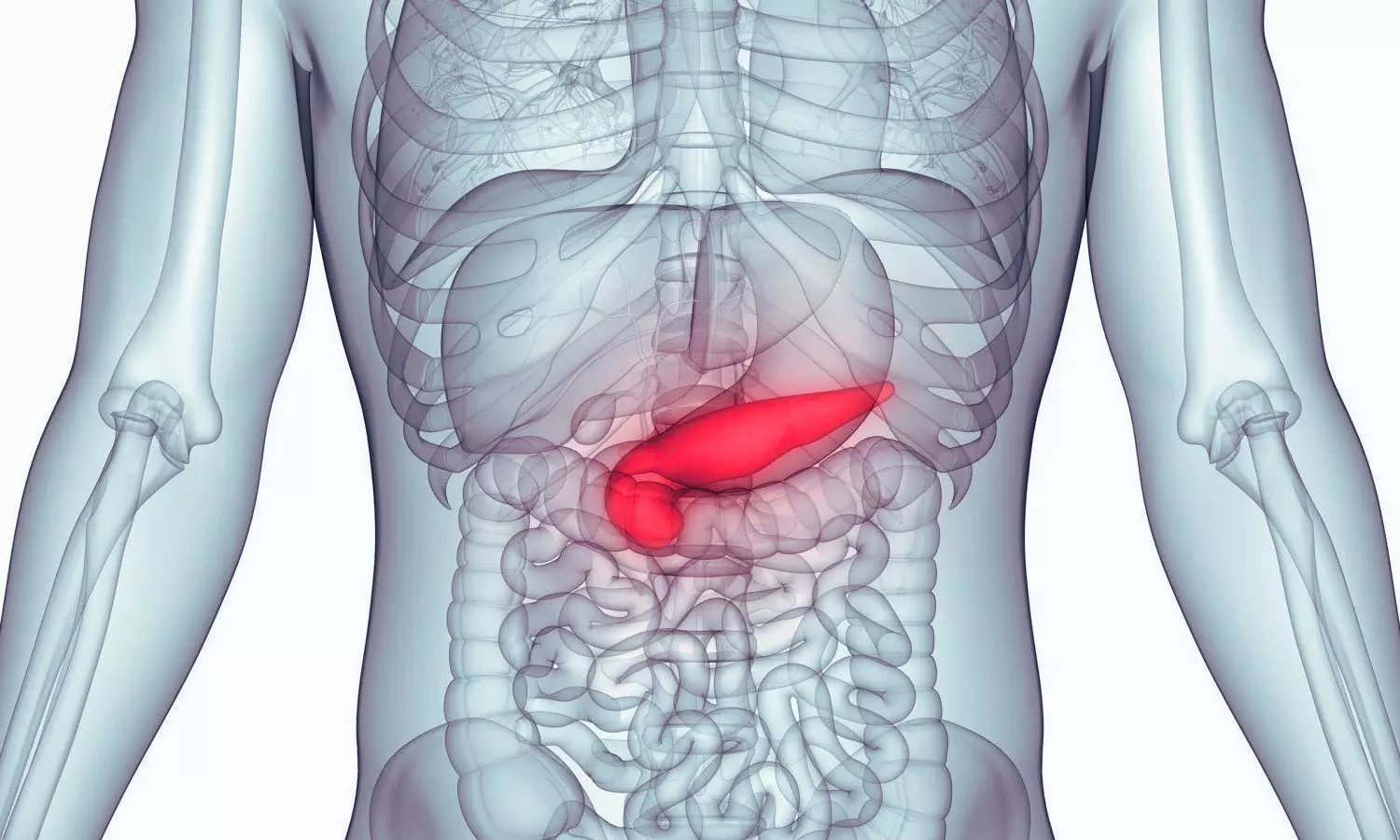


A recent cohort study published in the Indian Journal of Surgery in September 2026 reveals that having fewer than 26.5 microvessels per 20 high-power fields at the pancreatic resection margin independently predicts postoperative acute pancreatitis. This microscopic vascular shortage was linked to a postoperative pancreatitis rate of 54.5% among analyzed surgical patients.
This inflammatory condition is a relatively underexplored postoperative complication that may contribute to the subsequent development of postoperative pancreatic fistulas (POPF), which represent dangerous leaks of pancreatic fluid that can severely compromise patient recovery. To bridge this clinical gap, Venkatesh Balaraman Sundararajan and co-authors investigated the relationship between microscopic blood vessel density at the resection margin and the occurrence of POP, while also examining its correlation with POPF.
Therefore, the single-center study evaluated 33 consecutive patients (mean age 56, 20 men) undergoing pancreaticoduodenectomy between February 2018 and October 2019. Researchers compared surgical margin vascular density with early postoperative serum and drain amylase levels to assess pancreatitis and pancreatic fistula complications.
Key Clinical Findings of the Study Includes:
- High Pancreatitis Prevalence: POP occurred in 54.5% of the surgical patients, while CR-POPF developed in 24.2% of the cohort.
- Predictive Vascular Threshold: An independent predictor of POP was a reduced tissue vascular density score of less than 26.5 microvessels per 20 consecutive HPFs at 20× magnification (odds ratio [OR]: 0.63; p = 0.028).
- Pancreatitis-Fistula Link: Although CR-POPF occurred in a higher proportion of patients who experienced POP, the clinical association did not achieve statistical significance (p = 0.17).
- Intensive Care Requirements: Patients suffering from POP experienced elevated rates of intensive care unit (ICU) admission and CR-POPF compared to patients without POP, though these comparisons did not reach statistical significance.
The results suggest that a diminished vascular density at the surgical resection margin—specifically dropping below the 26.5 microvessel threshold—is significantly associated with POP, suggesting that local tissue ischaemia plays a critical role in triggering this inflammation. Furthermore, the elevated rates of CR-POPF in patients with POP point toward a potential pathophysiological role of early pancreatic inflammation in the formation of subsequent leaks.
Thus, the study concludes that clinicians may utilize microscopic vessel counts at the pancreatic resection margin to help anticipate POP risks and understand the development of subsequent postoperative complications.
Although the research is constrained by a small sample size of thirty-three patients and its single-center setting, these initial findings highlight the necessity of larger, prospective multi-center trials to validate the predictive utility of resection margin vascular density and further examine this underexplored condition.
Reference
Sundararajan, V. B., Kilambi, R., Bihari, C., Kumar, S., & Chattopadhyay, T. K. (2026). Low Vascular Density at the Pancreatic Resection Margin as a Predictor of Post-Operative Acute Pancreatitis After Pancreatoduodenectomy. Indian Journal of Surgery.