Low TAPSE/PASP Ratio Signals Higher Risk of Complications After Pediatric VSD Repair: Study
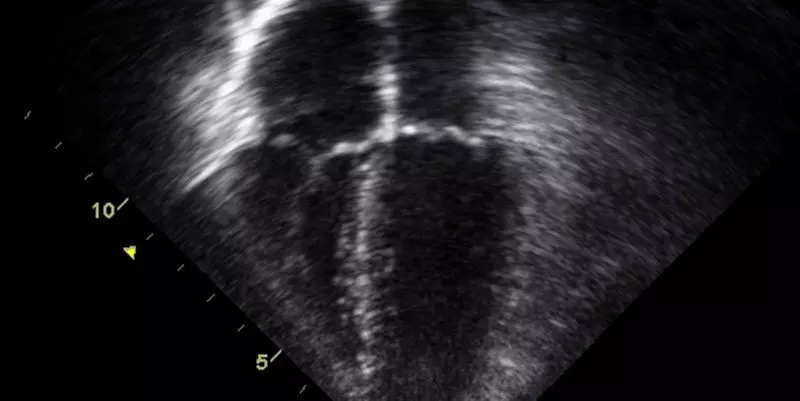


How can we best predict which children will struggle after ventricular septal defect (VSD) repair? As pediatric cardiac teams seek early markers of risk, a new case series in the Journal of Anaesthesiology Clinical Pharmacology highlights the emerging role of the TAPSE/PASP ratio—a simple, noninvasive echocardiographic metric of right ventricular–pulmonary arterial (RV-PA) coupling.
TAPSE/PASP: Moving Beyond Isolated RV Function
Right ventricular (RV) function is especially vulnerable to increases in pulmonary artery (PA) pressure—a challenge commonly encountered after VSD closure. Traditionally, tricuspid annular plane systolic excursion (TAPSE) measures RV systolic function, but integrating afterload by dividing TAPSE by PA systolic pressure (PASP) provides a more holistic assessment of RV-PA coupling. Recent adult data and European guidelines suggest a TAPSE/PASP <0.31 mm/mmHg may indicate RV-PA uncoupling and increased risk.
Study Design: Retrospective Analysis of Pediatric VSD Repairs
This retrospective series evaluated 10 children (ages 9–36 months) who had TAPSE/PASP <0.55 mm/mmHg immediately after cardiopulmonary bypass (CPB) for isolated VSD repair. Using TEE, patients were further stratified at a threshold of <0.31 mm/mmHg for RV-PA uncoupling. Researchers then tracked perioperative complications and early postoperative outcomes.
Key Findings: Low TAPSE/PASP Linked to Worse Outcomes
Six out of 10 children had post-CPB TAPSE/PASP <0.31 mm/mmHg.
Four of these six experienced intraoperative pulmonary hypertensive crises, and five developed postoperative low cardiac output syndrome (LCOS).
These patients required more inodilator support (higher vasoactive-inotropic scores), were more likely to develop acute kidney injury, and needed longer mechanical ventilation (mean 23 hours versus 9.5 hours in others).
No early deaths occurred, but morbidity was significantly elevated in the low TAPSE/PASP group.
Clinical Implications: A Pragmatic, Noninvasive Risk Tool
These findings support the use of TEE-derived TAPSE/PASP as a rapid, multiparametric measure to help identify high-risk pediatric patients immediately after VSD repair. Early recognition of RV-PA uncoupling could prompt aggressive hemodynamic optimization and closer monitoring, potentially improving outcomes. The authors note that while their sample is small and retrospective, the results align with emerging literature in both pediatric and adult populations.
Conclusion
This case series adds to the growing body of evidence suggesting that a low TAPSE/PASP ratio after pediatric VSD repair is an early warning sign for postoperative complications. Larger, prospective studies are needed, but for now, anesthesiologists and cardiac teams should consider incorporating TAPSE/PASP into routine post-bypass assessment.
KEY points
TAPSE/PASP <0.31 mm/mmHg after VSD repair is linked to higher risk of PH crisis, LCOS, and prolonged ventilation.
RV-PA uncoupling can be detected quickly and noninvasively by TEE in the OR.
Patients with low TAPSE/PASP needed more inotropic and ventilatory support.
No early deaths were observed, but morbidity was significantly higher in the low-ratio group.
The TAPSE/PASP ratio may help guide early risk stratification and targeted interventions after pediatric cardiac surgery.
Citation: Magoon R, Mital T, Kohli JK, Bathia R, Jain N. Transoesophageal echocardiography following ventricular septal defect repair: A retrospective case series on the upcoming role of right ventricular–pulmonary arterial uncoupling. Journal of Anaesthesiology Clinical Pharmacology. 2026;42(3):437-440. DOI: 10.4103/joacp.joacp_46_26