Lung Ultrasound-Guided Protocol Reduces Hypotension in Tuberculous Empyema Surgery, Suggests Study
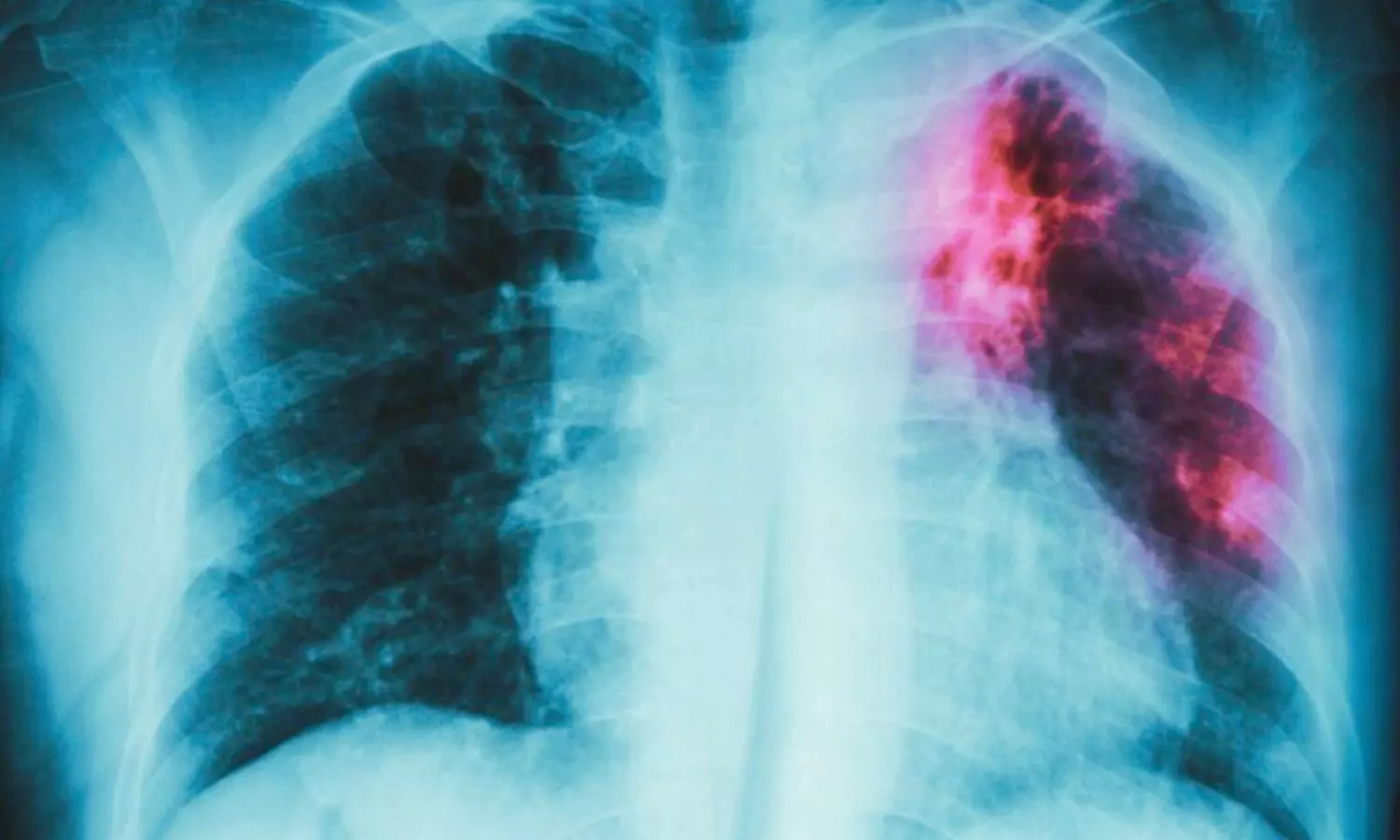


A recent study published in the Journal of Minimal Access Surgery in August 2026 reveals that combining real-time lung ultrasound with fluid restriction and proactive vasopressors slashes intraoperative hypotension from 50.00% to 27.50% during tuberculous empyema decortication. This target-driven protocol stabilizes hemodynamics while significantly accelerating patient recovery.
While decortication for tuberculous empyema poses severe perioperative hemodynamic challenges where static central venous pressure monitoring fails to reflect extravascular lung water shifts, previous research on lung ultrasound (LUS) fluid management remains restricted to small observational cohorts lacking systematic validation with prophylactic vasopressors. To address this clinical gap, Dan Wang, Tao Liu, and Wei Liu from the Department of Anesthesiology, Beijing Tuberculosis and Thoracic Tumor Research Institute, Beijing Chest Hospital, Capital Medical University, Beijing, China, evaluated whether an integrated protocol combining LUS-guided goal-directed fluid restriction with preemptive norepinephrine infusion optimizes intraoperative hemodynamics and early postoperative recovery.
Therefore, the retrospective study evaluated 80 propensity score-matched adults undergoing elective decortication for tuberculous empyema at Beijing Chest Hospital (January 2022–June 2025), comparing a proactive lung ultrasound-guided group (LGG, n = 40) with a conventional management group (CMG, n = 40). Excluding emergency cases and severe baseline instability, the trial assessed intraoperative hypotension as the primary endpoint, alongside fluid balance, vasopressor needs, recovery milestones, and postoperative complications.
Key Clinical Findings of the Study Includes:
- Superior Hemodynamic Protection: Research confirms LGG experienced a significantly lower intraoperative hypotension incidence (27.50% vs. 50.00%, P = 0.039) and cumulative duration (13.55 ± 6.72 vs. 32.15 ± 15.42 minutes, P < 0.001) than CMG, reducing hypotensive risk by 75.5% (adjusted odds ratio [OR] = 0.245, 95% confidence interval [CI]: 0.070–0.863, P = 0.029).
- Optimized Fluid and Vasopressor Use: The Study shows LGG achieved a lower net intraoperative fluid balance (715.38 ± 195.23 vs. 880.45 ± 302.64 mL, P = 0.005), reduced total norepinephrine requirement (24.85 ± 7.03 vs. 48.90 ± 17.33 µg/kg, P < 0.001), and fewer vasopressor interventions (3.08 ± 1.05 vs. 5.23 ± 1.98 times, P < 0.001).
- Accelerated Recovery: Investigation demonstrates LGG patients achieved earlier first postoperative ambulation (23.85 ± 6.10 vs. 30.43 ± 8.71 hours, P < 0.001) and shorter postoperative hospital stays (6.05 ± 1.62 vs. 8.38 ± 2.12 days, P < 0.001).
- Reduced Morbidity: Analysis reveals LGG had lower resting pain scores (NRS: 3.15 ± 0.98 vs. 3.73 ± 1.22, P = 0.022) and fewer pulmonary complications (12.50% vs. 32.50%, P = 0.032; adjusted OR = 3.713 for CMG, 95% CI: 1.008–13.685, P = 0.049).
- Independent Predictors: The Trial identified comorbid diabetes (OR = 22.354, P = 0.003) and the open thoracotomy approach (OR = 4.927, P = 0.015) as strong independent risk factors for intraoperative hypotension.
The results suggest that combining lung ultrasound-guided fluid restriction with prophylactic norepinephrine infusion enhances hemodynamic stability by reducing hypotension incidence to 27.50% (versus 50.00% in conventional care, P = 0.039) and limiting net fluid balance to 715.38 ± 195.23 mL (P = 0.005). Furthermore, this protocol accelerates recovery, decreasing pulmonary complications to 12.50% and shortening postoperative hospital stays to 6.05 ± 1.62 days (P < 0.001).
Adopting real-time lung ultrasound B-line scoring alongside proactive vasopressor administration offers clinicians an effective approach to prevent hemodynamic collapse and pulmonary complications during thoracic decortication, particularly in high-risk patients with diabetes or those undergoing open thoracotomy.
While the single-center retrospective study is limited by a modest sample size and focus on early outcomes, conducting future prospective, multicenter randomized controlled trials with larger cohorts will further substantiate these perioperative findings.
Reference
Wang D, Liu T, Liu W. Impact of lung ultrasound-guided fluid management and vasoactive medication use on anaesthetic outcomes in thoracic surgery for tuberculous empyema: A retrospective study. J Min Access Surg 2026.