New Evidence Challenges Widespread Use of HFNOT in High-Risk Cardiac Surgery Patients
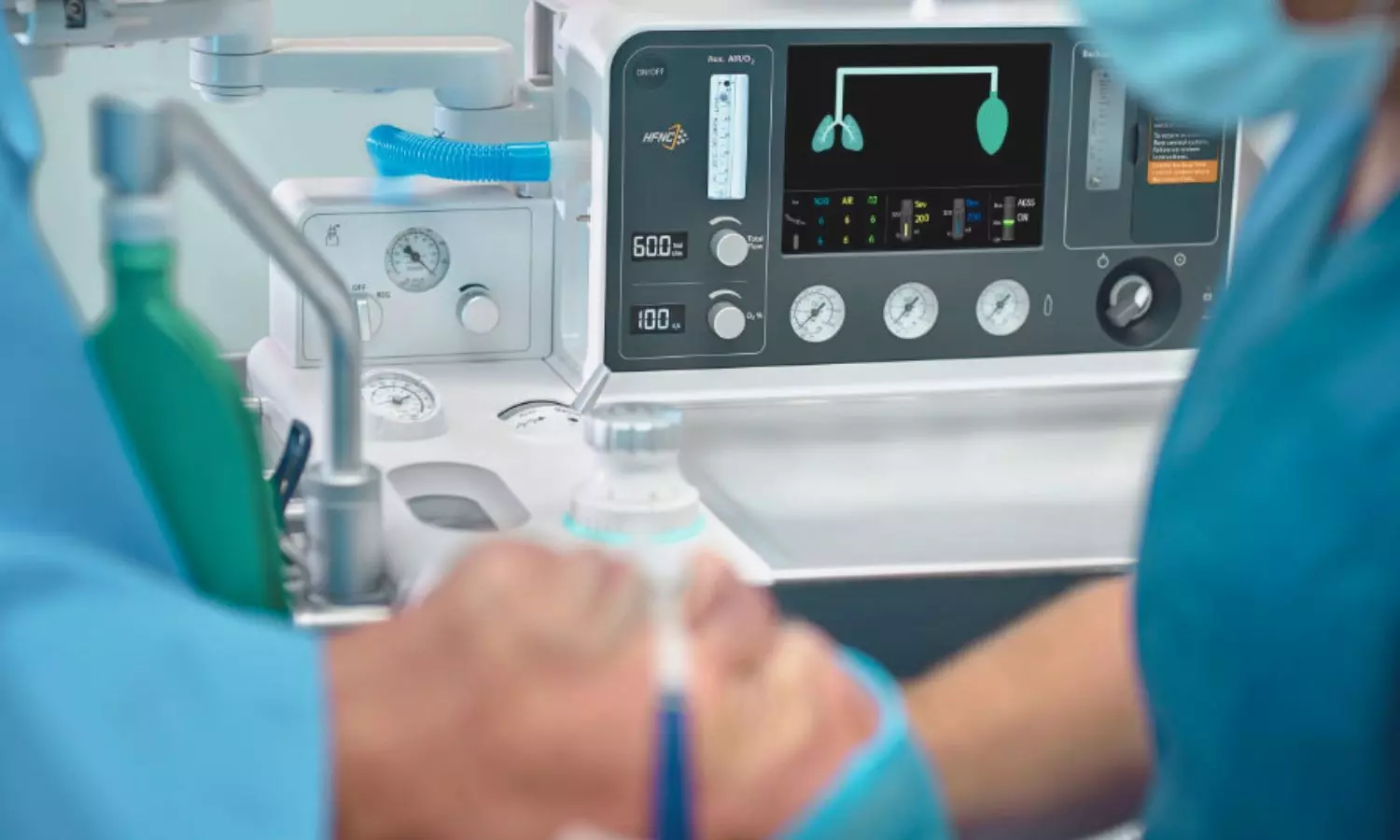
High Flow Nasal Cannula


Is more always better when it comes to post-cardiac surgery respiratory support? Many clinicians favor high-flow nasal oxygen therapy (HFNOT) for patients at risk of pulmonary complications, hoping it might reduce adverse events and speed recovery. However, a large new trial published in JAMA Network Open challenges this assumption.
Study Design: Large, Multinational, and Rigorous
The NOTACS trial was an adaptive, randomized clinical trial conducted across 17 cardiac surgery centers in the UK, Australia, and New Zealand between 2020 and 2024. Researchers enrolled 1,280 adult patients undergoing elective or urgent cardiac surgery who were at elevated risk for postoperative pulmonary complications due to factors like COPD, asthma, recent respiratory infection, obesity, or heavy smoking history.
Participants were randomized to receive either prophylactic HFNOT or standard oxygen therapy (SOT) for at least 16 hours immediately after extubation. Importantly, outcome assessors were blinded to reduce bias, and follow-up extended to 90 days post-surgery.
Primary and Secondary Outcomes Explained
The study’s primary endpoint was the number of days alive and at home without increased support (DAH90) in the first 90 days after surgery. This measure reflects a meaningful recovery—patients back in their usual residence, not requiring more help than before their operation. Any day with increased support (e.g., needing more assistance with daily activities) scored as zero.
Secondary outcomes included days alive and out of hospital, rates of ICU readmission, reintubation, and other major complications.
Key Findings: No Clinical Benefit from Routine HFNOT
Results were clear: HFNOT did not improve the primary outcome. Median DAH90 was 0 days in both groups (reflecting the many high-risk patients needing extra support or not alive at 90 days), with no statistically significant difference. Secondary outcomes—including hospital and ICU stay, readmission rates, and complications—were also similar between groups.
Rates for escalation of respiratory support, reintubation, and adverse events showed no meaningful differences, indicating no added clinical advantage to HFNOT over standard oxygen in this population.
Clinical Implications: Rethinking Routine HFNOT
For clinicians, these findings suggest that routine use of HFNOT after cardiac surgery in high-risk patients may not provide additional benefit over standard oxygen therapy. While HFNOT remains physiologically appealing and can improve comfort and oxygenation in select circumstances, its routine, prophylactic use does not translate to better patient-centered outcomes or resource savings.
The trial’s robust design and large sample size provide high-quality evidence to guide postoperative respiratory support strategies in cardiac surgical patients.
A Note on Limitations
The study was limited to nonemergent surgeries and a specific high-risk cohort; its conclusions may not apply to all cardiac surgery patients or emergency cases. Additionally, the nuanced DAH90 outcome, while patient-centered, is complex to measure and interpret.
Conclusion:
This landmark trial provides compelling evidence that routine prophylactic HFNOT does not improve recovery or reduce complications after cardiac surgery in high-risk patients. Clinicians can confidently continue standard oxygen therapy without concern for missing out on clinical benefits associated with HFNOT in this context.
Key Points
A large RCT found no clinical benefit for routine HFNOT compared to standard oxygen after cardiac surgery in high-risk patients.
Primary outcome (DAH90) and all major secondary outcomes were similar between groups.
Standard oxygen therapy remains sufficient for most high-risk cardiac surgery patients post-extubation.
Routine prophylactic HFNOT may not be justified given the lack of added benefit.
Findings support focusing on other strategies to reduce postoperative pulmonary complications.
Citation:
Litton E, Parke RL, McGuinness SP, et al. High-Flow Nasal Oxygen Therapy After Cardiac Surgery: A Randomized Clinical Trial. JAMA Network Open. 2026;9(4):e265447. doi:10.1001/jamanetworkopen.2026.5447