Prone Positioning Appears Safe for Cerebral Blood Flow During Spine Surgery, Study Finds


Why Cerebral Hemodynamics Matter in Spine Surgery
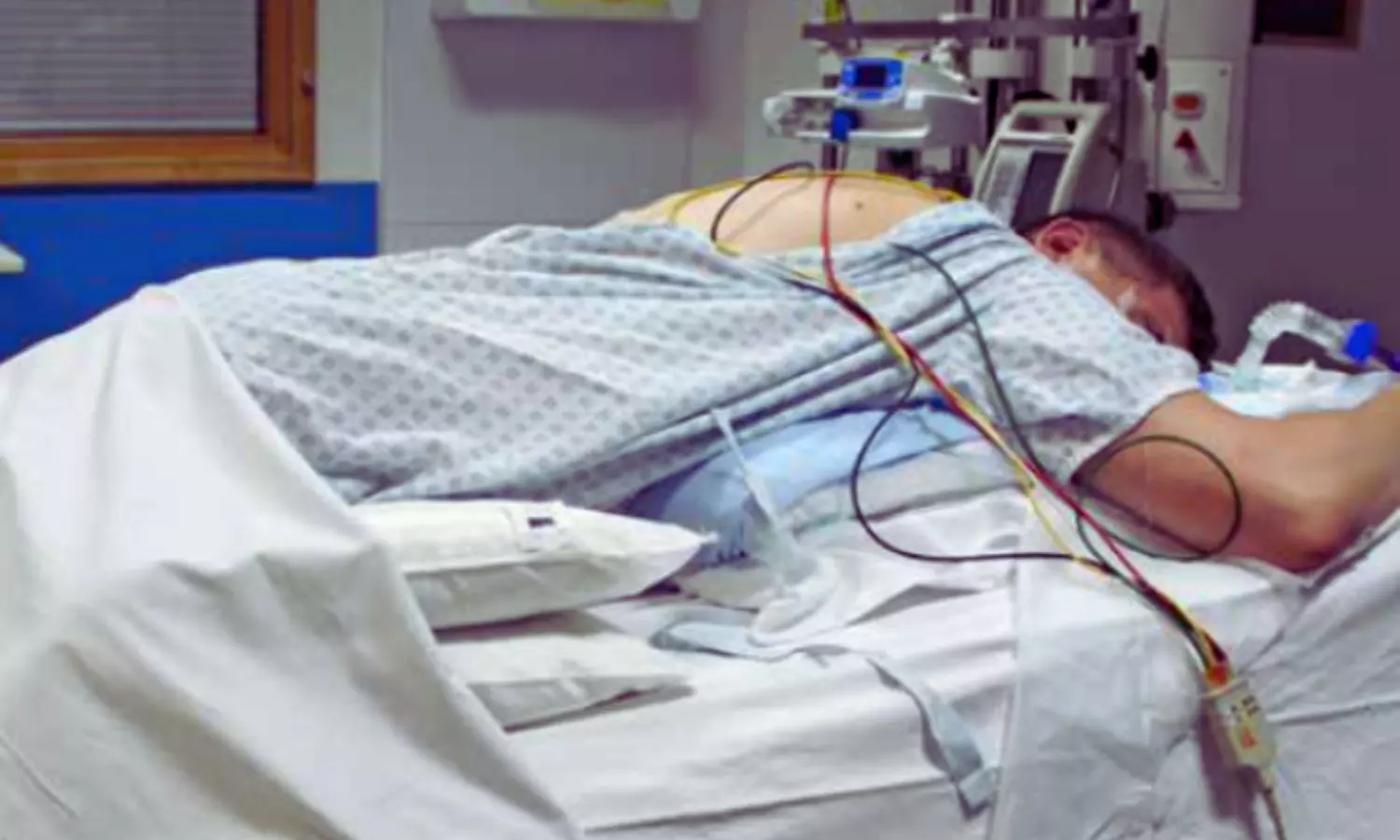
In spine surgeries, the prone (face-down) position is commonly used to give surgeons optimal access. However, this position, along with anesthesia and ventilation strategies, is thought to potentially affect cardiovascular and brain blood flow dynamics. Concerns especially arise about whether prone positioning might elevate intracranial pressure (ICP) or disturb cerebral perfusion, possibly resulting in neurological complications. A recent prospective observational study published in BMC Anesthesiology investigates this by using the non-invasive transcranial Doppler (TCD) technique to monitor cerebral hemodynamics during spine operations.
Study Design: Tracking Brain Blood Flow in Real Time
The research involved 33 adult patients (aged 18–65) undergoing thoracolumbar or lumbosacral spine surgeries under general anesthesia in the prone position. Baseline readings were taken in the supine (lying on back) position before and after anesthesia, then at multiple intervals (up to 60 minutes) after patients were turned prone. Key parameters recorded included heart rate, blood pressure, TCD measurements (peak systolic velocity, mean flow velocity, pulsatility index, and resistivity index), and a calculated non-invasive ICP (nICP).
Key Findings: Prone Position Does Not Significantly Alter Cerebral Hemodynamics
While the study did observe statistically significant decreases in heart rate and blood pressure during the prone position, these changes were not clinically significant (all within 20% of baseline). Importantly, the core cerebral hemodynamic parameters—peak systolic velocity, mean flow velocity, pulsatility index, resistivity index, and nICP—remained stable throughout all time points in the prone position.
This suggests that, for patients without significant comorbidities and with well-managed anesthesia and fluid balance, the prone position does not adversely impact cerebral blood flow or increase intracranial pressure.
What Sets This Study Apart?
The findings align with some previous research but differ from studies reporting mild increases in pulsatility index or ICP—differences that may be due to patient age or higher levels of positive end-expiratory pressure (PEEP) used elsewhere. This study’s younger average patient age and consistent use of physiological (modest) PEEP may explain the lack of significant hemodynamic shifts. Adequate fluid management, careful positioning, and maintaining normothermia and ventilation targets were critical to these results.
Limitations and Clinical Implications
The study’s main limitations include a modest sample size and exclusion of higher-risk (ASA 3–5) patients, so results may not extend to older or more medically complex populations. Nonetheless, the research suggests that with proper perioperative care, prone positioning for spine surgery is unlikely to compromise brain perfusion or pressure in most adult patients.
Key Takeaways:
Prone positioning during spine surgery did not alter key cerebral hemodynamic variables or non-invasive ICP.
Modest decreases in heart rate and blood pressure were observed but were not clinically significant.
Careful anesthesia, fluid, and ventilation management are essential for maintaining cerebral stability.
Findings support the safety of the prone position for most healthy adult patients undergoing spine surgery.
Further research is needed in older or higher-risk populations.
Citation:
Taj Y, Samagh N, Paliwal SU, Ganesh V, Dey A, Aggarwal V. Effect of prone position on cerebral hemodynamics and noninvasive intracranial pressure assessed using transcranial Doppler in patients undergoing spine surgeries: a prospective observational study. BMC Anesthesiology. 2025;25:242. https://doi.org/10.1186/s12871-025-03116-9