
Regular Sleep Schedules May Improve Surgical Safety and Reduce Burnout among surgeons: JAMA
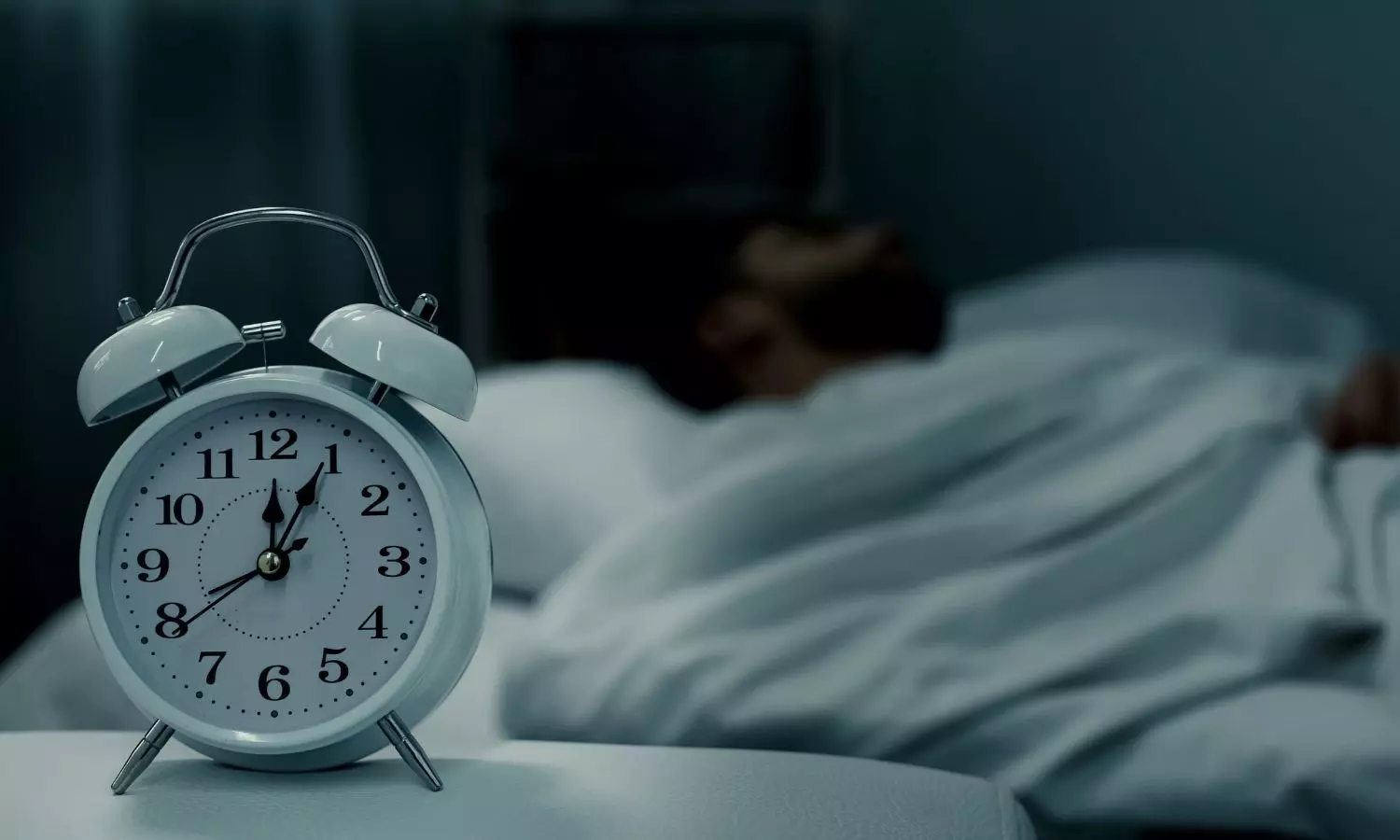


A new study published in the Journal of American Medical Association showed that major adverse events were more likely to occur in patients operated on by surgeons who had considerable social jet lag, which is defined as significant changes in sleep scheduling between workdays and leisure days.
Although sleep schedule regularity is becoming more widely acknowledged as a factor in cognitive function, its impact on surgeons' health and patient safety is yet unknown. Thus, this study assessed the relationship between significant adverse events in patients and the regularity of surgeons' sleep schedules.
This multicenter prospective cohort research was carried out in 14 surgical departments spanning 7 specialties at 4 university hospitals in France between November 1, 2020, and December 31, 2021. Patients under the age of eighteen, those undergoing palliative surgery, those with inadequate operating time stamps, and those operated on by surgeons with inaccurate sleep data were all omitted.
The analysis of study data was place between January and June of 2025. Actigraphy was used to continually monitor the surgeons' sleep. Midsleep time, or the midpoint between bedtime and wake-up time, was used to measure the regularity of sleep scheduling in the 30 days before to surgery. Midsleep time variability was defined as the standard deviation of daily midsleep times, and social jet lag (SJL) was defined as the absolute difference between midsleep times on free days and workdays.
A significant adverse event occurred in 1410 (19.8%) of the 7117 procedures carried out by 38 attending surgeons (mean [SD] age at study start, 46.1 [8.5] years; 30 male [79%]).
When compared to less than one hour (adjusted relative risk [RR], 1.36; 95% CI, 1.04-1.69) and one to two hours (RR, 1.45; 95% CI, 1.12-1.81), SJL of two or more hours (342 procedures [4.8%]; 7 surgeons) was linked to a higher risk of significant adverse outcomes.
Unfavorable outcomes were not linked to midsleep time variations of 60 minutes or more (864 procedures [12.1%]; 20 surgeons). In comparison to surgeons without burnout, those with burnout exhibited greater median [IQR] social jet lag (75 [47-94] vs. 52 [38-61] minutes; P =.04) and midsleep time variability.
Overall, these results show that regular sleep schedules, especially on days off, may be a controllable factor linked to surgeon burnout and patient safety. Promoting circadian-aligned behaviors and more regular sleep cycles at the individual and institutional levels may provide a practical chance to improve surgeon professional well-being and patient outcomes
Reference:
Pascal, L., Polazzi, S., Skinner, S. C., Lifante, J.-C., Mazza, S., Duclos, A., & TopSurgeons Study Group. (2026). Surgeon social jet lag and patient risk of major adverse events. JAMA Surgery. https://doi.org/10.1001/jamasurg.2026.1796

